

Intro — why this framework matters
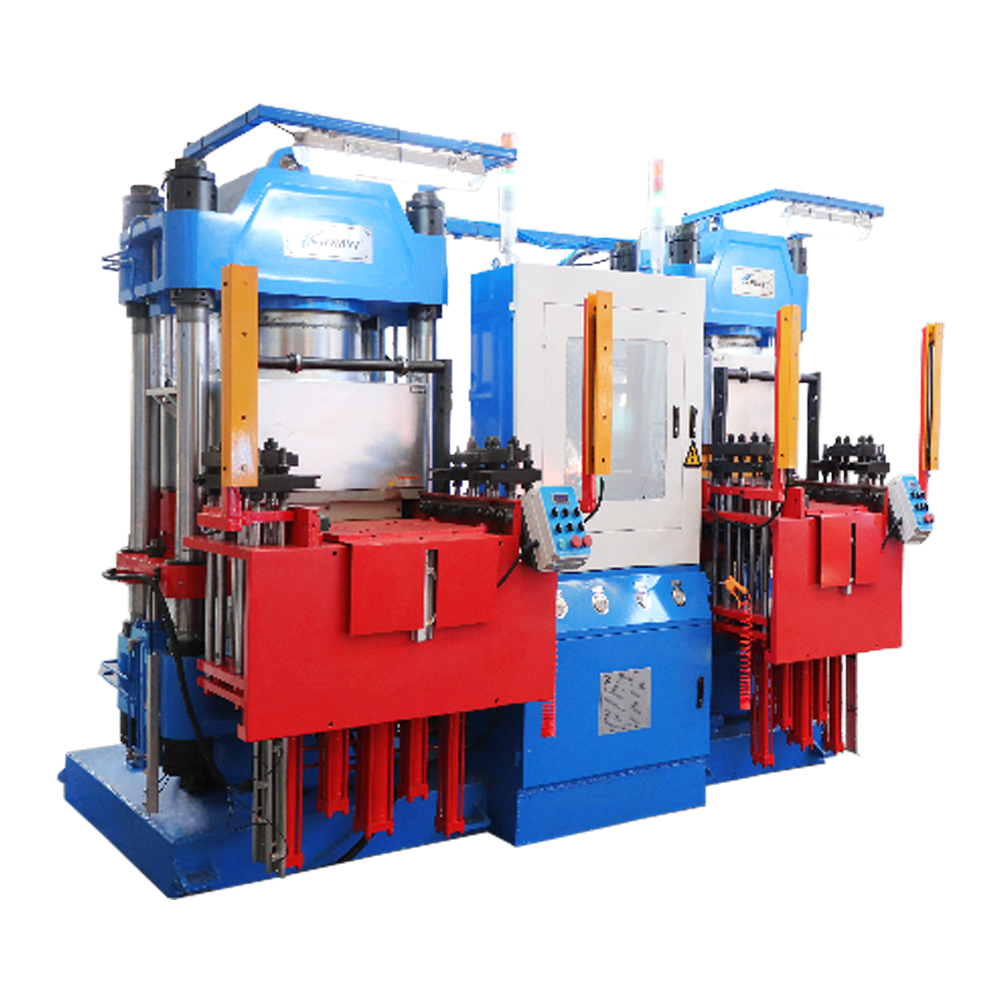
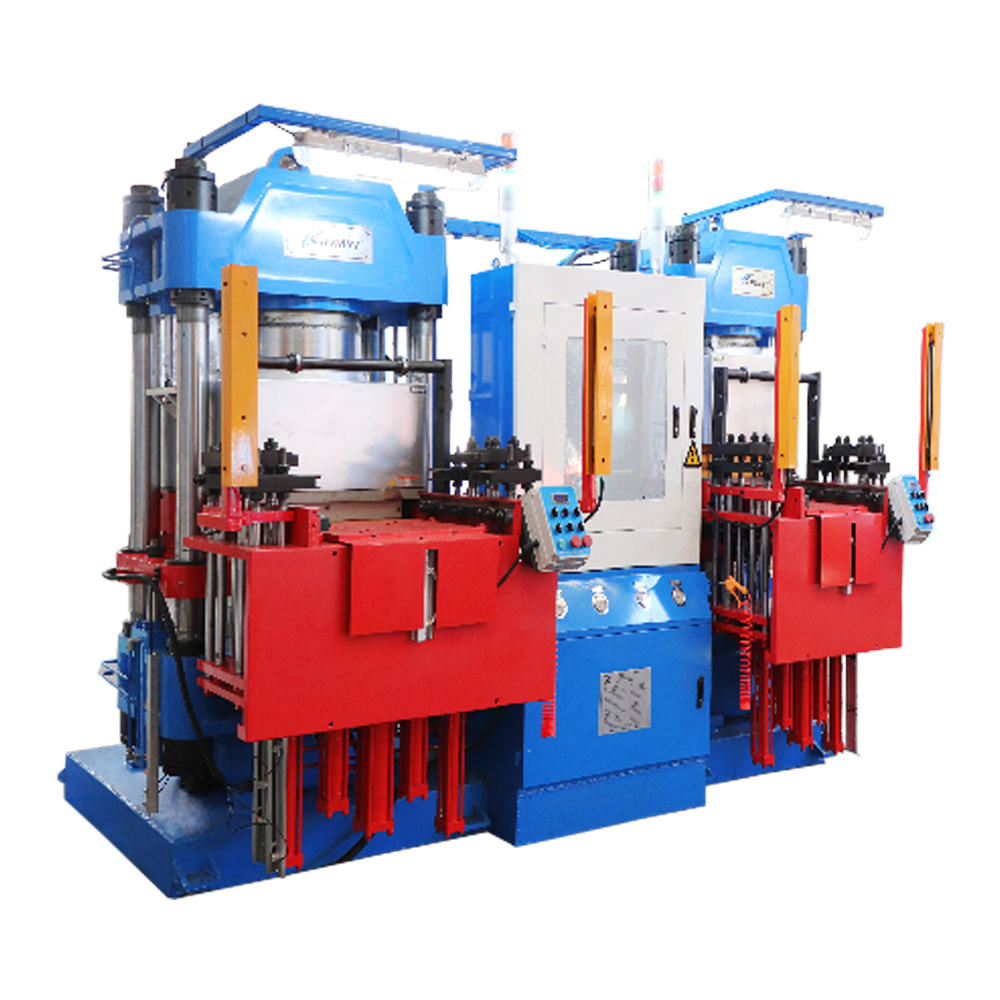
Running multi‑cavity, high‑volume rubber molding isn’t a mystery if you use a clear framework. Start with machine realities: a reliable rubber vulcanizing machine, accurate molds, and a controlled process. Together those pieces cut scrap, stabilize cycle time, and keep customers happy. I learned that in Akron, Ohio—where tire and rubber shops tightened process control decades ago—and those lessons still map to modern presses and curing lines, especially around mold cavity balance and curing time.
Why a structured approach beats guesswork
Without a framework you chase symptoms: short runs look fine, then a thousand parts in you hit shrinkage or flash. A framework forces repeatable choices: define performance targets, match tooling to throughput, then lock process windows. This reduces downtime and makes audits straightforward. Industry terms you’ll see often: vulcanization, press cycle, and mold cavity.
Core framework: Three tiers that actually work
Break the problem down into three tiers—Design, Process, and Quality—and treat each as a decision layer.

– Design: mold layout, cavity count, runner design, venting, and material choice. Higher cavity counts need very even flow and thermal paths.
– Process: machine selection, clamp force, cure schedule, and cycle control. Decide between platen or hydraulic presses based on part geometry and compressive force needs.
– Quality: inline checks, sampling frequency, and non‑conforming part routing. Set clear acceptance criteria for shrinkage and dimensional tolerance.
Equipment choices and the real trade-offs
Choosing equipment isn’t ideological. It’s about throughput per square foot and consistent heat transfer. There’s a difference between a heavy hydraulic press and a faster, lighter platen press; one gives raw clamp strength, the other often runs quicker cycles. Think about mold change time, maintenance access, and temperature uniformity. If you plan to scale, evaluate the full line including conveyors and post‑cure ovens; using quality rubber vulcanizing equipment upfront avoids rework later.
Common mistakes — and how to dodge them
People skip proper thermal validation or they push cycle time until parts deform. They assume more cavities = proportionally more output, but cavity imbalance kills yield. Also, mixing compound batches without tracking viscosity or scorch can wreck a run. Don’t do that—document viscosity and keep raw material lot control. Small investments in process gauges pay back fast.
Quality metrics that matter on the floor
Focus on a short list of metrics you can measure and act on: cavity balance (part weight variance), cycle time consistency (standard deviation), and percent yield per batch. Add occasional destructive tests for bond strength if the design needs it. These metrics tell you if the mold, press, or compound is the root cause when defects spike.
Implementation roadmap — practical steps
1. Baseline: Run a kiln‑to‑cool down study and map cure curves. 2. Pilot: Run one mold on the target press for 50,000+ cycles and log data. 3. Scale: Add molds only after establishing stable cycle windows and spare parts stock. Avoid the trap of ramping cavity count and skipping the pilot—this bites later. — Minor tweaks during pilot often save weeks on the production line.
Golden rules for picking strategy and tools
1) Match clamp force and platen size to the mold, not the forecasted order. Underpowered presses create flash; oversizing wastes floor space. 2) Validate thermal uniformity across cavities before full production—use embedded sensors or trial runs with thermocouples. 3) Track yield per cavity and treat any cavity deviating more than 2% as a fault to investigate immediately.
HWAYI understands these trade‑offs and designs systems that balance throughput with longevity—so teams get predictable output without firefighting on the shop floor.
