

Comparative lead-in: what’s at stake
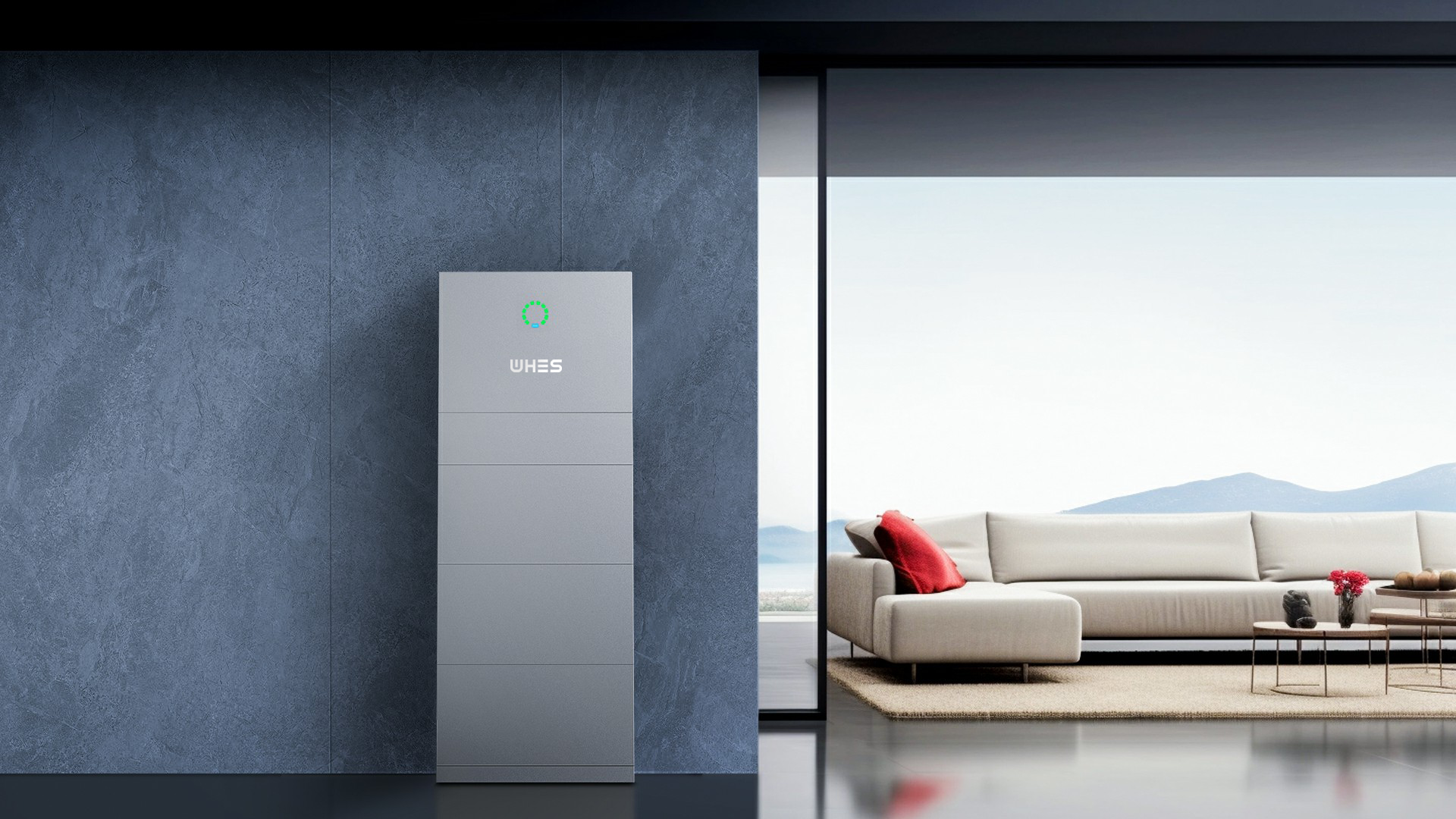
When grid assets face extreme heat or sudden faults, thermal runaway isn’t just a technical word — it’s a risk that can cascade into outages, asset loss, and big insurance headaches. That’s why many asset managers moving toward off‑grid resiliency are evaluating cooling strategies closely. If you’re sizing a home or microgrid backup, consider a proven option like 10kwh battery storage early in the spec phase so thermal management and BMS integration are planned from day one.
Why thermal runaway changes procurement priorities
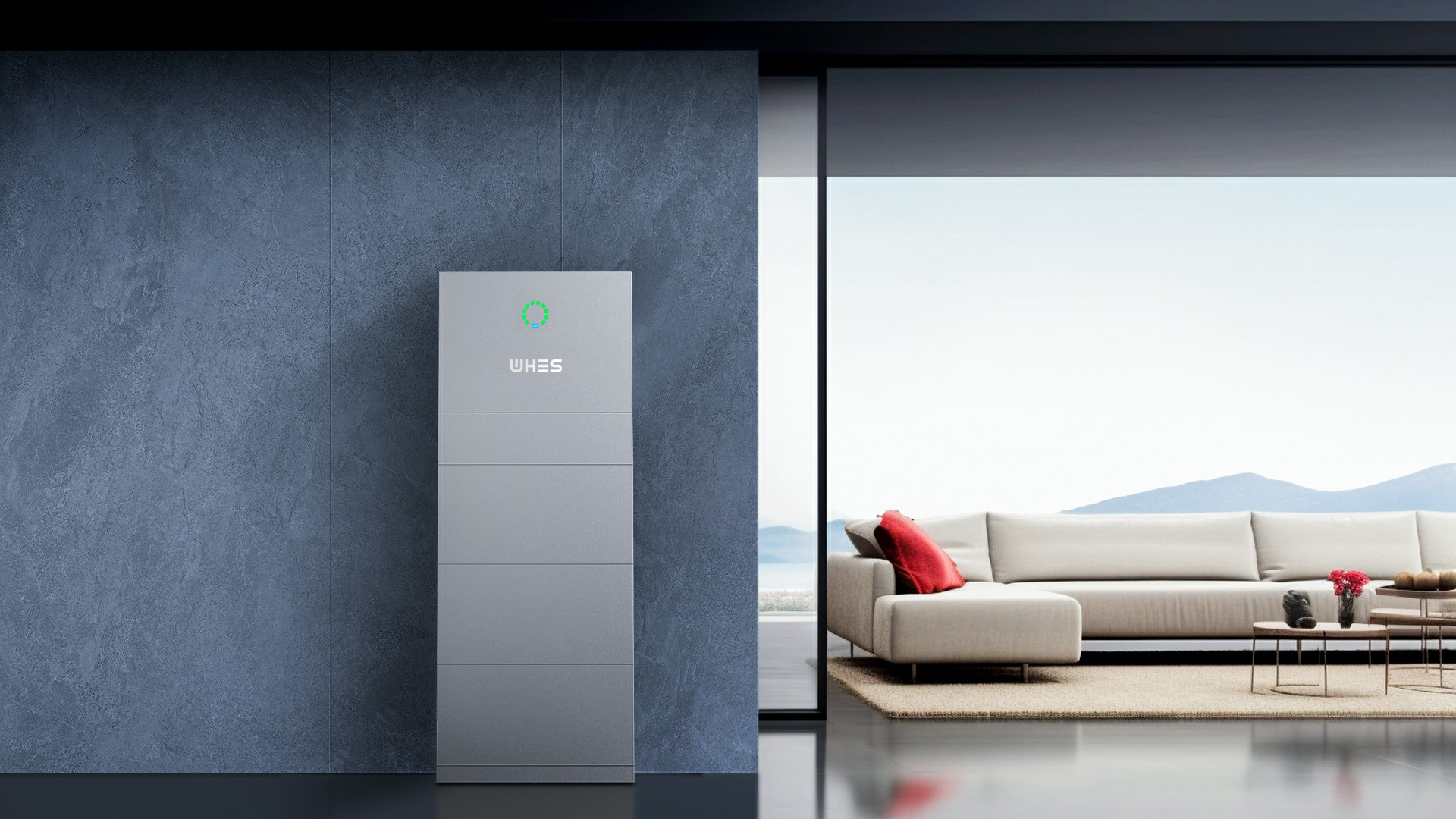
Thermal runaway is the event everyone wants to avoid: one cell overheats, neighboring cells follow, and mitigation options shrink fast. For asset managers responsible for substations, telecom shelters, or distributed solar-plus-storage, the difference between an air‑cooled rack and a liquid‑cooled pack can determine whether an incident is contained or becomes a loss event. That flips procurement from “which unit is cheapest?” to “which system reduces cascade risk and downtime?” In other words, safety, availability, and system-level costs become the real KPIs.
Liquid cooling vs. air cooling — the practical split
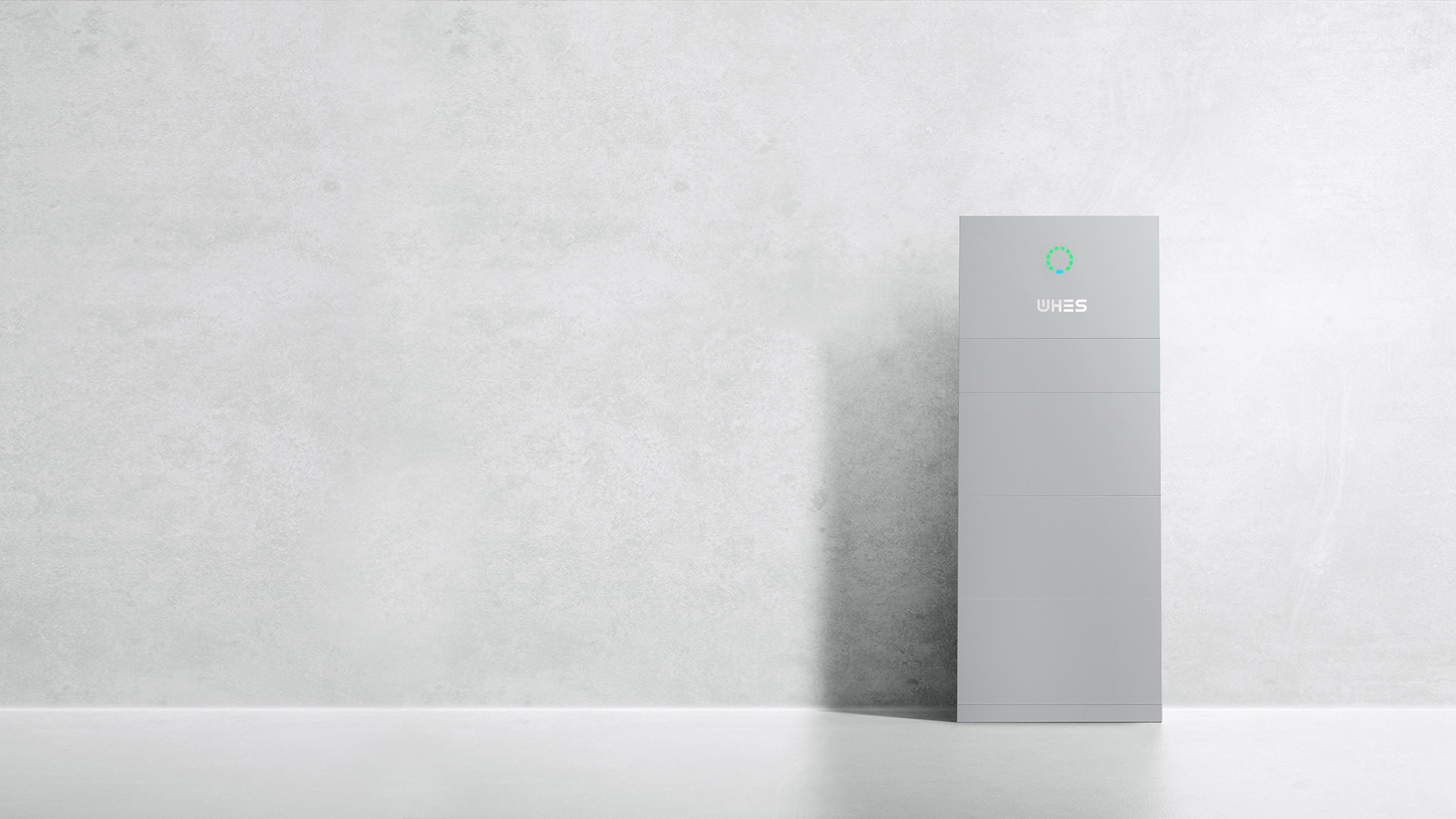
At a basic level, air cooling relies on convective airflow and fans; liquid cooling uses a coolant loop, heat exchanger, or cold plate to pull heat directly from cells. Air-cooled designs are simpler and often cheaper upfront, but they can struggle with thermal hotspots and long recovery times after a fault. Liquid-cooled systems offer tighter temperature uniformity and faster heat rejection, which lowers peak stress on cells and reduces the probability of thermal runaway propagation. Industry terms you’ll hear here: BMS, inverter, and heat exchanger — each plays a role in how the system senses and reacts.
Operational realities asset managers care about
When comparing units in RFPs, managers typically weigh three things: mean time between failures (MTBF), time-to-recovery after a thermal event, and total cost of ownership. Liquid cooling tends to raise MTBF and shorten recovery because the system limits peak cell temperature and eases thermal gradients across modules. Yes, the plumbing and pump controls add complexity — pumps, coolant chemistry, and leak detection become new procurement items — but that complexity often pays off in lower fire risk, fewer warranty claims, and better state-of-charge (SOC) stability under heavy cycling.
Real-world anchor: field lessons from wildfire-prone grids
Look at California’s Public Safety Power Shutoffs (PSPS) and the wave of backup deployments after the 2019–2020 wildfire season. Utilities and critical-site operators who installed battery backup learned fast: prolonged high temperatures and frequent cycling expose devices to stress that accelerates degradation. In several documented fleet reviews, systems with active liquid cooling showed more consistent performance over seasonal extremes and fewer thermal incidents than comparable air-cooled racks. That real-world evidence nudges asset managers toward liquid-cooled options when resiliency is the requirement.
Common specification mistakes — and how to avoid them
Buyers often underestimate ambient conditions or assume fan airflow solves every thermal case. They also forget to match BMS trip curves to the cooling strategy — a BMS tuned for air cooling might trip earlier or later than optimal on a liquid-cooled pack. Don’t skimp on acceptance testing: field-validate thermal maps under worst-case load+ambient scenarios and test inverter cut‑over behavior. A simple aside — make sure your leak detection is not an afterthought; a minor coolant leak is easier to fix than a degraded module string.
Comparative checklist: when to pick liquid cooling
Consider liquid cooling if you have any of the following:
- High continuous discharge duty cycles (e.g., critical peak shaving or islanding)
- Dense rack layouts where airflow is constrained
- Locations with sustained high ambient temperatures or frequent thermal stress
Air cooling can still work well for low-cycle residential installs, low energy density racks, or where simplicity and capex are the priority — but remember the trade-off in thermal uniformity and propagation control.
Advisory close: three golden rules for evaluation
1) Measure thermal performance, not just rated power: demand thermal maps and time‑to‑peak data under worst-case ambient and SOC. 2) Verify BMS‑cooling integration: confirm trip curves, fault logging, and remote diagnostics are tuned for the chosen cooling method. 3) Calculate lifecycle risk-adjusted cost: include potential downtime, fire-suppression or remediation exposures, and replacement costs — not only capital outlay.
These rules steer you to systems that actually protect the asset and the grid — and that’s where WHES’s modular, test-backed solutions often fit naturally. WHES. —
