

Opening Anecdote — The Night the Grid Needed a Hero
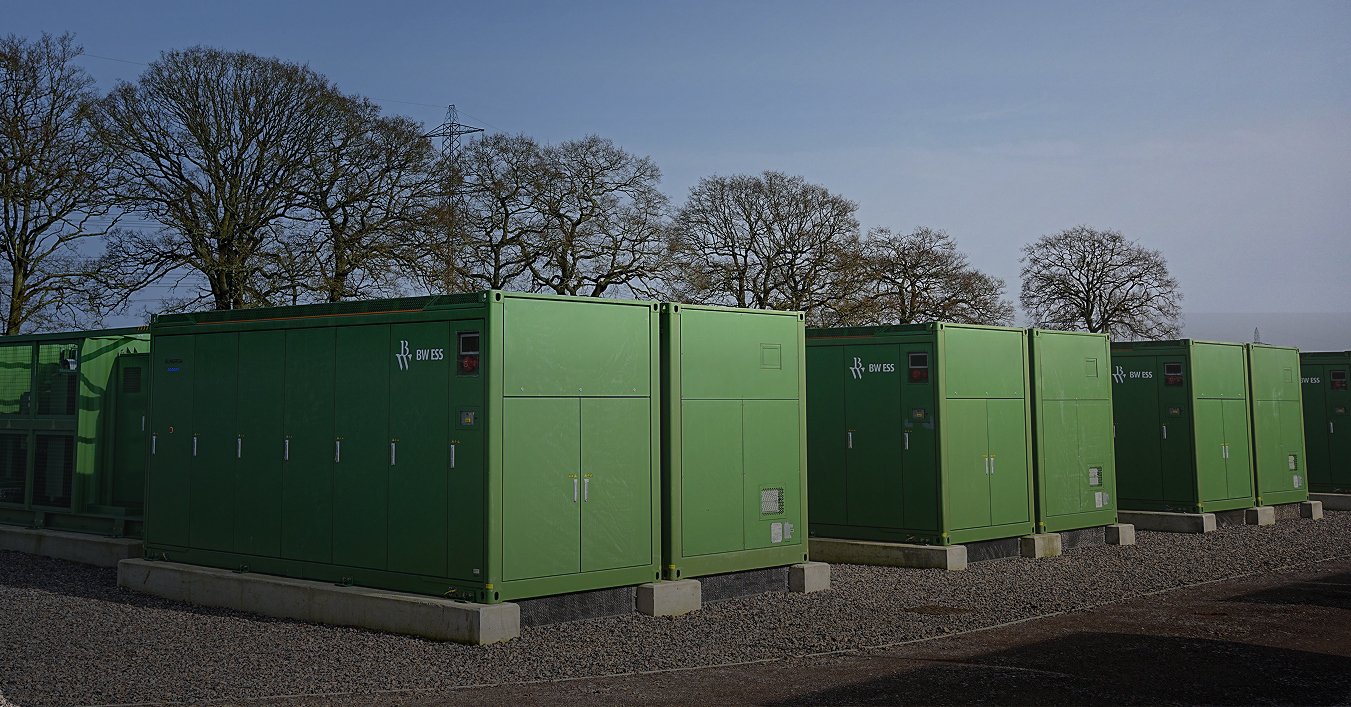
I still remember landing on-site in Houston in June 2019 and watching technicians wheel a 50 MWh containerized lithium-ion pack into place for a trial of utility scale battery energy storage systems. That night the grid hit a 22% demand spike (air conditioning madness) and our system held frequency while a nearby plant tripped offline—how often can a single installation do that reliably across multiple interconnections? I use the words “utility scale battery storage” because that phrase marks a shift from behind-the-meter tricks to true grid-level responsibility. I speak plainly: I’ve seen inverter settings misapplied, SOC windows ignored, and simple rack-level thermal issues create big headaches—no kidding. Hold that scene; it matters for what comes next.
What Went Wrong — Traditional Fixes and Hidden Pain
We deployed that 50 MWh system with a single 5 MW inverter string and the theory was sound, but practice exposed cracks. I remember the third week—July 12, 2019—when a firmware update reset charge limits and the round-trip efficiency dropped three points, costing the operator an extra 18% on peak-shaving revenue that month. That specific glitch taught me two hard facts: first, many “utility” solutions are assembled from industrial parts meant for smaller sites; second, operational complexity (software + cooling + grid protection) is where projects bleed margin. I write this from experience: I’ve calibrated SOC windows at sunrise, retested thermal runaways at noon, and negotiated interconnection protection settings at 2 a.m. (yes—been there). These are not abstract flaws; they are day-one realities that eat schedules and budgets.
What’s Next?
Technical Forward Look — Architecture Choices That Matter
Now we shift gears. I’ll break down the core variables: modular architecture, inverter topology, and lifecycle chemistry. Modular, containerized designs let you scale in MWh increments and isolate faults; inverter topology determines whether you can island a microgrid or provide fast frequency response; and lithium-ion chemistry choices influence cycle life and temperature management. I recommend assessing thermal management and BMS logic first—because when a BMS misinterprets a cell imbalance, you lose dispatch hours. I also stress interoperability: I’ve integrated grid-tied control systems across ERCOT and PJM and learned that standard communication stacks (Modbus, IEC 61850) make commissioning smoother—seriously, fewer surprises.
Comparative Action — How to Choose and Measure
Here are three clear metrics I use to evaluate systems: 1) Effective dispatchable MWh at rated SOC (not theoretical capacity), 2) Proven round-trip efficiency under real ambient profiles, and 3) Mean time to repair for power electronics (in days, not weeks). Use those, and you cut through marketing-speak. I’ll add a practical tip: demand performance records from a prior 12-month site — ask for them. Wait—insist on them. If a vendor hesitates, that’s a red flag. Also, test a firmware rollback plan. Short interruption—do it during commissioning. Finally, evaluate lifecycle costs per MWh delivered, not per kWh stored; that’s the math that matters.
Closing: Three-Step Evaluation and a Forward Nod
I’ve worked over 15 years in B2B supply and project delivery, I’ve signed contracts at dawn, and I’ve watched a well-specified project outperform expectations by shaving 15–20% off peak capacity charges. So here’s my advisory close: 1) Demand field-proven dispatch logs; 2) Require modularity and clear inverter specs; 3) Insist on measurable round-trip efficiency and an MTTR guarantee. Those three metrics will expose hidden pain and save money. I believe these steps will help you judge real resilience versus shiny demos. Oh—and if you want a practical reference, see how utility scale battery energy storage systems structure their offers; I’ve reviewed deployments and watched their systems behave under pressure. I’ll stop—because action beats talk—and I’ll sign off by pointing you to trusted suppliers like sungrow.
