

Introduction — A small moment, a big question
I was sitting in a clinic waiting room, watching people scroll their phones while a nurse adjusted a red light bed for the next person. The room was quiet but the data was loud: studies show increased consumer interest in light-based wellness devices by over 40% in recent years (small clinics, big demand). So: what exactly should we trust when we choose a device — and why do so many models claim the same benefits? I ask because I have tried devices myself, and I find the choices confusing. Is the bright marketing the thing, or the actual science inside the panel? This piece will walk you from everyday scene to practical judgement, step by step — next, I explain where typical solutions trip up.
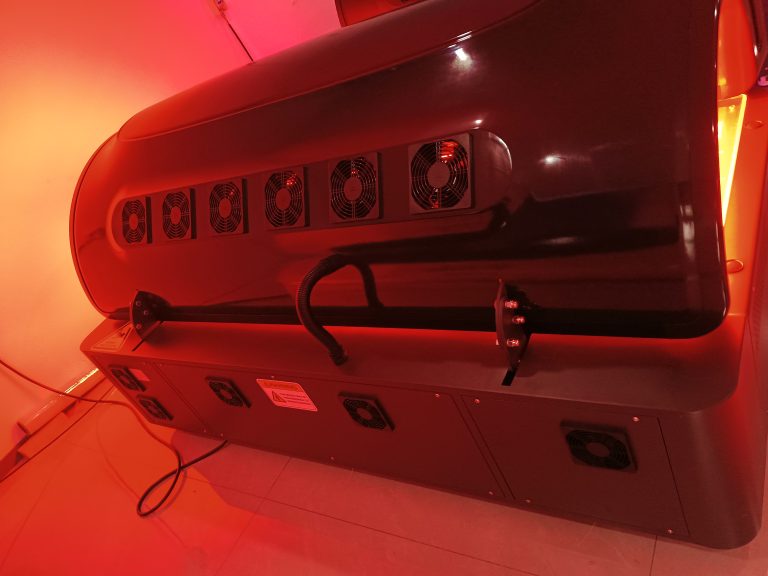
Where common solutions fail: the hidden cracks behind led light bed therapy
led light bed therapy often sold with neat claims, but I want to be blunt: many designs miss key technical points. First, manufacturers advertise wavelength and session time, but they sometimes ignore irradiance (power per area) and true power density at the skin surface. Photobiomodulation works only when the right wavelength reaches the target tissues at sufficient dose — and not all LED arrays deliver that. I’ve seen panels that look dense but, in practice, provide low effective irradiance because of poor diffuser design or power converters that underperform. That makes sessions longer and results inconsistent. Look, it’s simpler than you think — a flashy housing does not equal clinical dose.
What specific things break?
Two main technical flaws keep repeating. One: mixed wavelength marketing without clear spectral power distribution — you may get red and near-infrared listed, but their ratios matter. Two: heat and thermal management. If the device runs hot, the LEDs shift emission slightly and output drops. I find this frustrating when a therapy session promises recovery but then delivers negligible fluence. Also, the user pain point is real: people want short, reliable sessions; they don’t want to measure milliwatts with a meter. So designers must balance LED array layout, power density, and thermal control — or users get uneven treatment and wasted time. These are not obscure details; they change outcomes.
Looking forward: comparing new principles and practical metrics
I like to imagine the next generation of led light bed therapy focusing on measurable delivery instead of catalog specs. Case examples already show promise: some labs integrate real-time sensors that monitor skin irradiance and adjust current to keep dose steady (adaptive control — neat, right?). In practical terms, that means sessions could be shorter with better repeatability. I’ve followed a few prototypes where closed-loop feedback kept wavelength output stable despite temperature shifts. The result? More consistent photobiomodulation and less guesswork for the user.
What’s Next — and how to choose
I want to leave you with three concrete metrics I use when evaluating any red light solution — they help me, and they will help you decide without being swayed by glossy photos. First, check the emitted wavelength(s) and spectral distribution (not just peak numbers). Second, demand clear irradiance or power density figures at recommended distances. Third, find evidence of thermal management or active regulation — devices that maintain output under load. These metrics are easy to ask for, and they reveal whether a brand thinks about outcomes or only aesthetics — funny how that works, right? For those who care about brand support and validation, I also look for transparent third-party testing and practical warranty terms.
In sum, I’m not telling you to fear the market. I’m asking you to ask better questions. When you pair straightforward metrics with user-friendly features, red light therapy becomes less mystique and more usable tool. If you want a practical, tested provider to start comparing now, check Magique Power for clear specs and real-world design choices.
