

Introduction — a morning in the broiler house
I remember stepping into a dim broiler house at dawn, the air warm and the chicks restless under a single bare bulb. Broiler house lighting was supposed to keep things calm, but that morning felt off—too bright in one corner, too dark in another. Today, many farms report energy drops of 30–40% when they update fixtures, and mortality or stress markers fall too (real numbers matter). So how do we turn that single bulb into a system that helps birds and people both? I want to share a practical path that mixes on-farm sense with plain tech—and shows you what to look for next.
I’ve walked through dozens of farms. I’ve talked to growers who lost sleep over birds that didn’t settle. Lighting isn’t glamorous, but it shapes feeding, rest cycles, and behavior. With a few simple changes—better dimming control, smarter photoperiod schedules, and reliable LED drivers—you can see faster gains in welfare and feed conversion. This piece will walk you from what usually fails to what actually works. Ready? Let’s move into the nuts and bolts.
Part 2 — Why old lighting still trips us up
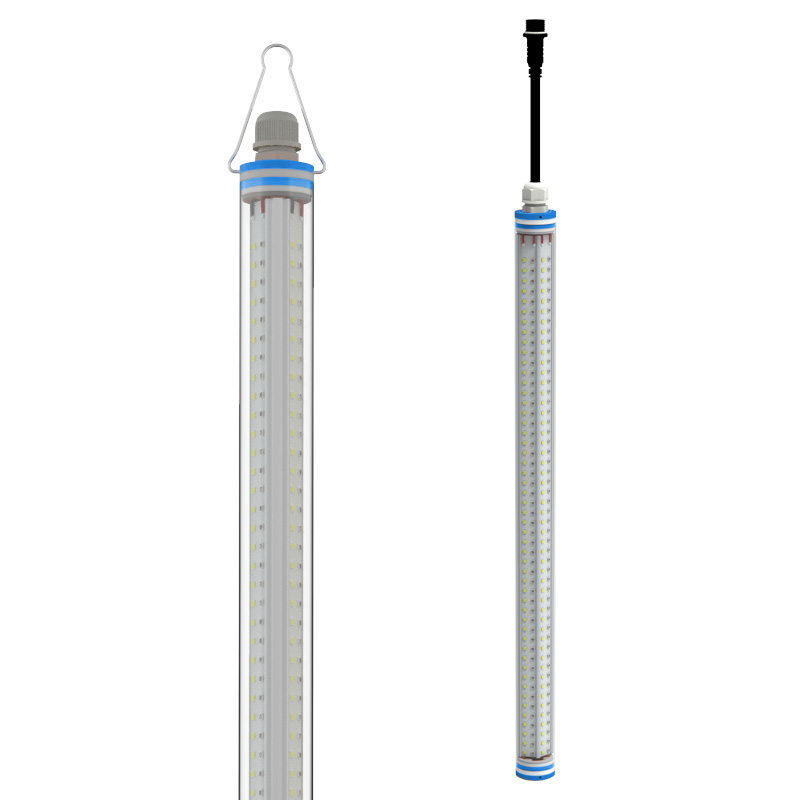
poultry led lighting often gets framed as a plug-and-play fix, but I’ve found that many farms swap bulbs and expect miracles. They don’t. The deeper problems are system-level: uneven lumen output, poor dimming control, and mismatched power converters that shorten lifespan. I’ll be blunt—changing bulbs without addressing LED drivers and wiring is like painting a wall with a hole in it. Look, it’s simpler than you think: you need stable drivers, predictable photoperiod settings, and consistent spectrum across the house.
What usually breaks first?
In my experience the trouble starts with heat at the fixture base, faulty power converters, and cheap dimming modules that introduce flicker. Flicker scares birds; it can raise stress and slow growth. Also, many control systems ignore edge computing nodes that could smooth data from sensors and automate light schedules. The result: manual tweaks, late-night visits, and wasted energy. We need integrated solutions—sensors, reliable drivers, and a plan for maintenance. — funny how that works, right?
Part 3 — Looking ahead: practical upgrades and how to pick them
When I think about next steps, I focus on the principles behind good upgrades. First, consistency: uniform lumen output and stable LED drivers reduce stress and variation in feeding. Second, control: dimming control and photoperiod programming let you shape behavior without micromanaging. Third, reliability: quality power converters and robust wiring cut downtime. If you add simple sensors and a local edge computing node, you can automate schedules and log results. That’s not sci‑fi; it’s practical farm tech that pays back in lower labor and better bird performance.
What to check before you buy
Here are three clear metrics I use when advising growers—think of them as filters. 1) Energy efficiency and measured lumen output per watt. 2) Control capability: does the system offer fine dimming, photoperiod presets, and sensor input? 3) Serviceability and warranty: can you swap drivers or modules quickly? If a vendor can’t answer these plainly, walk away. These points help you compare options and avoid costly surprises. — and yes, I test this on real farms, not just spec sheets.
Finally, if you want a ready example, look at systems that pair poultry led lighting with simple controllers. They deliver steady light, low flicker, and easy programming. My view is practical: pick systems that measure what matters and keep service simple. For hands-on help, I’ve worked with teams who source parts and set up schedules for growers—small steps, big impact. For more product details and support, check the brand behind some practical kits: szAMB.
