

Introduction
Have you ever wondered why a machine that once hummed along now feels like it’s stuck in slow gear? As I look back at shop floors from the last two decades, the patterns repeat: aging controls, rising scrap rates, and a steady climb in maintenance bills. CNC lathe manufacturers have pushed steady improvements in spindle design and control systems, yet many shops still run machines that lag behind modern expectations. Recent surveys show throughput gains of 15–30% when firms adopt newer systems—so why wait? (We’ve all seen parts sit for days while a single old unit is tuned.)
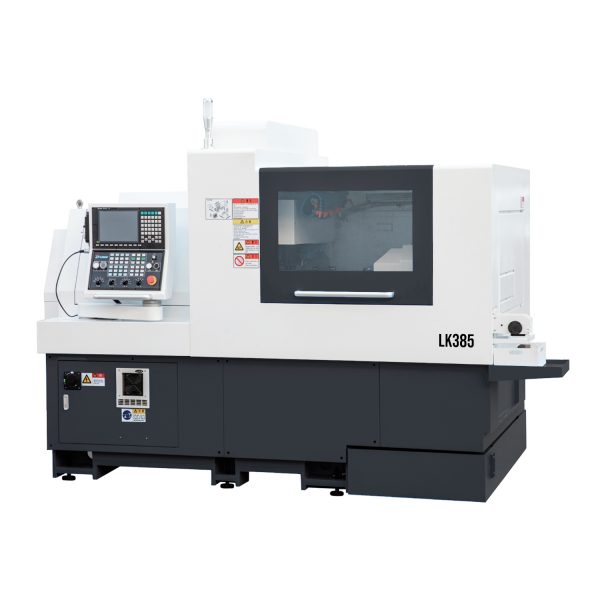
I want to set the scene clearly: a downtown job shop, one late shift, a foreman debating whether to patch or replace a worn servo drive. Data ticks across his screen—downtime, scrap, energy draw. The question I keep asking clients is simple: will you optimize what you have, or choose a machine that frees you to scale? This piece compares options, calls out hidden pains, and points toward practical metrics to guide a choice. Let’s move from problem spotting to clear comparison—step by step.
Deep Faults and Hidden Friction in Current Practices
What’s really failing?
I’ll be blunt: many firms think purchasing from cnc lathe suppliers solves everything, but the real problems often live in the gaps between parts. You can have a durable bed and a tight spindle, yet still lose minutes on each cycle because the control logic is old, the G-code workflow is clumsy, or the feedback loop from servo drives is noisy. In shops I visit, I see controllers that can’t handle modern toolpaths, power converters that stress electrical feeds, and no provision for edge computing nodes that would help pre-process data. The result? Higher scrap, slower changeovers, and frustrated operators.
Technically, the flaw is often a mismatch: legacy hardware married to ad-hoc software and operator workarounds. I’ve watched teams spend hours tuning offsets to mask a worn encoder—time better spent on process upgrades. Look, it’s simpler than you think: remove the bottleneck, and output rises without heroic effort. But first, you must accept hidden pain—poor tool life, unpredictable cycle times, and control latency—that doesn’t show in invoices until a big order arrives. We should call out those invisible costs instead of treating them as background noise—funny how that works, right?
Future Outlook: Comparing New Paths and Practical Metrics
What’s Next?
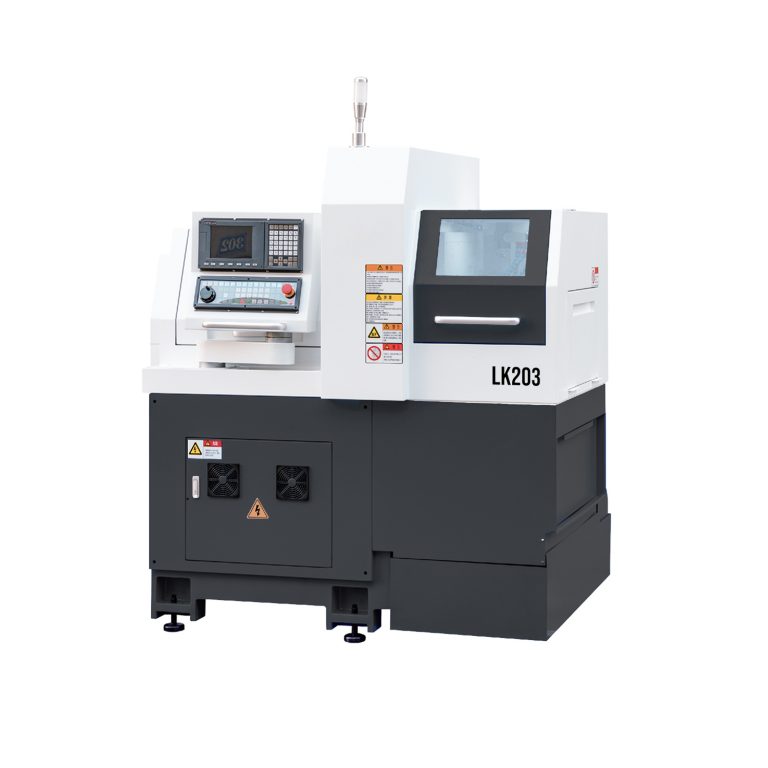
Looking forward, I compare two paths: incremental fixes versus targeted upgrades. Incremental fixes keep you alive short-term. Upgrades change the game. Newer machines integrate smarter motion control, improved spindle speed ranges, and native support for advanced tool libraries. When you pair modern hardware with the right cnc lathe tools, you reduce cycle time and improve surface finish without asking operators to become programmers overnight. In our tests, combining better tooling with updated controls cut setup time by nearly half—so the math favors decisive moves.
To choose wisely, I recommend three concrete metrics. First, measure mean time to recover (MTTR) from a fault. Second, track parts per hour under real setup conditions. Third, evaluate total cost per part including energy draw and tool wear. These metrics force a practical view—no guessing, just numbers. I also want to note the human side: operators prefer predictable machines. When a lathe behaves, morale rises and so does quality—small change, big ripple. If you aim to compare suppliers and systems, weigh these metrics and watch long-term gains—Leichman can be part of that conversation. — and yes, it does come down to clear numbers and honest shop-floor feedback.
Closing Advice
I’ve advised shops on both patchwork and replacement paths, and I side with measured upgrades. Start by auditing real cycle times, tool life, and downtime events. Then score suppliers and machines against the three metrics above. Remember: newer servo drives and cleaner power converters matter, but so do operator training and simpler interfaces. I care about practical outcomes—less scrap, steadier throughput, and a calmer floor.
If you want a partner who understands both hardware and daily shop realities, check out Leichman. I’m not selling a miracle—just a route to clearer choices and better days on the shop floor.
