

Introduction — a late-night workshop moment
I remember the night I first watched a little PCB reflow oven fill a room with a thin, metallic haze — the kind you can almost taste. In many shops and factories, fume extraction for electronics and industrial applications is treated like an afterthought, yet studies show airborne contaminants from soldering and coating can exceed safe limits by 5–10× during peak runs. So what do we do about it? (Buona domanda — and yes, this matters to both makers and managers.)
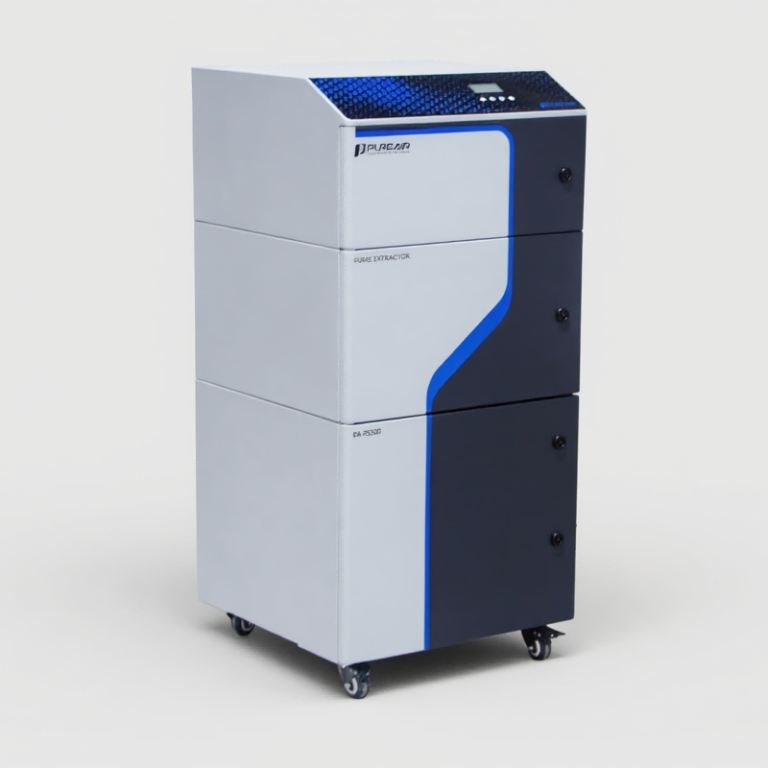
I want to share what I’ve learned on the shop floor and in cleanrooms. I’ll point out where common setups fail, what users quietly struggle with, and how new approaches actually change outcomes. My goal is practical: help you make cleaner air, safer workers, and fewer rejects. Now — let’s move from that smoky night into the real problems we need to fix next.
Peeling Back the Surface: Why Traditional Systems Let You Down
After that smoky night, I dug into how people design and buy extraction gear for electronic product design and manufacturing. What I found is blunt: many so-called solutions treat symptoms, not causes. Local exhaust ventilation is often undersized. HEPA filters get blamed when the real issue is poor capture at source. Look, it’s simpler than you think — but you have to look at the workflow, not just the machine.
What typically breaks?
Soldering fumes, flux vapors, solvent mists — they vary in particle size and chemistry. Many shops install a central hood or an inline filter and assume problem solved. But capture velocity, hood geometry, and positioning matter more than rated flow. Filters clog fast if pre-separation is missing. Activated carbon beds will fail early if they see high VOC loads without proper staging. I’ve watched costly filters get replaced monthly — while the real fix was moving the nozzle 6 inches closer to the source. — funny how that works, right?
What’s Next: Principles of Smarter, Future-Ready Extraction
We need to shift from “more suction” to smarter systems that use principles, not power. New designs combine staged filtration (pre-filter, HEPA, sorbent), targeted capture, and sometimes sensor feedback. For teams doing electronic product design and manufacturing, this means specifying capture tools that match the process: a fume arm for hand soldering, a local cabinet for wave solder, and integrated capture for conformal coating booths. Edge computing nodes and simple sensors can alert you when capture falls below target — so you act before problems grow.
Principle one: match capture to source. Principle two: stage your filtration so each stage handles the load it’s best at (coarse particles first, then HEPA, then sorbent). Principle three: add intelligence — low-cost sensors and simple controls give you meaningful uptime and predict filter change. These are not wild ideas; they are tools I’ve seen turn chronic problems into routine, quiet operations. You’ll save on filters, reduce worker exposure, and — importantly — avoid production snags.
Real-world impact?
Yes. In one small assembly line we reconfigured, VOC alarms dropped, rejects fell, and maintenance hours went down. People felt better about their work. If you evaluate new systems, focus on three things: capture efficiency at the source, total cost of ownership (not just purchase price), and measurable exposure reduction. Those metrics tell a true story — measurable, not just marketing speak.
Practical Advice: Choose Wisely, Measure Clearly
I’ll end with clear steps you can use today. First, test capture at the task — measure with a simple air monitor or smoke pencil. Second, require staged filtration in specs (pre-filter + HEPA + sorbent where needed). Third, demand data: sensors or logs that show airflow and filter status. These are quick wins I recommend to every client — I’ve done the math, and they work.
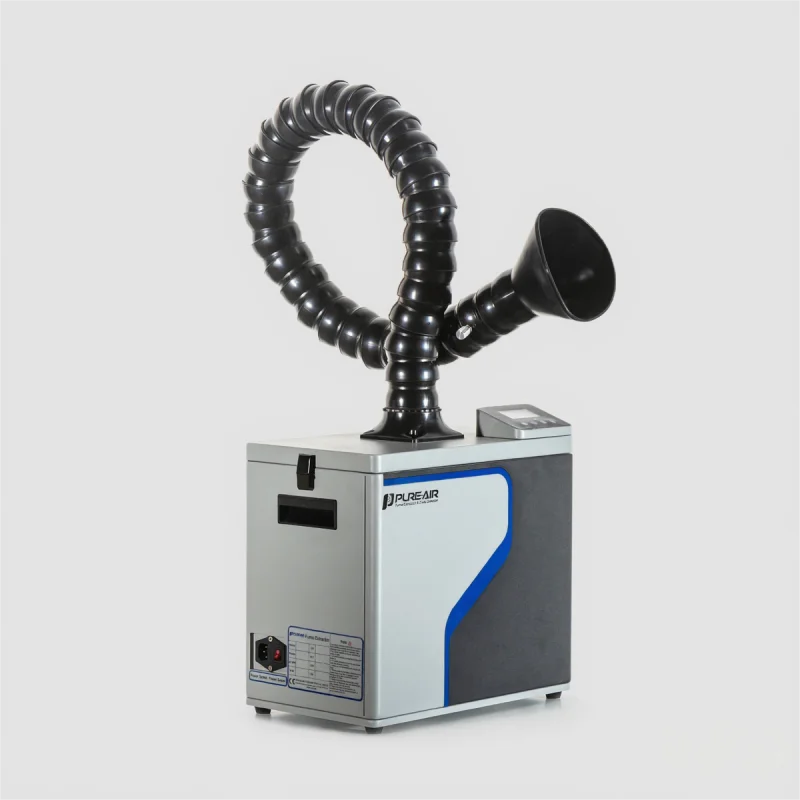
When you weigh options, use these three evaluation metrics: capture efficiency at the source (percent captured), lifetime operating cost (filters, energy, maintenance), and compliance margin (how far below exposure limits you operate). If a vendor can’t give you numbers here, ask better questions. We often trust appearances — but the real value is in consistent, measured performance.
I believe cleaner air is within reach for most shops. We can design smarter systems without breaking the bank. If you want a starting point, check what styles match your process and insist on testable performance. Little changes add up — and sometimes a six-inch move makes all the difference. For guidance and solutions, consider the work from PURE-AIR.
