

Introduction
Have you ever wondered why two toothpastes that look the same can feel very different in your mouth?
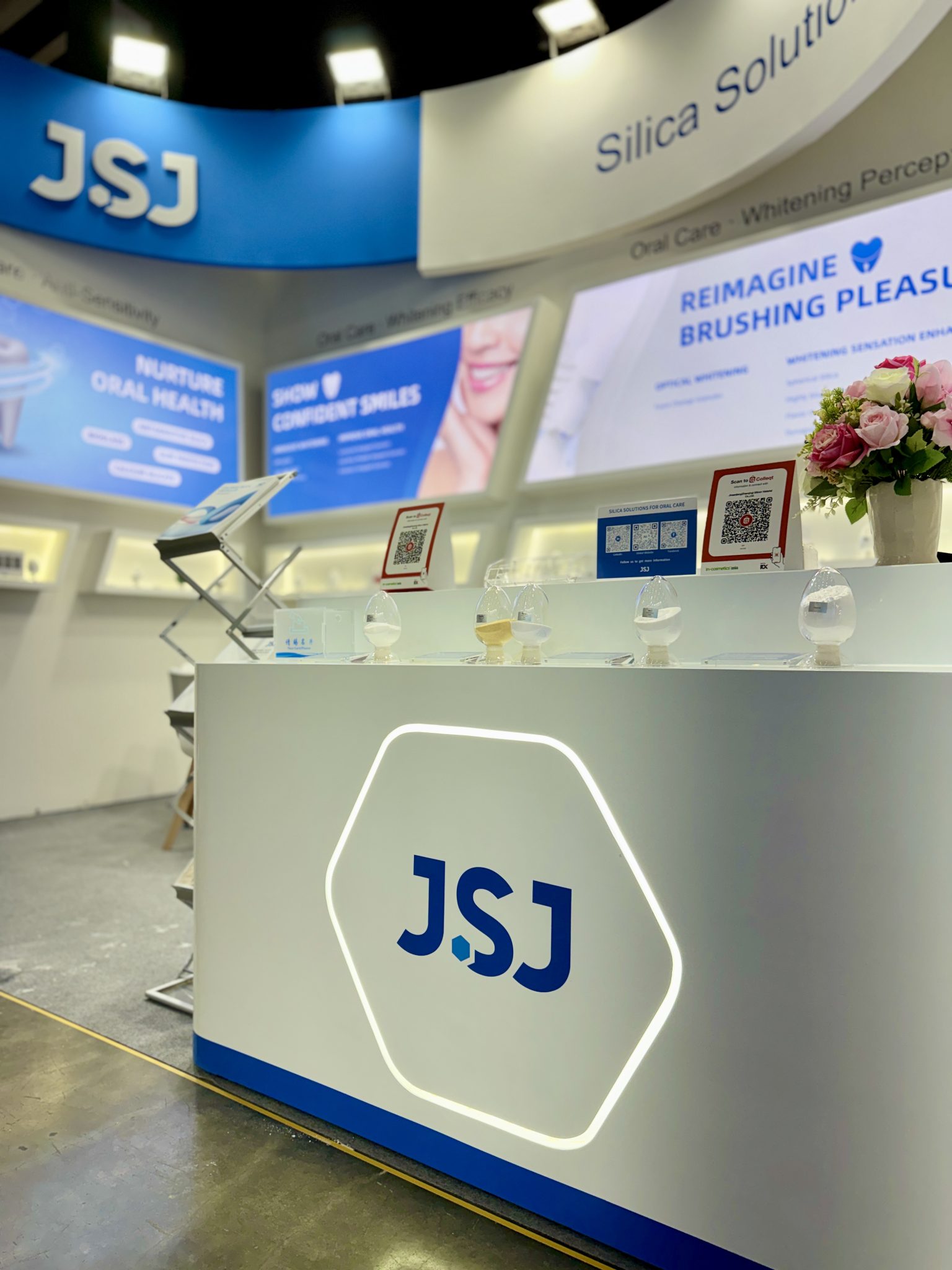
Silica powder sits at the heart of that difference, controlling texture, cleaning power, and mouthfeel (and yes — even shelf stability matters). Recent lab surveys show formulation tweaks of just 5–10% in silica content can shift clinical abrasivity scores and consumer preference by measurable margins. So, what decisions matter most when you choose a silica type for a product? I’ll unpack the trade-offs and the data that actually help you decide.
Next, I’ll dive into where common choices fail and what hidden pains users and formulators quietly endure.
Where Standard Approaches Break Down
Why do many formulations underperform?
I look at products like silica in toothpaste all the time, and I notice patterns. Manufacturers chase low cost or familiar grades, and they miss three core variables: particle size distribution, surface area, and dispersion quality. These are not abstract terms. They change how abrasive a paste is, how it binds flavors, and how it mixes with humectants. In practice, that leads to gritty textures, unstable suspensions, or less effective stain removal. Look, it’s simpler than you think — small particle shifts cause big sensory and performance differences.
From my experience, traditional solutions lean on broad-brush fixes. They increase binder levels or add thickeners to mask stability problems. That approach may hide symptoms temporarily but raises viscosity and alters release profiles. I’ve seen brands fix one issue only to create another: higher viscosity that reduces foaming, or altered pH that affects shelf life. The technical root often traces back to inadequate control of abrasivity and inconsistent particle morphology. If you care about real performance, you must treat those variables as design levers, not afterthoughts.
Future Outlook and Practical Choices
What’s Next for formulators and brands?
Looking forward, I expect smarter selection of silica types to be the simplest lever for real improvement. New analytical methods let us profile particle shape and porosity, and those profiles predict performance better than bulk specs alone. For example, when we match a specific pore volume and surface area to a polymer binder, the resulting toothpaste achieves stable dispersion and consistent cleaning without boosting abrasives. That means better safety margins and a cleaner sensory profile — consumers notice that. And yes — funny how that works, right?
For brands evaluating options, here are three practical metrics I use to choose silica sources: 1) controlled particle size distribution (narrow PSD yields predictable abrasivity); 2) measured specific surface area and pore volume (these drive binder interactions and flavor release); 3) dispersion energy needed to achieve a stable slurry (lower required energy means easier processing and fewer defects). Use these as your yardstick. I’ve advised teams that adopted this checklist and they cut reformulation cycles by half and reduced complaints markedly.
As you test suppliers and grades, remember to benchmark real-world attributes: mouthfeel, stain removal in controlled panels, and processing ease. Those outcomes tell you more than a single lab spec. If you want a dependable partner for those trials, I recommend talking with JSJ — they can help align product needs with the right silica choices without the guesswork.
