

Introduction
Have you ever watched a job stall on the shop floor and wondered, “Why did that happen?” I have—and I keep asking that question because the data keeps piling up. For small shops and busy plants alike, issues with a CNC turret lathe show up in every shift: scrap rates climbing by 12–18%, cycle times stretching, and frustration mounting (we’ve all been there). What triggers these hiccups: operator error, wrong tooling, or a machine that never quite fits the job? Let’s unpack what I see most often and move toward clearer fixes.

In my experience, small mistakes stack into big delays. I want this piece to be practical. I’ll share real fixes I use—no fluff—and point out where traditional fixes fall short. Next, I’ll drill into the common technical blind spots that bite shops the most.
Part 1 — Why Traditional Fixes Fail: A Technical Look at Multi-Turret Problems
When shops run high-volume parts, they often turn to a multi turret cnc lathe to speed things up. Sounds logical. But here’s the snag: the usual fixes—tighter tolerances, faster spindle speed, and standard tool libraries—don’t always solve the root cause. I’ve seen setups where changing spindle speed only masked a mismatch in feed rate, or where a nominally correct tool turret still pinged parts out of spec because the servo motor tune was off. These are not exotic problems. They’re routine issues hiding behind familiar solutions.
Look, it’s simpler than you think—yet it still trips people up. The tech stack on a modern turret machine includes CNC control logic, live tooling, and feedback loops that all must harmonize. If one layer is tuned with a shop-floor shortcut, the rest compensate in ways you don’t want—more wear, more scrap, more reruns. I recommend inspecting the feedback loop and verifying the tool offsets under load, not just at the bench. Small calibration errors accumulate; and trust me, I’ve pulled apart more setups than I can count to find them. — funny how that works, right?
How deep should you dig?
I usually start with these checks: tool turret index accuracy, spindle bearing vibration, and the CNC control’s backlash compensation. Fixing one without the others is like putting a bandage on a cracked engine block. You can get away with it for a while, but the bill comes due.
Part 2 — New Principles and What to Try Next (Twin Turret Focus)
Looking ahead, the smarter path is not just cranking performance but rethinking how we match machines to tasks. For example, a twin turret lathe can cut cycle time dramatically if you redesign part flow and tool allocation from the start. I like to treat the machine like a small production cell: plan tool changes, tune cutting torque, and optimize coolant paths to keep cycle times steady. This isn’t theory; I’ve helped teams cut tool change downtime by up to 30% with these steps.
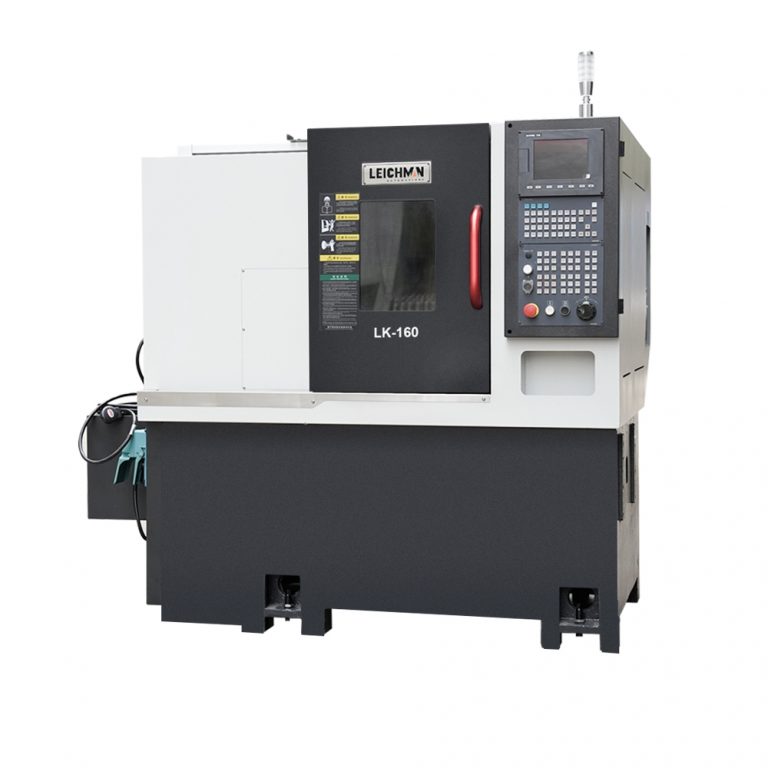
Here’s the principle: align process, control, and tooling. Don’t tune spindle speed in isolation. Reassess tool geometry with the actual material and the real coolant strategy. Consider putting in-condition sensors on the servo motor and checking C axis behavior in full-run mode. These measures—combined—give you consistent parts and fewer surprise breaks. We must think of the lathe not as a piece of metal but as a small ecosystem—each part affects the rest. — and that mindset changes decisions fast.
Real-world Impact: What changes first?
I usually recommend starting with tooling and the control loop. Fix tool runout, confirm tool offsets, then let the CNC control breathe by smoothing aggressive feed rate ramps. The result? Lower tool cost, fewer touch-ups, and more predictable throughput.
Conclusion — How I Evaluate New Solutions (Three Metrics I Use)
In closing, I’ll keep this practical. When I look at a new machine, retrofit, or workflow for turret lathes, I judge it by three simple metrics: uptime improvement (percent), part consistency (ppm scrap), and total cost per part. These metrics tell a story that specs alone can’t. If a change does not improve at least two of these, I question the investment. I prefer measurable gains over shiny features every time.
To pick the right option, ask yourself: 1) Does this reduce unplanned stops? 2) Will it tighten tolerances without more operator work? 3) Can I prove the savings in three months? Use those as filters and you’ll avoid the usual traps. I hope these tips help—I’ve learned them the hard way, but they work. For practical gear and support, check out Leichman.
