

Introduction: Setting the Frame Before You Buy
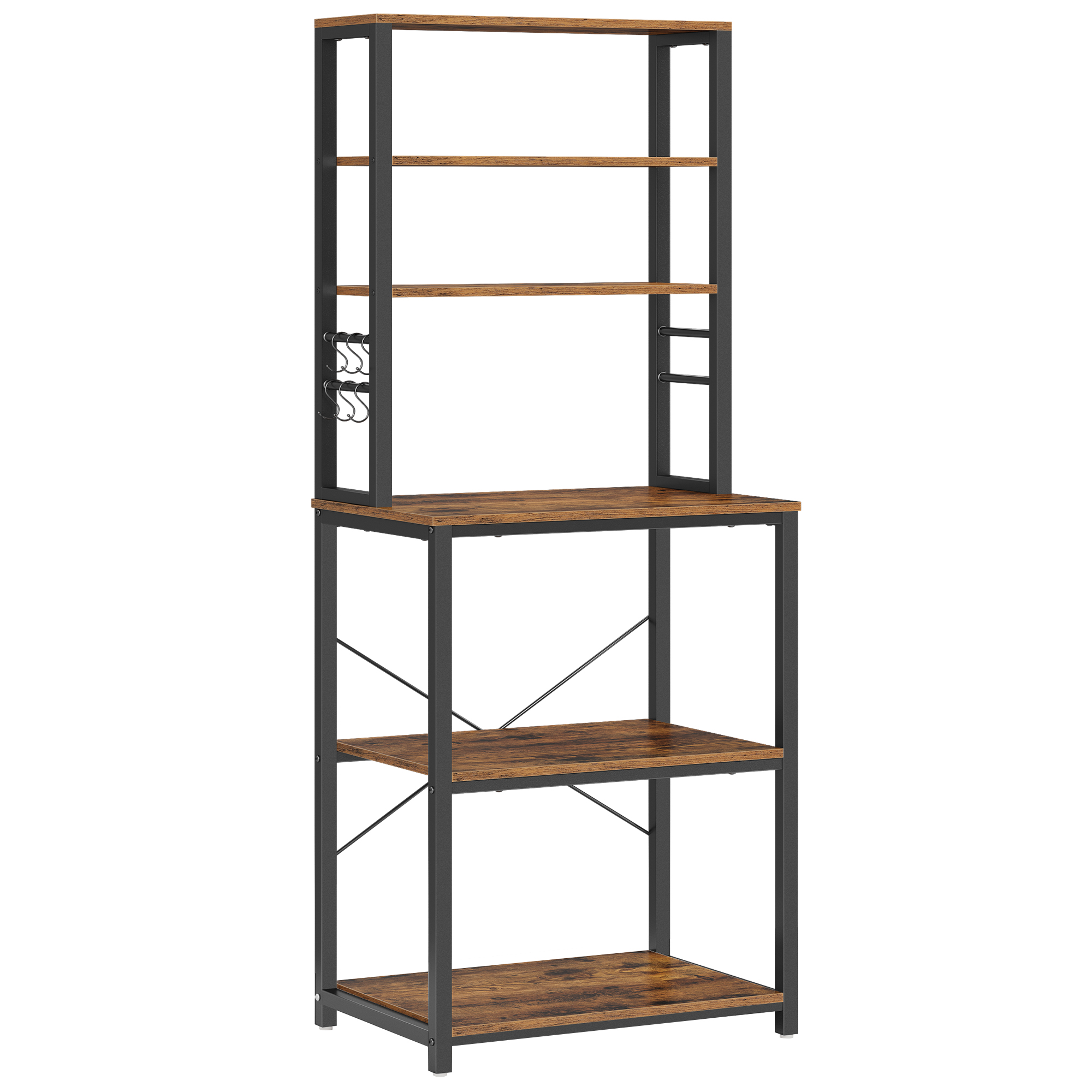
A kitchen rack is not just a shelf. It is a load-bearing system that balances capacity, footprint, and safety. Many buyers look at price first, then get lost among kitchen racks manufacturers and models that seem the same on the surface. In real life, the story is simple: you need storage that does not wobble, rust, or chip, and you need it fast (and on budget). Yet data from trade reports shows a high rate of returns for racks due to loose joints, poor coatings, and misfit parts—issues that often appear only after a few weeks of use. So, how do you choose smarter when the catalog looks endless?

We start by looking at the gap between what brochures promise and what kitchens need—day in, day out. Then we compare how old methods and new methods stack up. Let’s break it down in a clear way, nha? Next, we go deeper into the real pain points and why they hide in plain sight—funny how that works, right?
Part 2: The Hidden Pain Points Most Buyers Miss
Where do hidden costs live?
If you pick a kitchen rack supplier only by unit price and finish photos, you risk paying later in downtime, returns, or add-on fixes. Look, it’s simpler than you think: the weak spots are usually in load rating specs, tolerance stack-up, and coating quality. A rack can be made of cold-rolled steel yet fail if the welds are light or the powder coating is thin. Likewise, unclear QC checkpoints let small defects slip—burrs, out-of-square frames, misaligned holes—that turn assembly into a struggle. And when the MOQ is set high without a clear SKU plan, you tie up cash in variants you do not need.
Traditional buying flow focuses on catalog match and finish options first. But kitchens punish shortcuts. Steam and oil attack poor coatings; salt in dish zones triggers corrosion; uneven floors expose weak feet and bad anti-tip brackets. Packaging also matters: if inserts crush, corners deform, then holes won’t line up. One more thing—back orders. If the supplier’s lead-time buffer is thin, a single material delay (tubes, fasteners, or galvanized wire) can stall your rollout. These are not dramatic failures; they are small drips of friction that cost days and morale.
Part 3: Comparative Lens—What Modern Methods Change
What’s Next
Now let’s look forward and compare. Old-school racks rely on manual checks and generic frames. Newer suppliers use clearer engineering rules: finite element estimates for shelf deflection, lifecycle testing on joints, and salt-spray benchmarks for corrosion resistance. Some even pre-assemble critical nodes to control tolerance stack-up—so field assembly becomes snap-fit rather than “tap and pray.” In a practical case, a brand that moved to modular uprights and standardized fasteners cut SKU sprawl by 30% and reduced assembly time by half. When you buy via kitchen rack wholesale, this standardization scales—fewer unique parts, better fill rates, cleaner forecasts. Simple moves. Big gain.
There’s also a shift in the way coating and hardware are paired. Higher-micron powder coating, consistent pre-treatment, and sealed edges delay rust in dish zones. Upgraded feet spread load and tame wobble on tiles. And packaging is treated like a structural component—corner blocks, double-wall cartons, and clear fastener maps. The effect in the kitchen? Fewer call-backs, smoother installs, and real load capacity aligned with claims—not just in a lab, but on your floor. We compare, we test, we standardize—then small errors stop multiplying. That is the quiet win—funny how that works, right?
How to Decide: Three Metrics That Keep You Honest
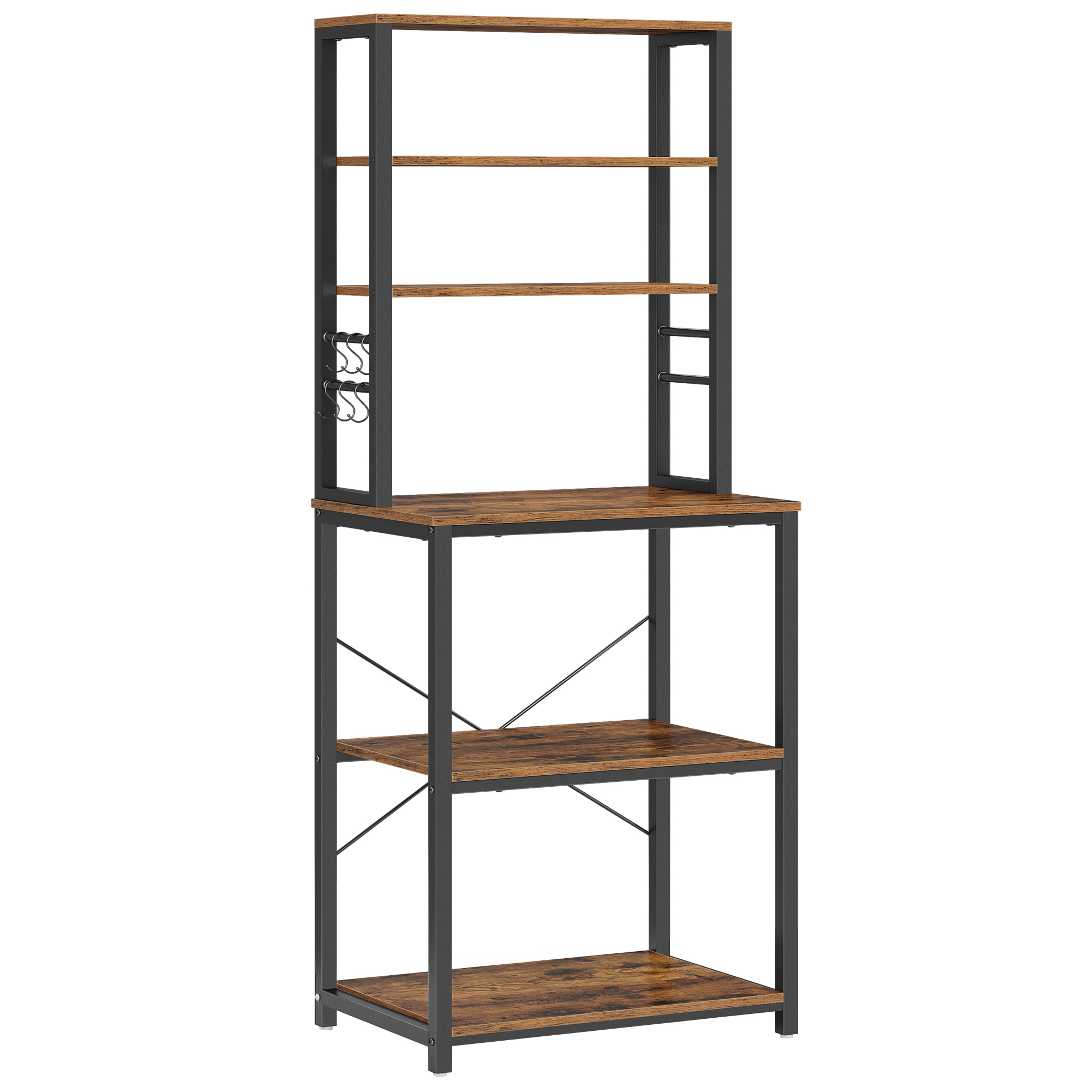
Advisory close, straight to the point. 1) Fit-for-use metrics: ask for verified load rating at your shelf width, plus cycle tests on joints and corrosion data (salt-spray hours). 2) Assembly friction: request a timed build trial, check hole alignment, fastener quality, and an anti-tip plan; count the steps and tools required. 3) Supply resilience: confirm lead-time buffers, spare-parts policy, and packaging protection; review MOQ versus your SKU plan to avoid dead stock. These three reveal more than a glossy catalog. Keep them on a single page, share with your team, and you will buy with fewer surprises. For a steady reference point as you compare options, see SONGMICS HOME B2B.
