

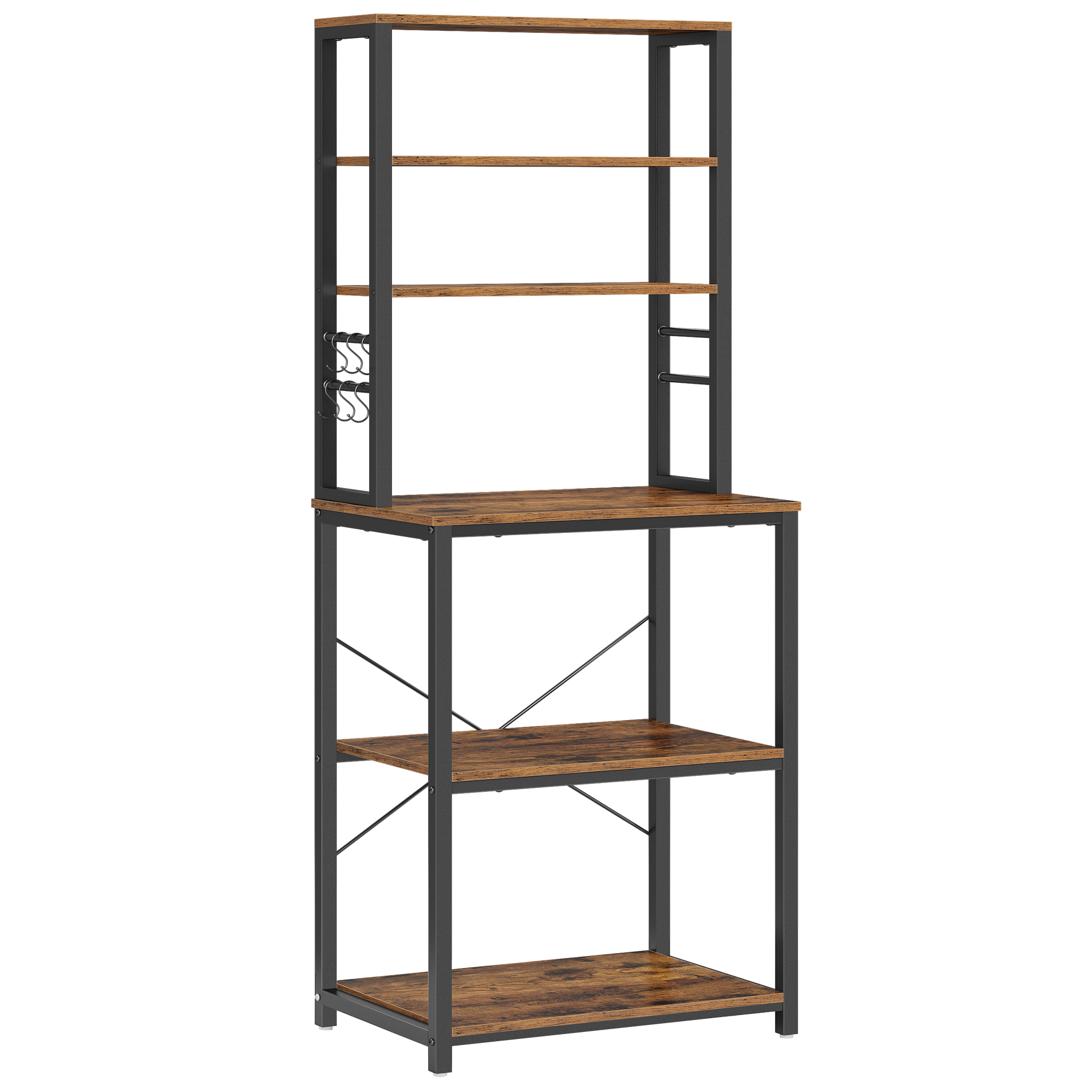
Introduction
The kitchen is now a logistics hub in miniature. Kitchen racks manufacturers see it each day as homes shift to small spaces and faster routines. In one recent survey, over 60% of users said they reorganise their kitchens every quarter, yet half still lose time to clutter—astonishing, is it not? As buyers scan lists of kitchen storage rack manufacturers, many also face tight budgets, odd layouts, and safety rules that feel opaque. So, what actually makes a rack fit for purpose when the room changes weekly, the load changes daily, and family habits change hourly (tea tins, meal-prep trays, pet food, the lot)? Here is the rub: the choice looks simple, yet small industrial choices—powder coating, load testing, gauge tolerance—decide whether a shelf feels solid or flimsy. And if that decision is wrong, the whole system wobbles. Let us map the signals that matter, then compare what is coming next—calmly, and with a practical eye.

The Hidden Frictions Buyers Feel (and Why They Persist)
What do buyers actually struggle with?
In Part 1, we framed the big market signals. Now, a closer look. Many kitchens do not fail from lack of shelf space; they fail from misfit. Cup sizes vary. Wall studs are not where you expect. Appliances creep onto worktops. Users ask for “sturdy and slim,” but the spec sheets bury key facts. Load rating may be stated, yet not for point loads at the front edge. Steel gauge may be listed, yet the cross-brace is thin. Look, it’s simpler than you think: the limits are in the details. When a supplier does not publish tolerance bands, you guess at stability. When a frame has no cross-brace, torsion wins. When SKU rationalisation hides depth options, returns rise—funny how that works, right? These frictions come from upstream choices: MOQ pressure, generic tooling, and plain packaging that skips drop tests. The result is a shelf that seems fine in photos, and shaky in a real pantry.
Assembly time is another blind spot. A set can be “tool-free,” yet the push pins bite soft metal. Corner posts twist because the section lacks torsional rigidity. The fix is known in the trade: thicker corner profiles, better press-fit sockets, and a locked brace. But traditional kits often use one die set for all sizes to keep costs down. That choice echoes in your home. Without proper load testing and FEA (finite element analysis), the top shelf bows. Without a decent powder coat and salt-spray test, corrosion creeps near the sink. Packaging matters too. If it skips ISTA 3A, parts arrive with hairline bends, and assembly tolerances vanish. Supply chain issues add more pain: late parts, mixed hardware, and no EDI tracking. These are small errors with large effects. And yet, they are fixable with clear specs, CNC bending consistency, and honest data sheets that users can trust.
Technology and Choices That Change the Game
What’s Next
Forward-looking manufacturers are not guessing; they are measuring. The new principle is simple: make the digital proof match the kitchen. Digital twins model shelf frames under uneven loads. A parametric bill of materials locks in gauge, brace angle, and hole spacing at once. Machine vision checks welds. An MES tags each frame with a QR code for traceability. You scan; you see batch, coating line, and torque spec—done. On the floor, coil-fed laser cutting and robotic welding cells raise repeatability, while smart jigs reduce human error. The coating line adjusts bake time to part mass, so chips are rare. Even packaging gains brains: drop sensors track shocks in transit. For buyers of a wholesale kitchen storage rack, this means fewer surprises and a steadier install—no drama, just fit. And because fixtures now use modular tooling, you can match narrow pantries, odd corners, and tall appliances without a redesign.
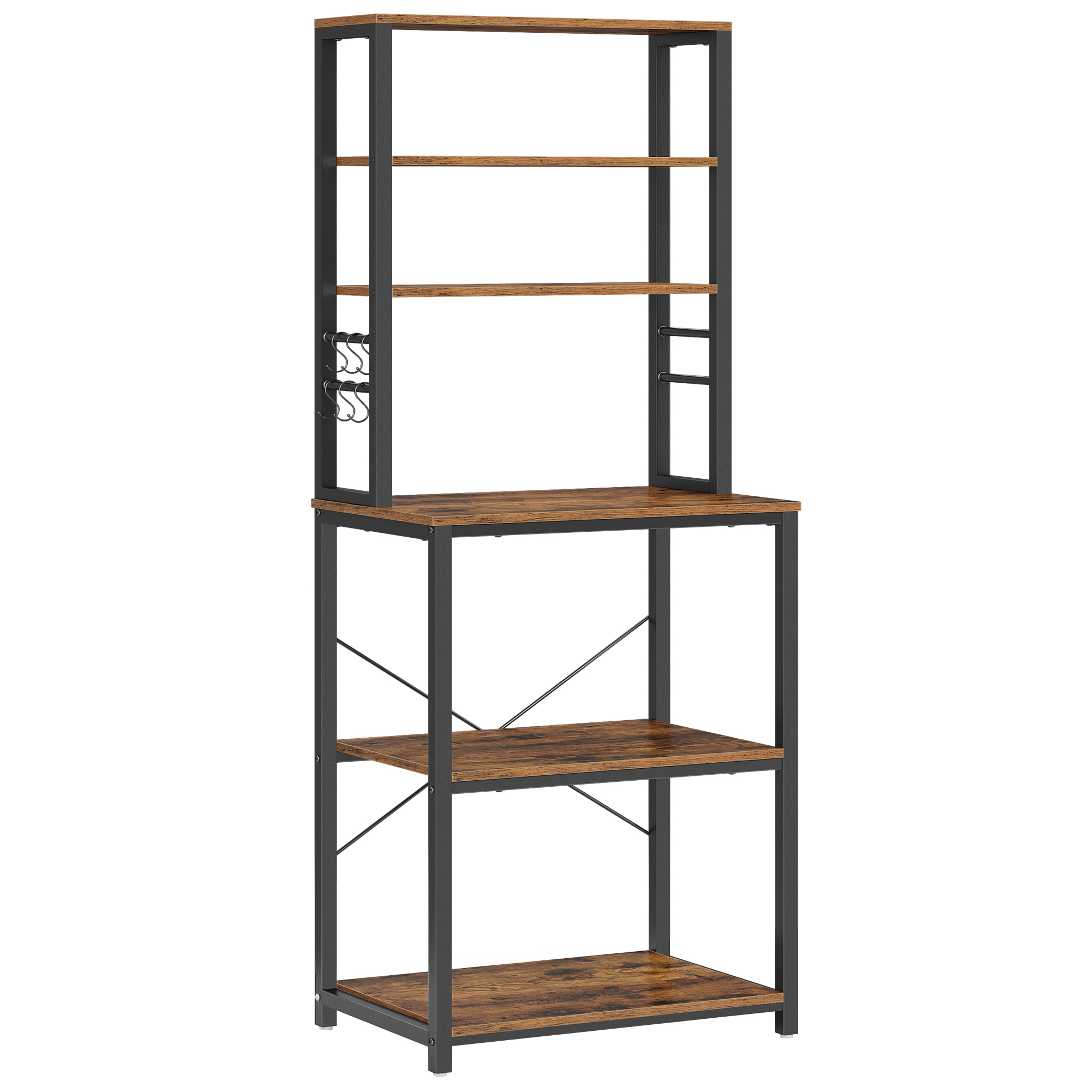
There is also a quiet shift in how choices are compared. Instead of judging on price alone, teams weigh stability per kilogram, assembly minutes, and return rate per SKU. Semi-formal as it sounds, it is still about daily life: the shelf should not creak when you lift a cast-iron pot. A future-ready rack will state edge-load ratings, show brace geometry, and share corrosion data in plain English. It will ship with clear fasteners, a hex key that does not round off, and labels you can read under warm lights—small courtesy, big effect. Summing up, the best path blends new controls with simple truths: tight tolerances, proper bracing, tested coatings, and clear fit options. To choose well, use three checks: verified load testing under uneven loads; published assembly time with tool list; and documented coating durability with salt-spray hours. With those in hand, you can align space, budget, and feel—then get on with your day. For a practical starting point rooted in these methods, see SONGMICS HOME B2B.
