

Intro: When Looks Don’t Match the Daily Grind
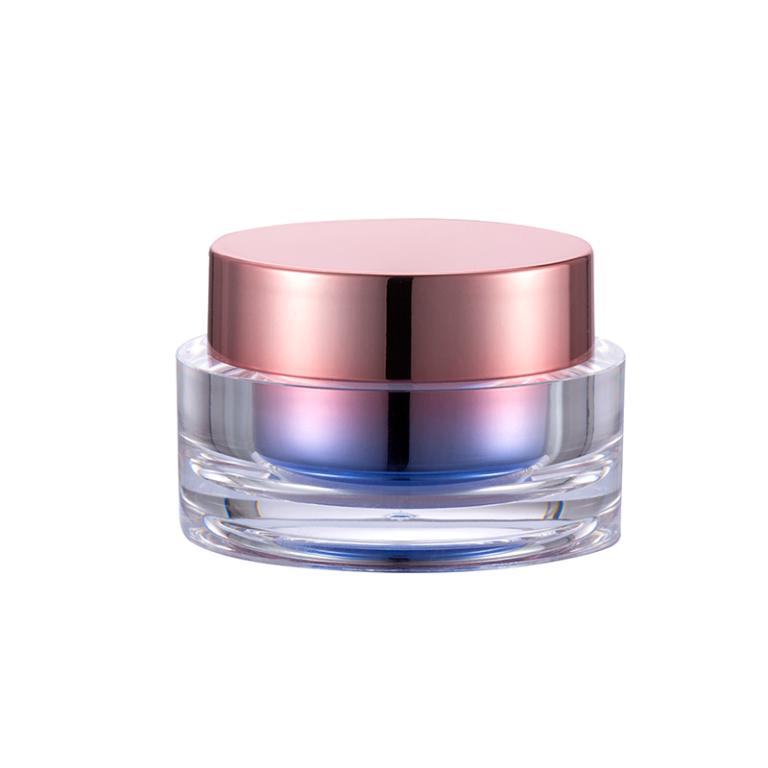
You ever rush out the door, twist a jar, and see product crusted on the rim like it pays rent? That acrylic cream jar on your counter may flex, but it can still fumble the basics. In small shop audits and user chats, we see the same beats: dry-out, loose caps, and wasted scoops—over and over. So why do so many pretty jars still leak time, money, and moisture? Is it the cap? The seal? Or the way we open and close them all day long (with lotion on our hands, no less)? The double-wall shell looks luxe, sure. But torque drift and weak gaskets will call your bluff.
I’ve watched folks try hacks: tape the lid, wipe the threads, stash it upright in a bag. The losses keep coming. A poor seal plus repeated use equals air creep and evaporation. That math stays the same. And if a jar scuffs easy, you start avoiding it in your routine—funny how that works, right? Let’s step through what actually fails inside the package, then stack better choices against the old way. On to the real issues lurking under that lid.
Under the Lid: The Real Issues With 50ml Jars
Why do “pretty” jars underperform?
When folks pick a 50ml pack, the go-to is a 50ml acrylic face cream jar. Look, it’s simpler than you think: most problems start with the closure system. Thread pitch plus weak torque leads to cap “back-off.” That makes micro-gaps. Air creeps in. Moisture sneaks out. Even with a double-wall body, a soft liner or tired gasket can drop seal integrity. Cosmetic finishes add risk too—thin UV coating can scratch, which then shows wear fast and makes people crank the cap harder. Poor fit from uneven injection molding leaves high spots on threads, so you feel grind instead of glide.
Hidden pain point: oxygen exposure. Many jars aren’t built to manage OTR (oxygen transmission rate) over a full month of real use. A jar gets opened 2–3 times a day; it’s basically stress testing the seal. If the liner slips or the neck has flash, you lose consistency at the rim. Another miss is hygiene in scoop cycles. Without a tight seating surface, the inner shoulder builds residue, which then gums the threads. That raises opening torque, and the cap slowly deforms. You end up with a cap that feels snug but isn’t sealing. Small change, big loss—funny how that works, right?
Next-Gen Moves: Turning Jars Into Smart Little Vaults
What’s Next
Let’s stack the new tech against the old habits. Modern thread geometry uses anti-back-off angles to hold torque better under heat and vibration. Linerless compression seals cut slippage and keep a stable seal profile over time. Ultrasonic welding on an inner cup improves seat flatness, so the closure meets a true plane (not just the “good enough” from basic molding). Add tougher UV coating with higher scratch resistance and you keep the jar pretty—and grippy—without over-tightening. Inside matter, too: co-molded inner cups reduce OTR compared with basic PMMA. Some teams even pair vacuum filling with torque testing to dial the sweet spot in production.
Now, bring that to an acrylic face cream jar future. PCR-PMMA is on the rise, and better regrind control keeps clarity while cutting waste. Laser coding adds batch traceability without labels lifting at the shoulder. Thread start markers help users close to spec every time—simple tick marks, less guesswork. The big win is balance: feel luxe, seal tight, and hold up to sun, sinks, and travel. By moving from “make it glossy” to “engineer the interface,” you stop the drip of daily loss. Less drama, more performance—go figure. To choose well, measure what matters: 1) seal integrity under repeated open-close cycles and drop tests, 2) barrier performance across OTR and moisture loss, and 3) usability wear—cap torque after 100 cycles, scratch resistance, and residue build on the shoulder. That’s how you turn a jar into a routine you trust.
These shifts don’t need hype; they need steady specs and honest trials. If you want to see how suppliers are approaching those specs in the real world, keep an eye on partners like NAVI Packaging who speak both design and process without the fluff.
