

Why a focused comparison matters
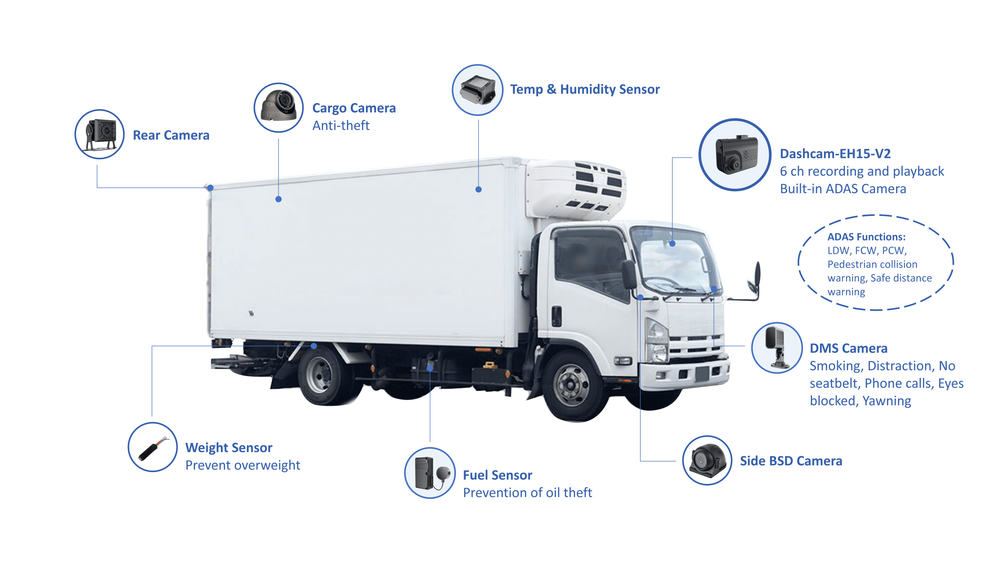
Choosing an AI MDVR must be a matter of clear comparisons, not hopeful guesswork. If you manage vans, particularly for van fleet management, you need to know which box will do the job day after day. Last-mile deliveries often represent roughly half of total delivery costs, so the right recorder and intelligence module must justify itself through fewer incidents, better evidence, and smoother operations.
Core technical categories to compare
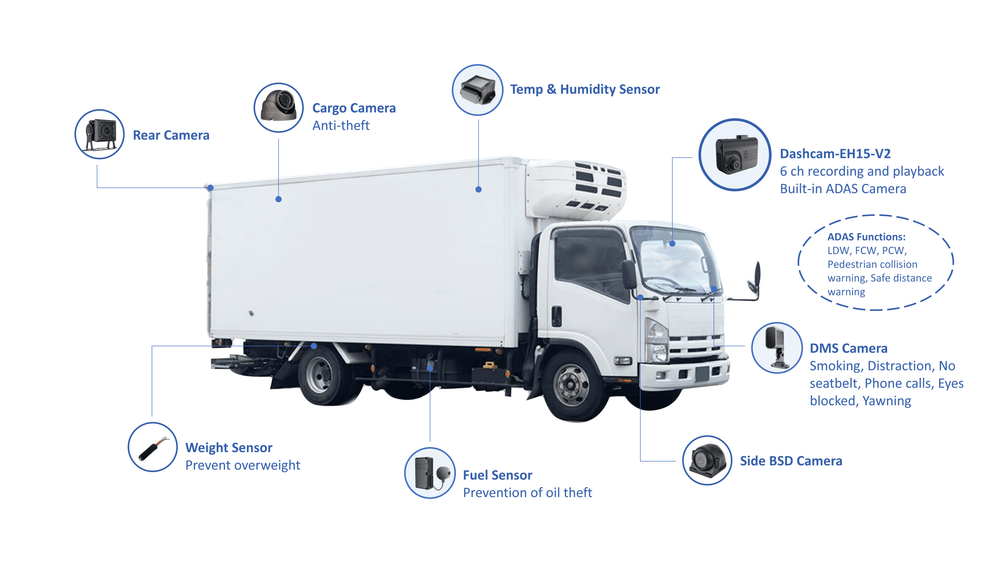
Lay out the competing units across these objective headings and score them against your use case:- Camera channels supported: 4, 8, 16 — note whether channels share bandwidth or each has dedicated throughput. – Onboard AI capability: real-time object/behaviour detection versus raw stream forwarding for cloud processing. – Recording quality and bit-rate control: ability to prioritise pre/post-event clips and reduce constant high-bit-rate drains. – Storage architecture: hot-swappable SSDs, RAID support, circular overwrite policies, plus encryption. – Connectivity and upload strategy: LTE/5G fallback, Wi‑Fi offload, and scheduled sync windows. – Power and thermal design: cold starts, vibration resistance, and regulated power for vehicle electrical noise. – Integration: open APIs for telematics, driver ID systems and dispatch platforms. – Cybersecurity and compliance: secure boot, signed firmware, certificate management, and audit logs.
Trade-offs you must accept and how to choose between them
There’s no perfect unit. You’ll trade channels for compute, latency for accuracy, and cost for support. Decide which loss is tolerable:- If critical events must be flagged instantly at roadside, favour strong onboard AI with fewer channels and proven false-positive controls. – If central review is the priority, select higher channel counts with robust uplink plans and efficient pre/post-event clipping. – If long-haul duty cycles dominate, pick devices with high-capacity, rugged storage and reliable thermal management rather than the latest edge model. Match the device’s primary strength to your operational priority; that simple alignment removes most procurement regret.
Common mistakes that haunt fleets
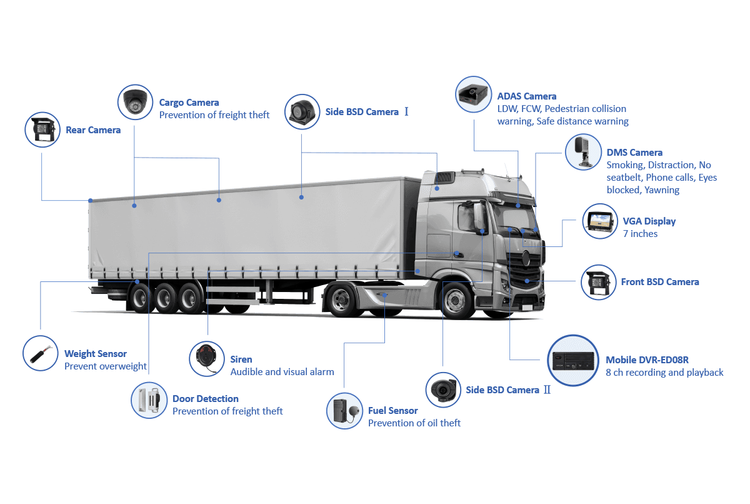
Avoid these repeated errors:- Buying for maximum channels without testing real-world compression settings — you’ll run out of storage or bandwidth fast. – Overlooking firmware update processes; unsupported units end up as security liabilities. – Assuming every vendor’s “AI” is equal — many offer simple motion flags while a few provide contextual triggers that matter for liability. – Neglecting integration testing with your dispatch and telematics; a recorder that won’t handshake with existing systems becomes shelfware.
Alternatives and how they stack up
Compare MDVRs against these substitutes and hybrids:- Single-channel smart dashcams: inexpensive, quick install, but poor situational coverage. – NVRs with remote cameras: good for depot surveillance, weak for moving vehicles without ruggedisation. – Smartphone-based capture: flexible but inconsistent, and poor for evidential chain-of-custody. – Hybrid approach: onboard MDVR for recording and initial AI, cloud analytics for fleet-wide trend detection. When evaluating vendors, consider the complete solution — hardware, firmware lifecycle, and service model — as you would assess a last mile fleet solution.
Practical checklist before you sign
Use this quick checklist at procurement:- Confirm number of cameras needed and validated bandwidth per channel. – Require demonstration of onboard AI on comparable footage. – Get firm firmware-update and warranty terms. – Test drive a pilot fleet for at least 30 days under your operating conditions. – Verify data export formats and chain-of-custody procedures for incident handling. Keep a single responsible contact at the vendor for escalation; that avoids slow handoffs when problems occur.
Final synthesis
Compare objectively: match channel count to camera placement, match AI capability to the events you need flagged, and match storage and connectivity to your duty cycle. Practical evidence from pilots, a clear update path, and open integrations matter more than marketing gloss. When those points align, the device not only records but becomes a reliable operational tool — much like the practical systems offered by BSJ which focus on sensible integration and operational durability.
