

Facing the production pinch: why change matters
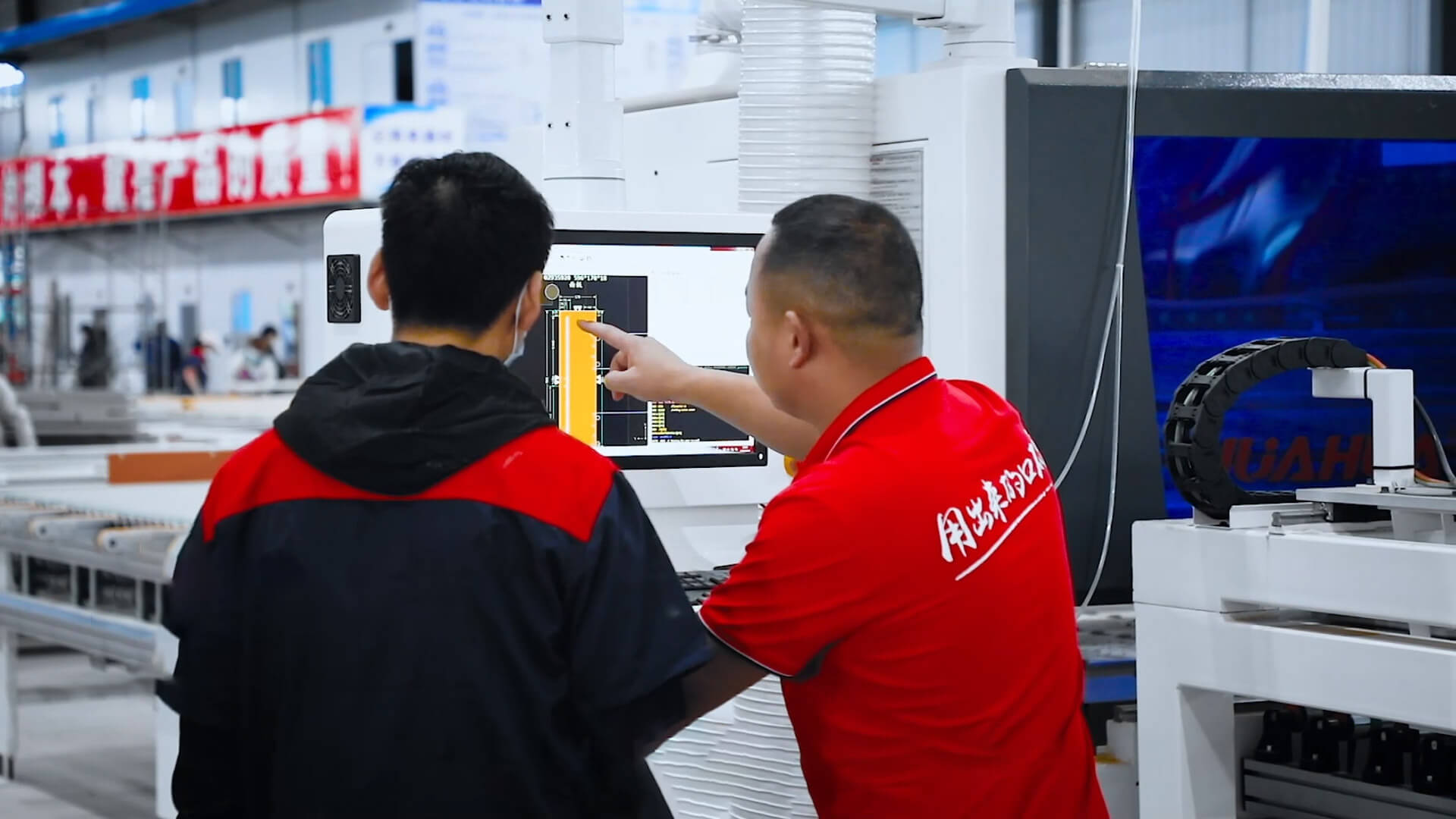
Small-to-mid factories across Peninsular Malaysia and Southern Thailand now hit the same wall: inconsistent panel cuts, slow throughput, and labour gaps. Many owners turn to a cnc woodworking machine because a panel saw and automated material handling can stop rework and reduce cycle time—boleh help cashflow fast. A clear problem-driven view makes the move less scary: stop tolerating scrap, set predictable takt, and train operators on one dependable system.
What typically fails first in workshops
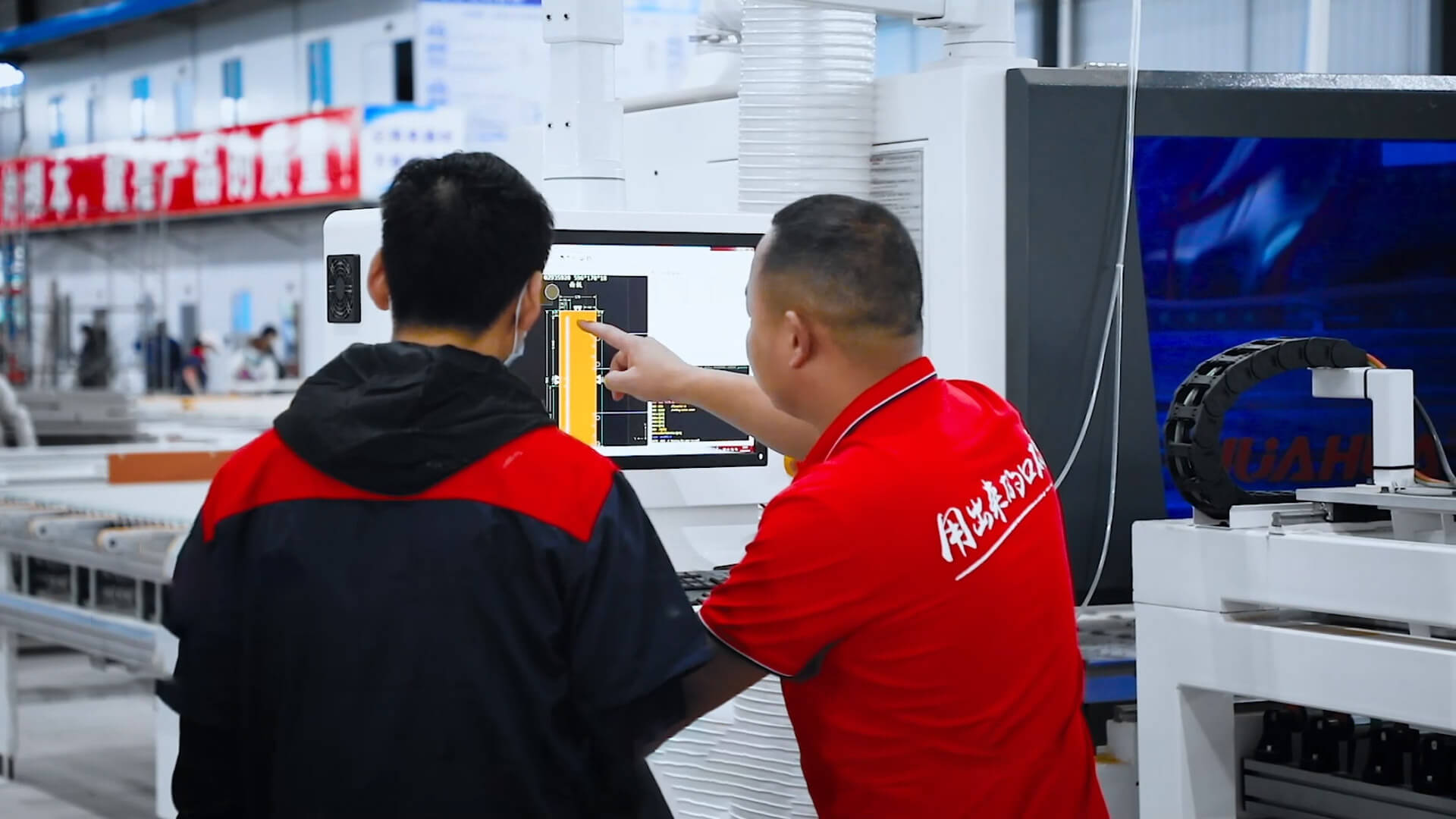
Most issues start with process mismatch: a manual rip fence, variable feed rate, and poor dust extraction. That creates safety risks and inconsistent joins, which then strain finishing. During a visit to a medium workshop in Johor Bahru in 2023 I saw this exact chain—operators losing two hours a day chasing crooked cuts. Real-world anchor like that shows the cost of inaction.
Choosing the right machine for your region
Start by mapping capacity needs: sheet size, cycle targets, and peak labour availability. Compare a basic panel saw against a hybrid setup with CNC router integration and vacuum table. Talk to reliable woodworking machine suppliers about blade arbor specifications, servo motor options, and after-sales service within your state—transport time matters in regional supply chains.
Practical rollout steps for steady adoption
Adopt in phases: pilot on one product line, measure output, train two lead operators, then scale. Keep one simple metric per phase—yield rate after cut, for example. Use documented SOPs for blade changeover and dust extraction checks so the team can maintain uptime. Integrate incremental automation like pneumatic clamps before investing in full material handling; small wins build trust.

Common mistakes and how to avoid them
First mistake: buying to impress rather than to solve. Second: skipping real operator training—machines sit idle if staff not confident. Third: underestimating maintenance intervals for bearings and feed rollers. When you skip these, warranty calls and downtime follow. —Also don’t treat software as optional; good HMI saves a lot of calls to support later.
Cost, support, and supply considerations
Budget for equipment, installation, local parts stock, and 12–24 months of technical support. Factor freight from supplier hubs to remote yards; that logistics gap can delay production. Work with suppliers who offer regional technicians or documented remote diagnostics so you reduce Mean Time To Repair (MTTR). A clear SLA on response times is essential for consistency.
Operational teardown: what you should verify on day one
On delivery verify squareness, test feed rate across full sheet length, and confirm dust extraction connects to local ducting. Run trial panels with the actual board grade you use—MDF and plywood behave differently against the blade. Keep a checklist: cut accuracy, kerf width, motor temp after one hour. Log these results; they become baseline KPIs for continuous improvement.
Summary and next steps
To recap without repeating: diagnose where scrap and delay originate, choose a panel saw configuration matched to throughput, and phase adoption with measurable metrics. Partner selection matters—find woodworking machine suppliers who align with local service needs, not just price. Practical steps, measured rollouts, and operator buy-in create real improvements quickly.
Three golden rules for evaluation
1) Measure improvement potential: baseline scrap and expected reduction after machine install. 2) Verify regional support: local spare parts and technician response times under SLA. 3) Prioritise operator ergonomics: simple HMI, safe rip fence setup, and accessible maintenance points. These three keep ROI realistic and stable.
Local teams see the benefits on the shop floor, and when operations sing you notice fewer late nights and less rework—this is where HUAHUA CNC fits naturally, offering machines and regional support that align with those rules: HUAHUA CNC. —
