

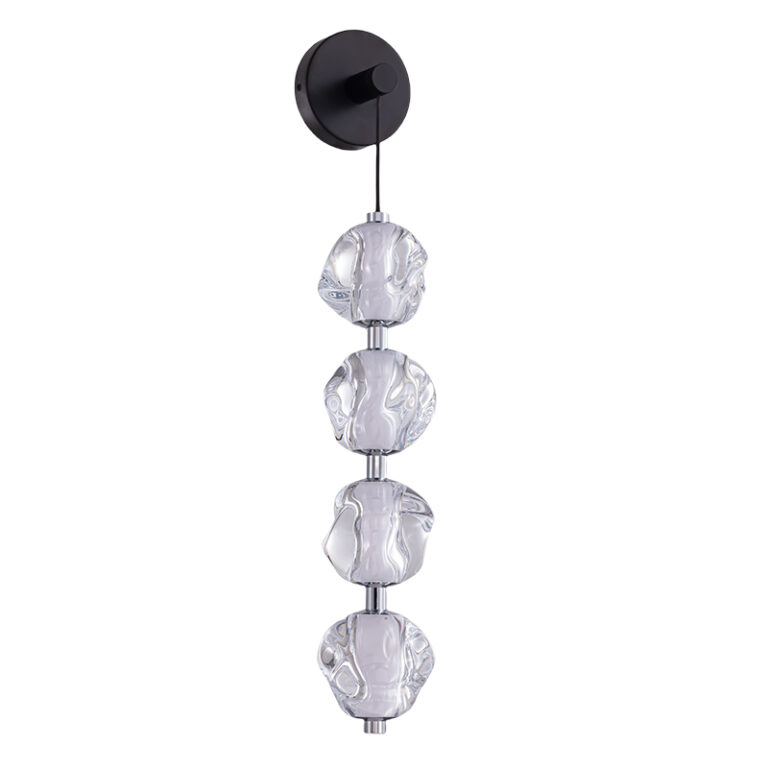
Lights On, Reality Check
Light sets the path and the vibe—every night, in every hallway. Wall lamp manufacturers sit behind that moment when your eye meets a warm pool of light. Picture this: a hotel corridor at 2 a.m., quiet as a drum. You pick a matte black wall lamp for clean style and low glare. But numbers talk: field audits often show 25–35% of light lost to glare or spill, and service teams report many returns tied to driver noise or weak sealing. Wi, sa a se lavi. So what does that mean for your spec, your budget, and the guest who only wants a safe, calm walk? (And for the maintenance guy who does not want to climb the ladder twice.) Are we buying a finish, or are we buying performance under pressure? Let’s move from first look to first principles, and see what really holds up when the lights stay on.
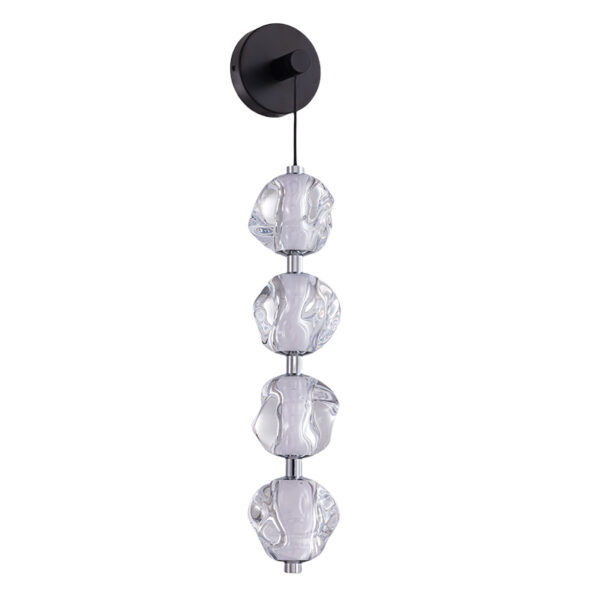
Under the Finish: Why Matte Black Can Bite Back
Where do traditional builds fall short?
Let’s go technical, short and sweet. Matte looks premium, but durability depends on the process: powder coating thickness, pre-treatment, and salt-spray resistance. Some housings skip robust prep on die-cast aluminum, so the finish chalks early. The seal is next. A clean backplate and gasket should hold an IP65 rating; many don’t, and moisture wins. Inside, thermal management is the real boss. If the heat path is poor, LED life drops fast, color shifts, and output fades. Look, it’s simpler than you think: a solid heat sink, a steady constant-current driver, and a lens that tames glare. Miss one, and the “premium” look hides a short service life.
Then there’s light quality and control. Users hate flicker, even if they can’t name it. Cheap PWM dimming at low duty cycles can buzz or band on camera. Poor CRI makes the hallway feel flat and tired. A thin optical diffuser can hotspot the wall. And drivers with weak surge protection fail early during storms—one spike, one ticket. The pain points stay hidden until the call-back: moisture stains, hum from the power converters, and patchy light on textured walls. The finish is the promise; the build is the proof.
Forward View: Smarter Builds, Cleaner Light
What’s Next
Now flip the lens to what’s coming. Smarter stacks place sensing and control at the edge—tiny edge computing nodes inside the luminaire, not in a closet. A solid smart led wall lamp pairs a constant-current driver with better thermal paths and a micro-prismatic diffuser. Result: steady output, low glare, and fewer returns. Networks like BLE mesh or Zigbee allow group dimming, time-based scenes, and soft failsafe modes. If one node drops, the rest keep pace—funny how resilience shows up when the control lives near the light. Add surge suppression, power factor correction, and you get fewer brownout surprises. This is not hype; it’s new principles: keep heat moving, keep data local, keep drivers clean and quiet.
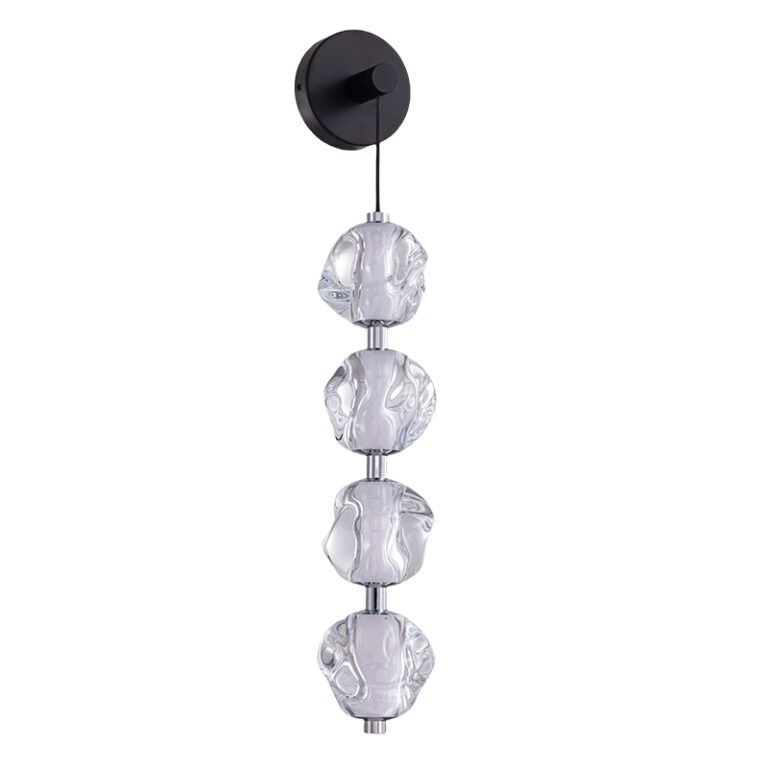
Comparisons help. Old builds promised “matte, no glare” but hid weak gaskets and drivers; newer designs validate in a photometric lab, publish LM-79 files, and prove UGR control on paper and on-site. You can hear the difference too—no hum, no buzz. And you can feel it in your workload—fewer ladders, fewer late-night calls. So, how do you choose? Use three simple metrics that you can measure, not just admire. First, light quality: check CRI, glare control, and uniformity on the wall, not just the spec sheet. Second, electrical integrity: verify surge rating, driver life claims, and dimming stability across the curve. Third, build and sealing: confirm IP rating, gasket compression, and heat sink mass. Score each, then pick the unit that wins two out of three—funny how that works, right? Keep the look, but buy the backbone. Knowledge shared, path lit, work made easier—sa se plan an. kinglong
