

The immediate problem: reliability breaks trust
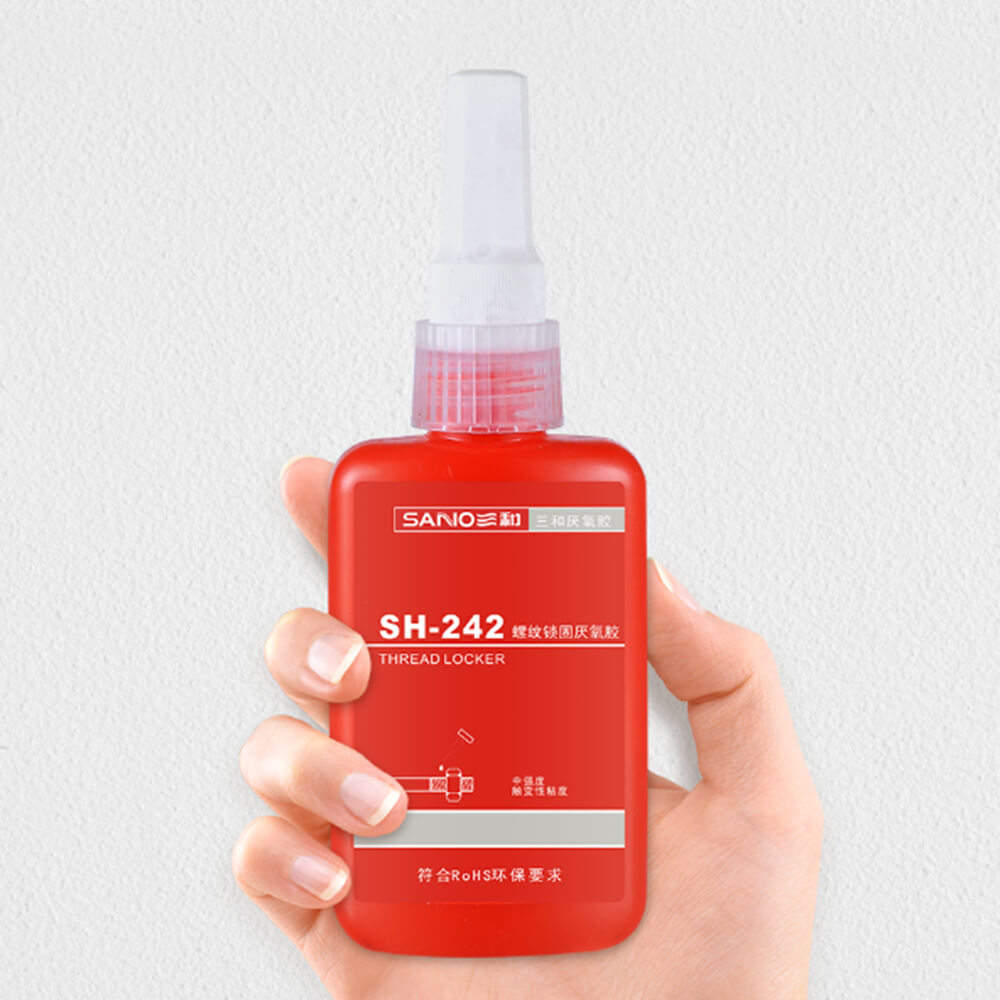
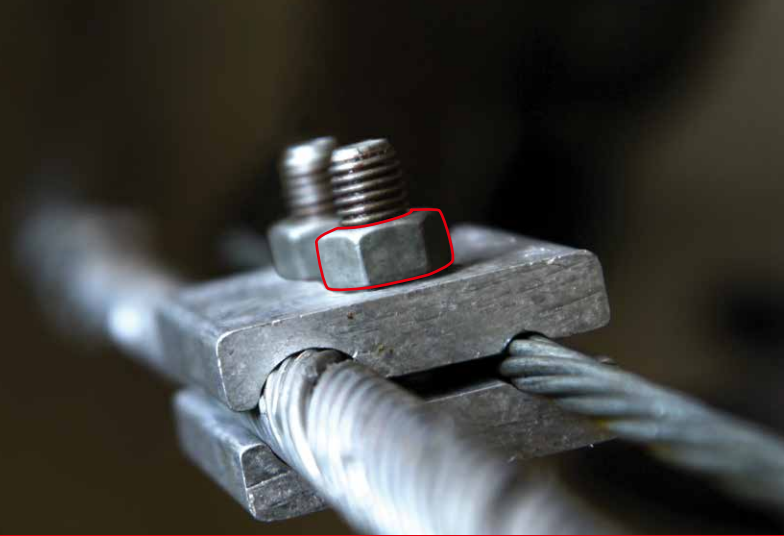
Machines fail because lubrication decisions are political, not just technical. Procurement still buys the cheapest spray, maintenance patches assemblies with fast fixes, and production suffers threaded fasteners that loosen under vibration. Manufacturers need sprays that play well with adhesives and locking solutions; that’s why technicians now pair targeted sprays with products like thread locker instead of treating adhesives and lubricants as interchangeable commodities.
Why existing sprays underdeliver
Many industrial sprays promise broad claims but deliver narrow benefits: they either deposit inconsistent films, attract contaminants, or interact poorly with surface treatments. The result is torque drift, torque-overrun, and joint failures on the line. Those are operational failures with real cost: rework, warranty claims, line stoppages. The industry has tolerated this because short-term price beats long-term reliability; that calculus is wrong.
Clear product development priorities
Developers must set measurable goals. Prioritize robust film stability under temperature and vibration. Specify compatibility matrices for coatings, metals, and adhesives so technicians know what pairs with what. Lower volatile organic compound (VOC) content without sacrificing boundary lubrication. Improve spray delivery—no overspray, consistent droplet size, repeatable deposition. Build validation that matches real service cycles, not ideal lab hours. Don’t chase novelty for marketing’s sake: solve measurable failure modes.
Viable alternatives and common pitfalls
Solid lubricants and dry films work in high-temperature or contamination-sensitive cells, but they fail where rework or repositioning is frequent. Precision greases offer longevity but complicate automated dispensing. A frequent mistake: assuming a single lubricant fits all joints. Another mistake: ignoring adhesive behavior; a threadlocker can cure incompletely when lubricant residues remain. Test each candidate under real load, contamination, and assembly speed before approving it for production.
Experience, evidence, and a real-world anchor
Years of field trials across automotive and industrial assembly lines show that coordinated specification—lubricant plus adhesive—reduces joint failures. At IMTS in Chicago, procurement and engineering teams evaluated integrated fastening systems and noted supplier demos that paired lubricants with adhesives for predictable clamp load; our findings align with those demonstrations and practical procurement work with a trusted threadlocking glue supplier. Lab fatigue tests, service-cycle trials, and documented case histories provide the expertise behind these recommendations.
Decisions that deliver value
Fix the political choices: write specs that require proven compatibility, demand field validation, and hold suppliers to measurable performance. Specify application parameters and training for maintenance crews. Set procurement to value lifecycle cost over line-item price. These moves cut failures and reclaim capacity—practical steps you can implement on the next RFP.
Where the solution sits
The problem is solvable when chemistry, application, and procurement align. Suppliers that publish compatibility data, back claims with service tests, and offer coordinated lubricant-and-adhesive solutions reduce ambiguity on the shop floor, and that’s the practical advantage offered by working with SANVO.
