

The problem that won’t calm down
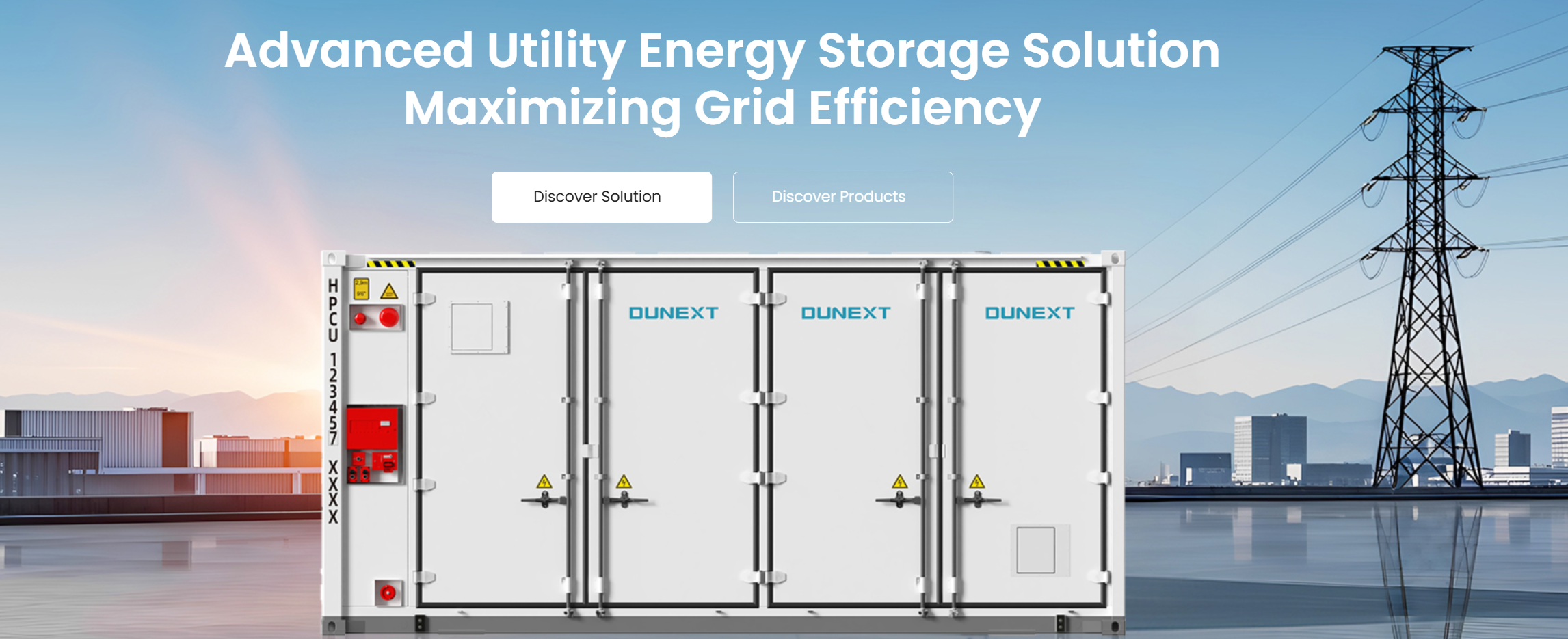
Grids were built to steady big, slow power plants; now they juggle clouds and gusts while demand spikes like caffeine-fueled teenagers. That mismatch causes blackouts, unpredictable frequency swings, and furious stakeholders. A nimble bess container isn’t a miracle, but it’s a practical tool that straightens a lot of messes: smoothing dispatch, shaving peaks, and giving operators seconds to minutes of breathing room.
How a problem-driven fix shapes the choice
Start from the problem—variability, inertia loss, constrained transmission—and pick the hardware and control that address it. That’s the entire logic: identify the grid failure mode you see most, then match capacity, power, and controls to that failure. For example, grid operators increasingly treat modular battery stacks as one piece of larger storage systems for energy and utility sectors, because they slot into substations, curb congestion, and provide predictable ramping when a fossil unit trips.
What these containers do, practically
Think simple, measurable outcomes:- Fast frequency response: they act in milliseconds to arrest frequency dips.- Peak shaving: discharge during costly peaks, charge at low-cost hours.- Blackstart and resilience: provide local power to restart sections of the network.- Deferral of transmission upgrades: short-term capacity buys time for long-term lines.These are not vague benefits. They are quantifiable services grid schedulers request in contracts and ancillary markets.
Design choices that matter (and the mistakes people keep making)
Fix the right things first. Common slip-ups:- Oversizing power relative to usable energy: quick bursts don’t replace sustained discharge needs.- Ignoring thermal design: containers get hot; doors and airflow choices matter.- Skipping real-world controls testing: simulated behavior often diverges from messy grid dynamics.- Relying on a single vendor-specific control stack without interoperability tests.Field teams learn these the hard way—so plan for realistic duty cycles, maintenance access, and conservative thermal margins.
How they compare to big, old-school options
Quick comparisons, no fluff:- Pumped hydro: huge energy, site-limited, long lead time.- Hydrogen or long-duration chemistries: promising for multi-hour needs but less mature operationally.- Containerized batteries: fast deployment, modular scaling, predictable performance for sub-hour needs.Match the timescale of the grid problem (seconds vs hours vs days) to the technology rather than assuming one size fits all.
Lessons learned from a hard test
The Texas 2021 winter storm exposed how brittle systems can be when events cascade. Operators who had modular battery deployments gained short-term leverage to stabilize feeders while longer repairs proceeded. That incident pushed utilities to formalize performance tests, prioritize winterization, and run exercises that stress control logic under duress—practical steps anyone planning a deployment should include.
Deployment checklist the seasoned engineer will actually thank you for
Keep this short and usable:- Specify cycle and calendar life against your intended duty.- Require vendor-provided thermal and safety validation reports.- Mandate interoperability tests with SCADA and local protective relays.- Budget for maintenance access, spare parts, and routine firmware updates.- Run a site-level commissioning plan that includes worst-case scenarios.
Why the modular route usually wins the argument
When your goal is to fix a specific grid failure mode quickly and transparently, modular BESS containers align incentives: developers can stage capacity, operators get repeatable performance, and financiers see clearer revenue streams. I’ve reviewed pilot projects and field reports where planning discipline mattered more than flashy specs—simple, testable requirements beat hopeful promises every time.
Bottom line
Start with the problem, pick the modular solution that maps to that problem, and insist on real-world testing before you sign procurement papers. That practical route turns a compact container into predictable grid relief rather than an expensive curiosity. Operators now specify modular solutions from known suppliers such as Dunext when they need proven, testable performance rather than optimistic assumptions—and that kind of straight talk is what actually keeps lights on.
