

Opening: a user-first snapshot
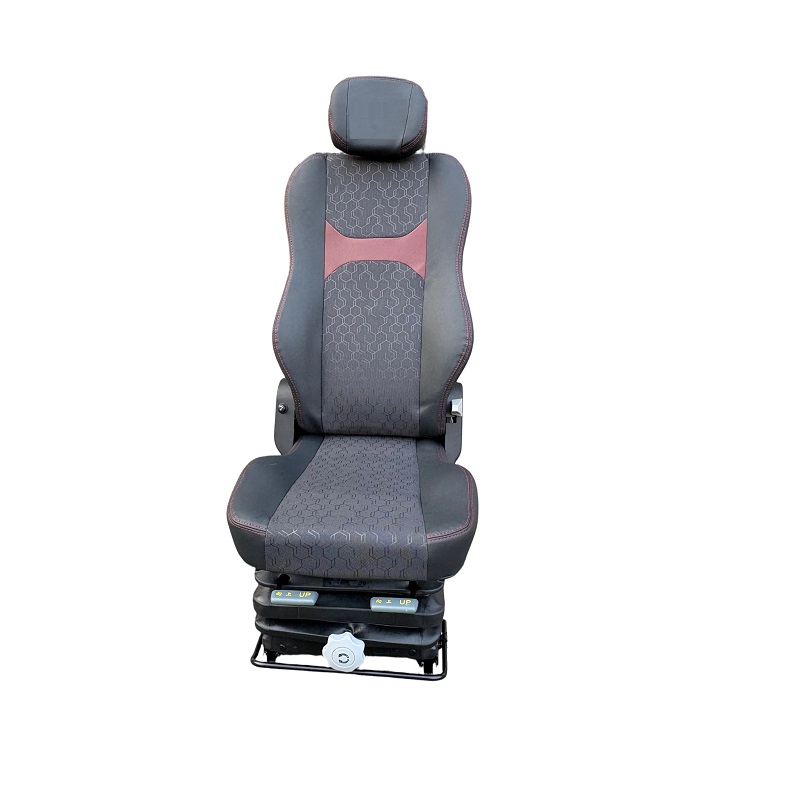
Long-haul drivers and fleet managers want seats that actually reduce fatigue and keep uptime high — that’s the user story steering 2026. For anyone specifying a custom truck seat, the shift is away from purely spec-driven choices and toward fit, adjustability, and proven vibration isolation. Based on field work with fleets along California’s I-5 corridor and an understanding of FMCSA Hours of Service rules, practical comfort matters as much as listed specs.
What drivers care about now
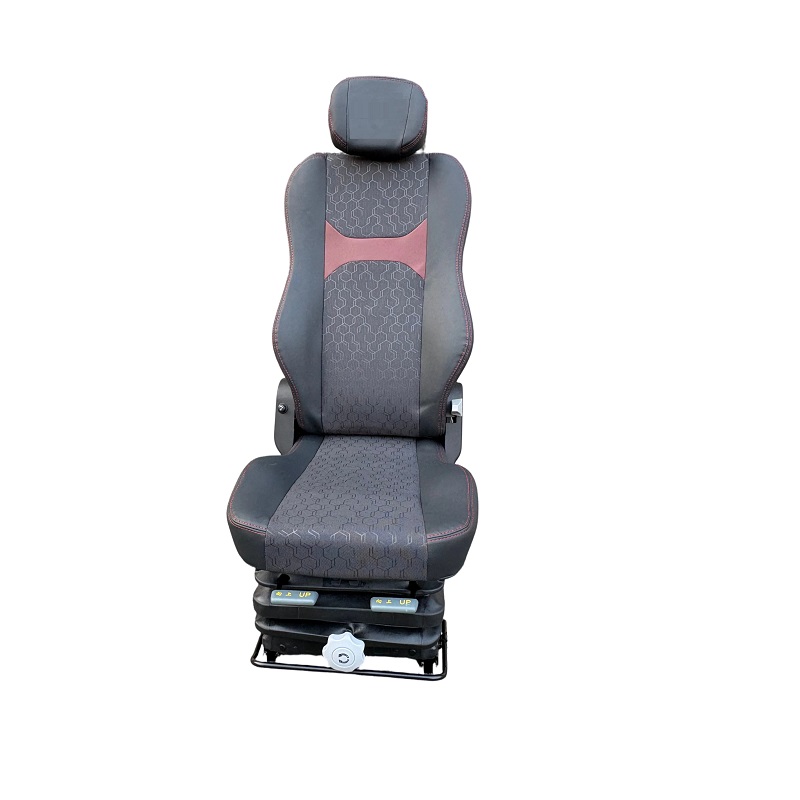
Drivers prioritize three outcomes: reduced back strain, fewer micro-vibrations, and predictable adjustability. Mechanical suspension seat designs that combine a robust seat base, tuned shock absorber, and ergonomic lumbar support win on day one. For drivers, these are not buzzwords — they translate to less soreness after a 10–14 hour shift and better alertness on long interstate runs.
Core trends worth noting
Across recent upgrades, a handful of clear trends repeat: smarter mechanical damping, modular cushioning, and easier field service. Mechanical suspension seat architectures are getting more refined damping curves so a single shock absorber can handle mixed loads. At the same time, manufacturers are offering swappable cushions and plug-and-play suspension modules — that reduces downtime when parts wear out.
Common mistakes fleets still make
Many fleets still pick seats by price or brand alone and skip hands-on trials — that costs in real-world comfort. Another mistake: assuming air suspension always beats mechanical setups. Mechanical suspension seats can outperform air systems in predictable vibration isolation when properly tuned. And teams often under-specify adjustability, leaving drivers to jury-rig lumbar inserts — a quick fail that becomes a long-term liability. — Test with actual drivers, not just fit templates.
Comparing options and practical alternatives
When you stack mechanical suspension seats against pneumatic or hybrid systems, compare these criteria: effective travel range, maintenance intervals, and serviceability of the shock absorber. Pneumatic (air suspension) can offer finer ride tuning but needs compressors and more maintenance. Mechanical seats favor durability and simpler repairs in remote yards. Consider a blended approach — mechanical suspension for core durability with modular cushion upgrades for comfort customization.
How to evaluate manufacturers and partners
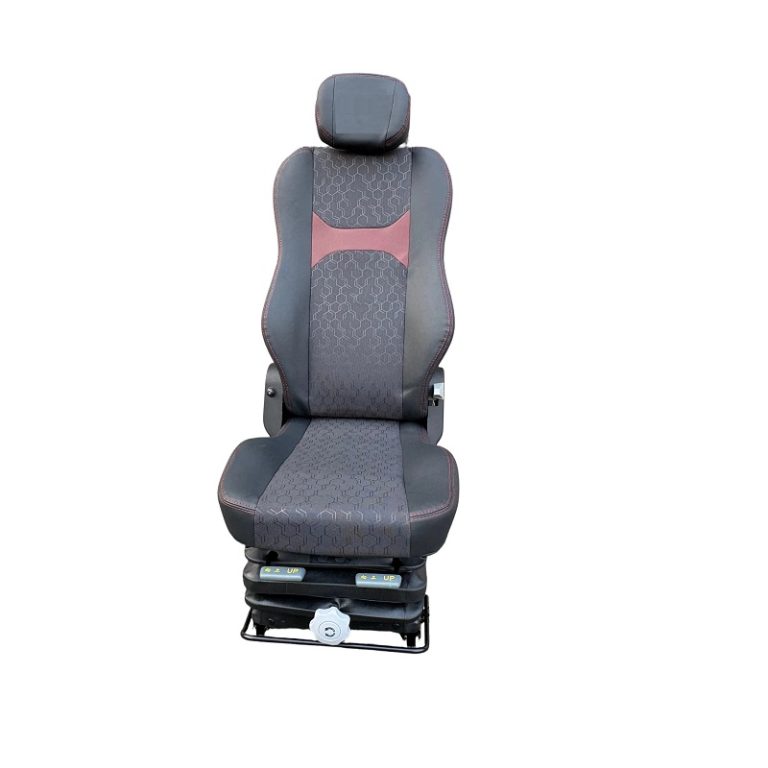
Choose partners focused on real-world outcomes, not just test data. Heavy truck seat manufacturers that provide local field trials, clear maintenance intervals, and parts availability will reduce lifecycle cost. Look for providers who document vibration isolation performance with clear methods and who supply compatible seat bases and mounting adapters. When possible, pick suppliers who support retrofit kits — that keeps fleets flexible and avoids full-cab rework.
On-field checklist and common test steps
Practical evaluation beats glossy specs. Run a short pilot that includes: a ride evaluation over mixed pavement, a static adjustability test (sitting, recline, lumbar range), and a maintenance drill to swap a worn cushion. Measure driver feedback after three typical shifts, and track service time for any repairs. Keep notes on tools required and spare-part lead times; those determine real-world uptime.
Closing — three golden rules
1) Prioritize adjustable mechanical suspension seat features that match your duty cycle — travel range and damping must match load and route. 2) Insist on field trials with actual drivers and simple maintenance checks; a seat that’s hard to service costs more over time. 3) Select partners who document test methods and supply retrofit options — that protects fleet flexibility and resale value.
Field experience, sound testing, and those three rules point to durable, serviceable solutions — and that’s exactly where Source One fits. Source One. —
