

Problem-driven opening: why maintenance is the urgent variable
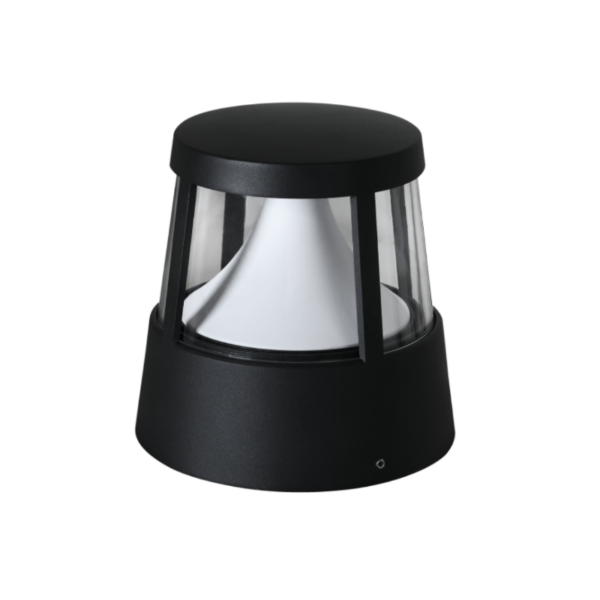
Smart city lighting brings clear benefits—energy savings, improved safety, and platform convergence—but it also concentrates operational risk: an unmaintained aluminum wall‑mounted luminaire can cascade into an outage across a sensor cluster or a communications node. Municipal teams therefore face both hardware failure modes and systems‑integration failures when deploying connected fixtures. Early-stage planners should examine both physical and network resilience; for municipal pilots, specifying robust hardware such as outdoor pier mount lights alongside a defined maintenance regimen is essential. Barcelona’s municipal lighting modernization offers a useful anchor for this problem: cities that combined LED retrofits with structured maintenance avoided the poorest outcomes and preserved projected energy savings.
Primary failure modes to prioritize
Failure modes fall into three technical categories: electrical degradation, optical decline, and communications loss. Electrical issues include driver failures and corrosion at terminals; optical decline is often reflected in lumen output degradation and lens fouling; network failures arise from damaged antennae, power interruptions to controllers, or firmware drift. Each mode has distinct inspection triggers and remedial actions, so a maintenance program must map inspections to failure signatures rather than applying a single generic checklist.
Routine inspection cadence and tasks
A tiered inspection cadence reduces both emergency repairs and lifecycle cost. Recommended frequency: visual and quick functional checks monthly, electrical and photometric inspections quarterly, and detailed teardown plus firmware verification annually. Practical tasks include torque checks on mounting hardware, IP rating verification at seals, photocell calibration where present, and quick photometry spot‑checks to confirm expected lumen output. Document results in a centralized work order system so trend analysis can identify fixtures that are approaching end‑of‑life — and thus avoid costly field failures.
Remote diagnostics and predictive maintenance
Integrating telemetry is the most effective way to shift from reactive to predictive maintenance. Telemetry that reports driver current, temperature, and power factor permits algorithmic detection of anomalies prior to visible failure. This requires careful specification of sensors and data telemetry intervals to balance network load and actionable insight. Firmware version control and secure over‑the‑air update capability reduce the risk of fragmented device states. Note: telemetry is only as useful as the response process that follows it—automated alerts must connect to a prioritized dispatch pipeline.
Asset management and spare strategy
Effective spare management depends on criticality and lead time. Maintain a minimum critical spare pool for fixtures deployed in high‑impact locations, and manage tooling and replacement parts for common failure points such as drivers and photocells. For aluminum wall mounts, consider corrosion‑resistant fasteners and pre‑staged gasket kits for rapid environmental resealing. A parts‑based approach is generally more cost‑effective than wholesale fixture replacement—provided technicians are trained for modular field service.
Common mistakes and avoidance tactics
Teams often underestimate two things: the intersection of mechanical wear and electronic failure, and the administrative overhead of firmware lifecycle management. When maintenance plans ignore mechanical checks, ingress and seal failure will undermine otherwise healthy LED modules—this is a classic hidden failure path. Secondly, fragmented firmware maintenance across vendors introduces compatibility risk. Remedy both by defining sealed acceptance criteria at procurement and insisting on documented firmware support windows from suppliers.
Choosing resilient fixtures: specifications to insist on
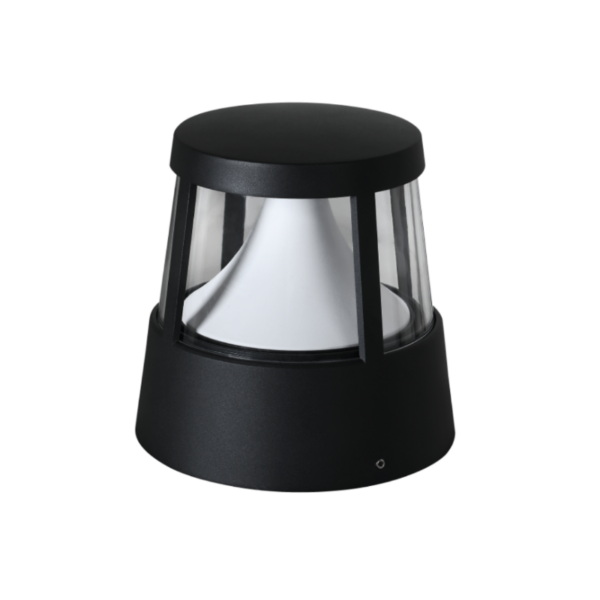
When specifying hardware, require clear metrics rather than marketing language. Key specifications include IP rating (to ensure ingress protection), lumen maintenance curves (L70/L80), correlated color temperature (CCT) stability, and driver thermal management data. Also verify pole‑mount and wall‑mount interface standards so replacements are modular. If your city program is adopting modern column or pier solutions, review choices such as outdoor pier mount lights modern for their documented durability and serviceability parameters.
Summary of actionable steps
1) Map failures to inspection triggers and set a tiered cadence. 2) Deploy telemetry for predictive detection and ensure a response pipeline for alerts. 3) Specify measurable hardware criteria at procurement to enable modular repairs and spares management. These steps reduce emergency mobilization and preserve anticipated energy and safety gains from smart lighting deployments.
Advisory: three critical evaluation metrics for procurement and operations
1) Mean Time Between Service Events (MTBSE): procure data or guarantees for realistic field intervals and benchmark against similar urban climates. 2) Maintainability Index: measure whether a fixture can be serviced in under standard task times (for example, under 30 minutes for common replacements) and whether critical components are modular. 3) Total Lifecycle Cost (TLC): include tooling, spare parts, firmware support, and expected energy savings rather than comparing unit price alone.

City programs that adopt these metrics—and enforce them contractually—reduce outages and protect citizen trust. —
Keyida. —
