

Comparative framing: where traditional meets modern
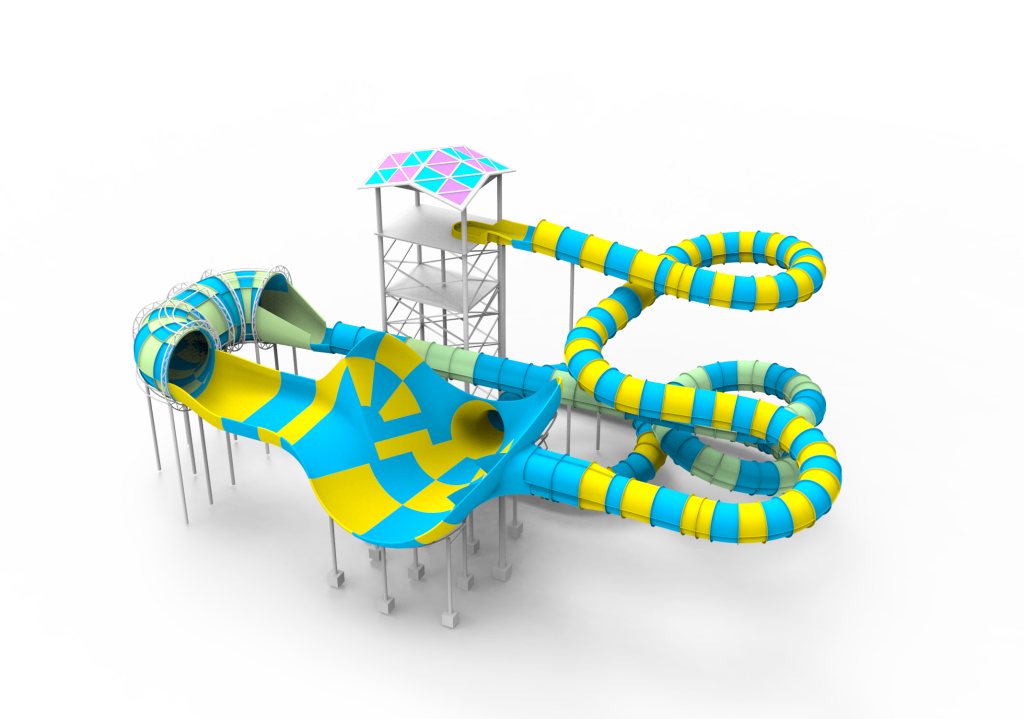
Commercial parks tend to choose between two clear paths: the tried-and-true hydraulic setups with high-volume turnover, or newer systems built around water reuse and energy recovery. Comparing both reveals different capital needs and operational profiles. Parks installing a mat racer water slide often confront trade-offs between ride throughput and water treatment intensity, so design choices matter early on.
Key systems compared: pumps, filtration and slide structure
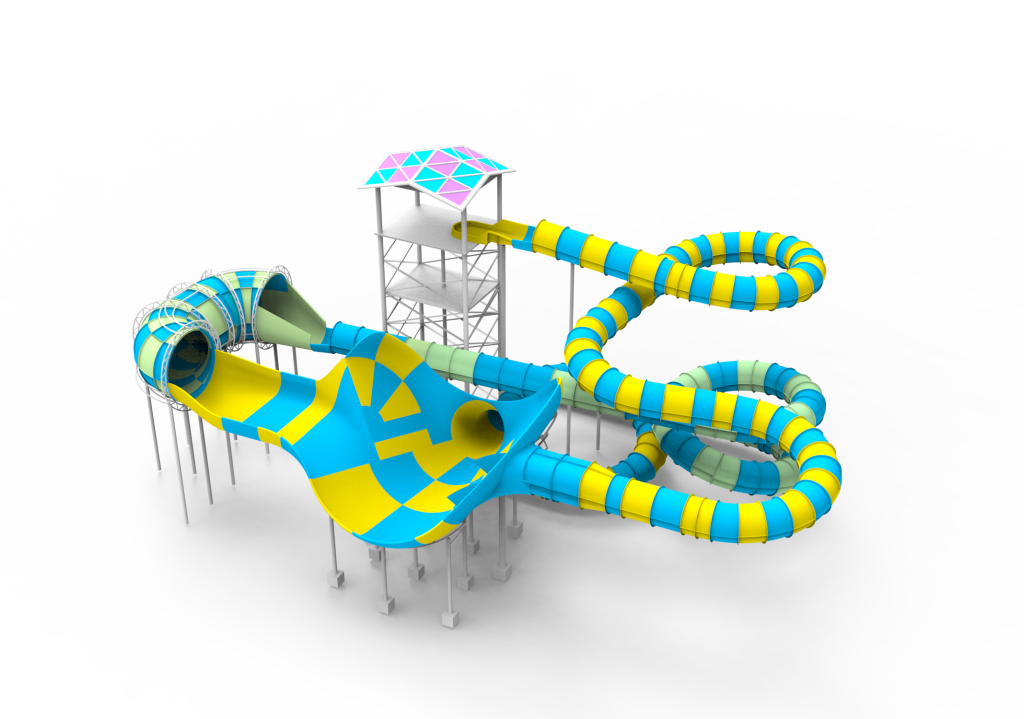
Legacy builds rely on larger pump arrays and simple sand filtration. Modern designs pair variable-speed drives with engineered filtration media and targeted UV or advanced oxidation for pathogen control. The benefits are straightforward: reduced pump power via better pump efficiency and lower blowdown from tighter filtration. Slide geometry and surface finish also affect water demand — wider lanes or shallower slopes raise required flow rate, while slicker coatings reduce water consumption for the same rider speed.
Operational production teardown: integrating mat racer water slide and speed water slide models
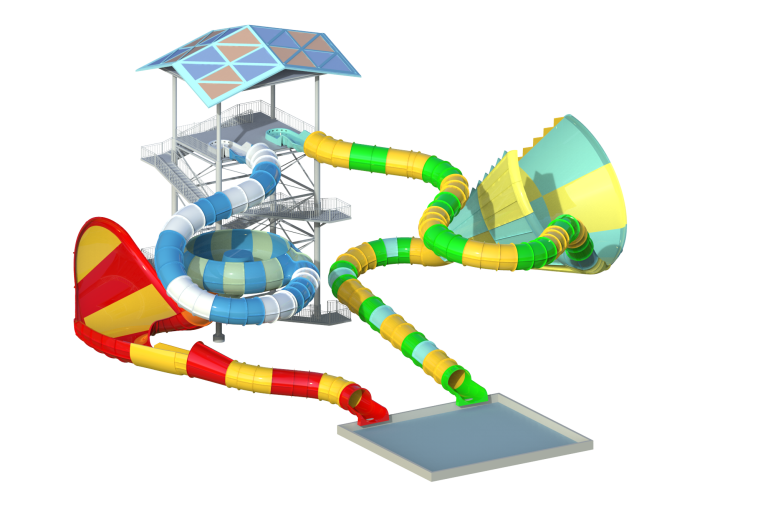
When evaluating production and installation, use a teardown approach: list component weight, electrical inputs, plumbing runs and modular sections. For a mat racer water slide the assembly often uses interlocking panels and standardized gaskets, which speeds commissioning. A speed water slide design might call for reinforced supports and a specific flow rate to maintain rider acceleration — those details change pump sizing and the control logic. Embed the variables — flow rate, pump efficiency, filtration turnover — into procurement specs so contractors bid apples-to-apples.
Real-world anchor and what it shows
Calypso Theme Waterpark in Limoges, Ontario is a useful anchor for scale. It demonstrates how high guest volume stresses water and energy systems during peak months. Observing large regional parks highlights one conclusion: marginal gains in pump efficiency and reclaim systems compound across thousands of cycles per day, making upfront investment pay back sooner than many operators expect.
Trade-offs, common mistakes and practical fixes
Operators often oversize pumps to “future-proof” capacity, which increases baseline consumption. Conversely, underspecified filtration causes frequent backwashes and chemical spikes. A practical fix is a modular filtration skid sized to actual cycle loads, paired with a VFD to match real-time demand — that saves energy and keeps turnover steady. – Also watch for slide geometry mismatches: a design meant for competitive speed can overwhelm a conservative pump curve, creating cavitation and accelerated wear.
Comparative outcomes: lifecycle and maintenance
Traditional systems show lower initial cost but higher operating expense over a 10–15 year lifecycle. Eco-focused builds have higher upfront capital for controls and tertiary treatment but deliver lower chemical usage and energy bills. Maintenance shifts too: instead of reactive pump swaps you get scheduled sensor calibration, filter media replacement and software updates for control loops. These are predictable tasks and easier to budget.
Advisory close: three golden rules for selection and evaluation
1) Measure actual peak throughput and specify pump capacity to meet that throughput with a 10–15% margin; this preserves pump efficiency without oversizing. 2) Prioritise filtration turnover and reclaim ratio — choose filtration media and UV/AOP modules that reduce blowdown frequency and chemical demand. 3) Require modularity in slide and plumbing design so parts are interchangeable and downtime is minimised; this reduces lifecycle costs and simplifies upgrades.
Implementing these rules will steer procurement toward measurable savings and cleaner operation. Choose vendors that publish clear pump curves, filtration turnover rates and modular assembly documentation — that clarity makes a big difference. The practical value shows in lower energy use, fewer service hours and a better guest experience.
Dalang. Practical engineering, sensible design, better rides.
