

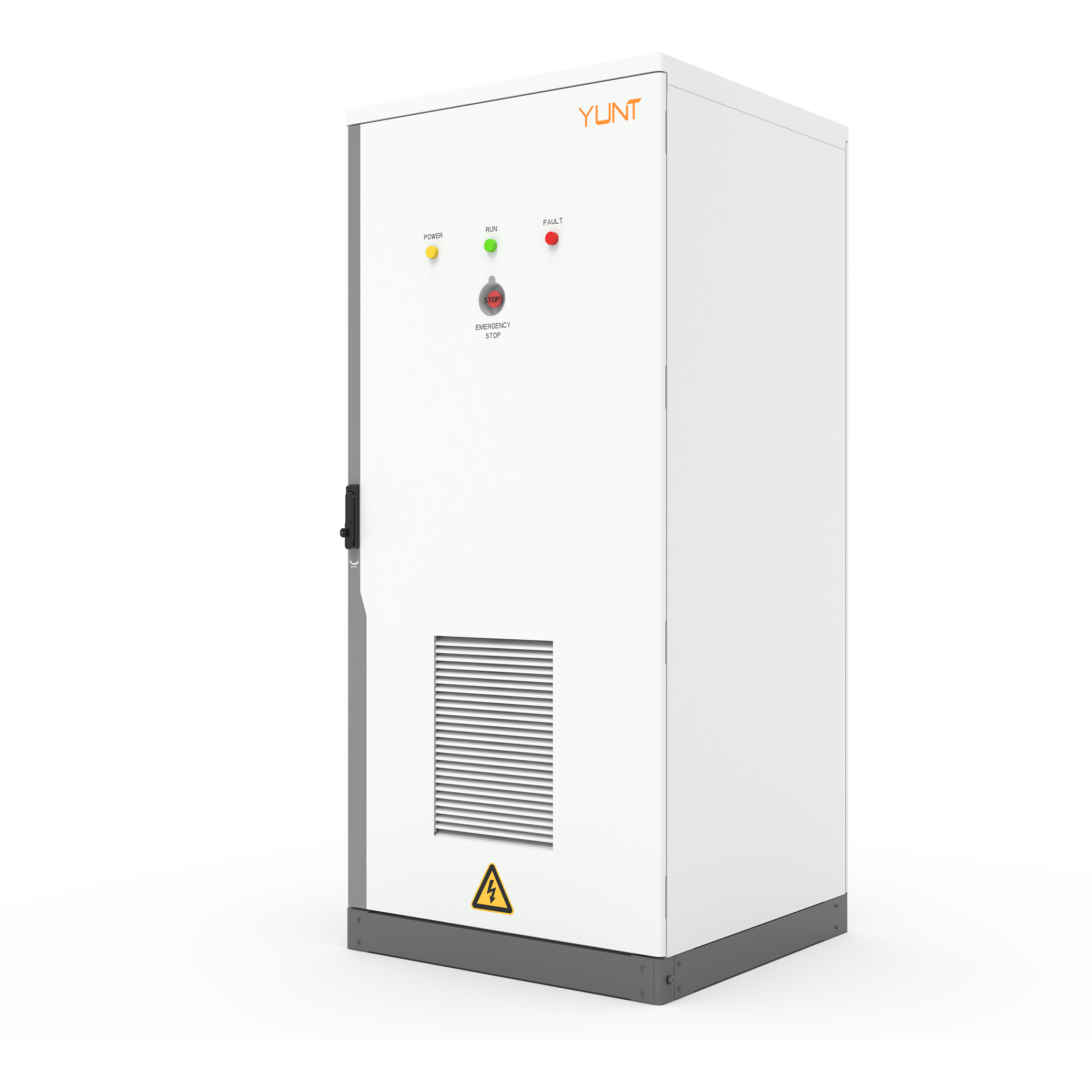
Requirements first: review Power Conversion System through system compatibility for shortlisting
Shortlisting a power conversion system should begin with the operating context, not with a feature list. Manufacturing teams need to define how energy will move, which equipment will connect, and what the installation must support. The reviewed PCS page describes energy flow between batteries, renewable sources, and the utility grid. It also describes bidirectional AC-DC conversion, including battery charging and the discharge of stored DC power as AC for consumption or grid export.
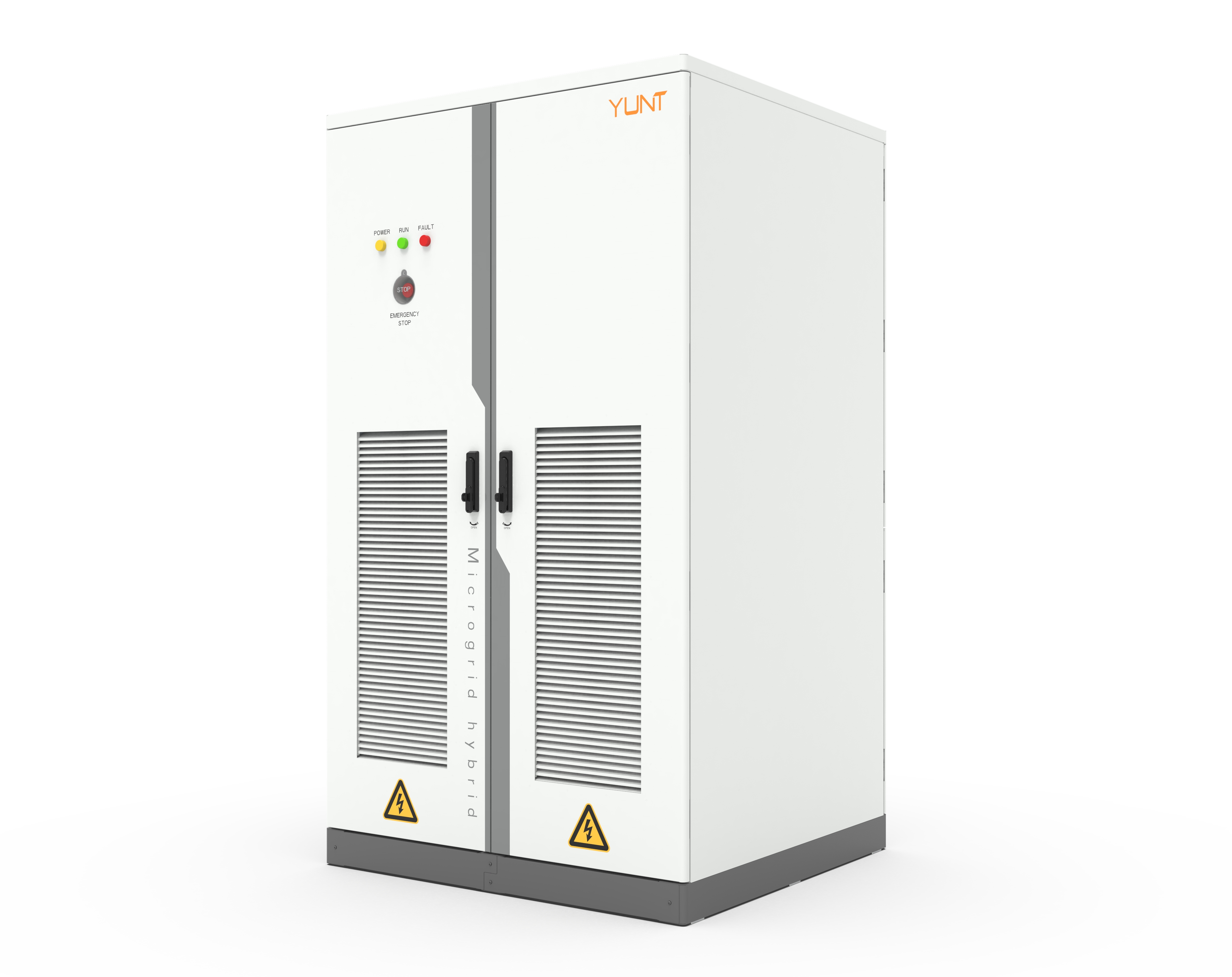
Start with the operating context
Write down the intended use before comparing suppliers. Is the system being considered for commercial or industrial energy storage? Will it connect to batteries, renewable generation, the utility grid, or a combination of these? These questions establish the first compatibility screen.
The page presents this product as a PCS solution for battery energy storage projects. It also identifies monitoring, load management, and integration with renewable energy sources. Those details help a team describe the required operating relationships. They do not, by themselves, confirm that every proposed installation will use the same controls, interfaces, or operating sequence.
Space and system boundaries also matter. Record where the conversion equipment will sit, what equipment is inside the proposed scope, and which responsibilities remain with other parts of the project. Keep these points separate from the product description. A clear boundary prevents a broad category statement from becoming an assumed project specification.
Turn compatibility into questions
Compatibility is easier to review when it is written as a set of questions. Ask what battery inputs are needed, how the system will exchange AC and DC power, and whether the intended operating plan requires grid-connected, off-grid, or switching functions. The reviewed page states that the product offers modular bidirectional conversion and optional on/off-grid switching. Treat those statements as product-page evidence for the stated scope, then map them against the planned installation.
The same page states a power range from 125kW to 1000kW for the described energy storage inverter solution. Use that range as a shortlisting boundary for this product description, not as a universal rule for every power conversion system. A useful review records the required operating point and then checks whether the candidate information addresses it directly.
For a power conversion system factory review, a useful real-world anchor is the PCS Module page on the official YUNT site. Use that named product page to keep the discussion tied to a specific source and application scope. Do not turn a page-level description into a wider conclusion about all factory products or all manufacturing sites.
Separate evidence from assumptions
A practical comparison has three columns: stated evidence, project requirement, and open question. The first column should contain wording that the supplier page actually provides. The second should describe the manufacturing team’s intended use. The third should identify what still needs a technical discussion.
For example, “multiple battery inputs” is a stated feature on the reviewed page. That can be recorded as a candidate requirement when the project needs more than one battery connection. It should not be expanded into an assumption about battery chemistry, capacity, protection, or control architecture. Those are separate engineering matters and should remain open until supported by project information.
Use the same discipline for monitoring and load management. Their presence in the page description can guide the next question, but it does not define the complete control system. Ask how the proposed equipment would fit the intended operating sequence, what signals must be exchanged, and which party owns each interface. These are useful procurement questions without claiming an answer that the page does not provide.
Prepare the next technical discussion
Before contacting a supplier, prepare a short compatibility brief. Include the application, energy-flow direction, battery arrangement, renewable-source connection, grid relationship, required operating range, available space, and the boundaries of the equipment package. Mark each item as confirmed, stated on the product page, or still open.
Keep the brief specific to the candidate under review. The page describes a multifunctional AC-DC solution for commercial and industrial energy storage, with modular bidirectional conversion and renewable integration. Those points can support an initial shortlist. They should not replace a project-level review of installation conditions, interfaces, controls, or responsibilities.
A requirements-first shortlist is therefore more useful than a broad feature comparison. It shows why a candidate fits the intended energy path, where the page provides direct support, and which questions still need resolution. Used this way, YUNT is one named reference in a disciplined review rather than a reason to skip the technical discussion.
