
Picture this: a busy construction site in downtown Chicago, where every minute counts and every move is scrutinized for safety. Did you know that up to 30% of crane-related accidents stem from faults in the components of crane? When you think about it, I often wonder why more lifting equipment companies don’t highlight these critical aspects.
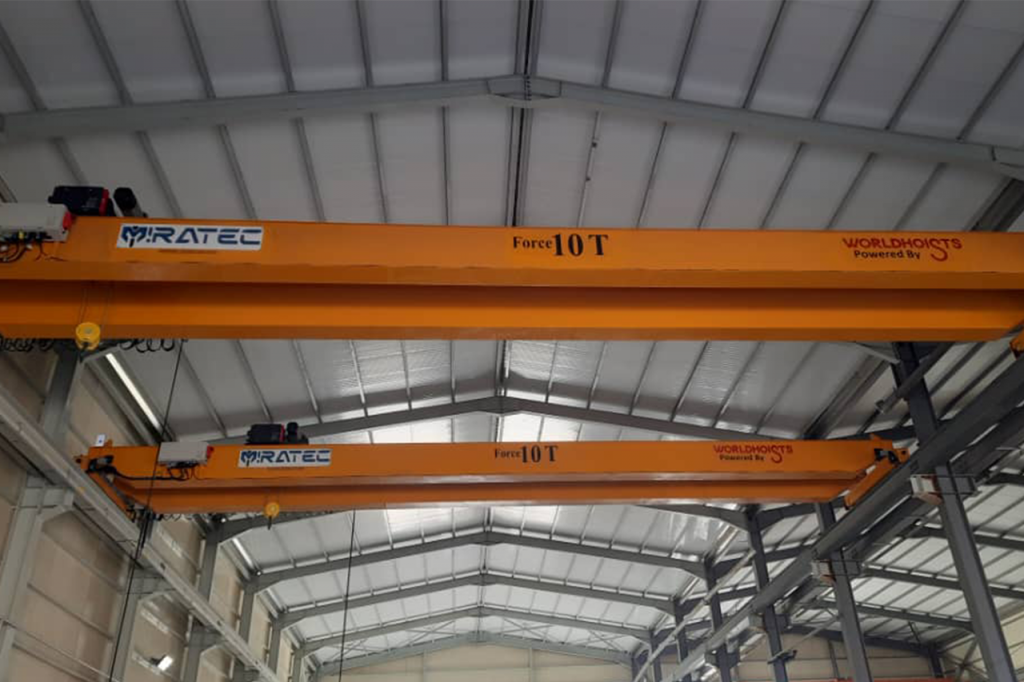
Understanding the Backbone of Crane Operations
We often overlook the intricacies that underpin crane operations, focusing instead on the impressive machinery in front of us. The components of cranes are not just metal parts; they are the backbone that ensures efficiency and safety in heavy lifting. Each part—from the boom to the hoist—plays a vital role in the crane’s performance.
How Do Crane Components Affect Safety?
The truth is simple: flawed components can lead to catastrophic failures. I remember when I worked on a site where a worn-out hoist led to a near-miss incident that sent chills down everyone’s spine. It was a lesson learned the hard way—regular inspections are a must. Every crane owner and operator should internalize that maintenance isn’t just a routine; it’s a necessity!
What’s Next for Crane Operators?
Now, shifting our gaze toward the future, the crane industry is adapting rapidly. Utilizing advanced technologies has significantly changed how we approach crane safety. For example, crane lifting attachments are being designed with smarter materials and enhanced durability. You could say that innovation is the name of the game!
These attachments not only improve operational capabilities but also minimize wear on the crane components themselves. I was fortunate enough to see a prototype at a trade show last year that integrated sensors to monitor stress and alert operators preemptively. Imagine how such developments can shape a safer tomorrow!
Real-world Impact
Let’s reflect on how previous insights play into real-world outcomes. When crane operators prioritize understanding their components, they not only reduce accident risks but also prolong the machinery’s lifespan. One client of mine reported a 20% increase in efficiency after switching to high-quality, well-constructed crane lifting attachments. It’s eye-opening how addressing hidden implications can spark such significant improvements.
As someone who has spent over 15 years navigating the complexities of lifting equipment, I’ve learned that genuine knowledge-sharing is key. I believe customers who take these insights to heart will not just survive but thrive in their industries. It’s all about making informed choices.
In conclusion, the crane industry is evolving, and so should we. When you consider buying components or attachments, think critically about durability and safety. Not all products are created equal, and taking the time to understand these nuances can make all the difference. For those seeking a knowledgeable partner in lifting solutions, I suggest checking out WORLDHOISTS; they have my trust and respect.