

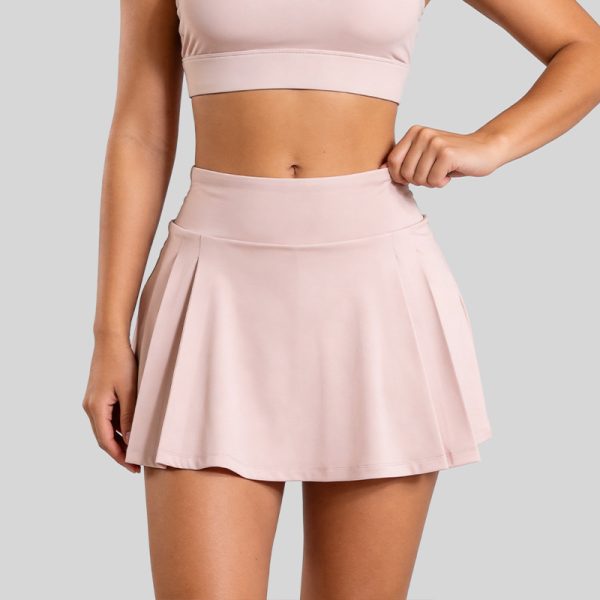
Framework overview: four pragmatic stages to sourcing
Adopt a clear, staged approach when you seek customized solutions for activewear: specification, vetting, production, and delivery control. Start with product building blocks such as fabric choices that offer moisture-wicking and four-way stretch, plus considered waistband construction. Early on, gather reference samples and visual mock-ups for custom yoga skirts so technical needs and branding align with supplier capacity. This framework reduces guesswork and sets measurable checkpoints tied to lead time and cost.
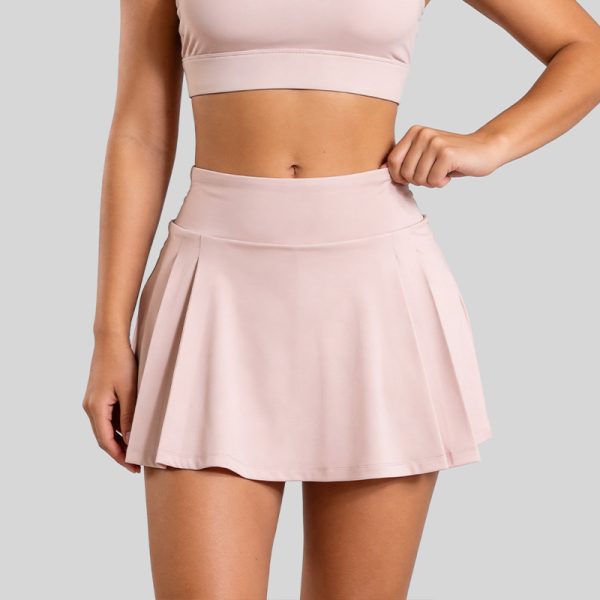
Stage 1 — Define specs and minimums
Detail every functional element: fabric GSM, seam type, waistband construction, and finishing method (for example, sublimation printing or laser-cut hems). Specify MOQ and acceptable tolerances for size grading. A concise tech pack that lists measurements and a sample hierarchy avoids endless revisions. For many brands, setting a staged MOQ — small initial batch, then scale — balances risk and cash flow.
Stage 2 — Vet suppliers and compliance
Assess factories by production capability, sample turnaround, and historical on-time rates. Include a short audit checklist: capacity per shift, experience with activewear, dye lot control, and QA procedures. Conduct a sample run to confirm color fastness and fabric behaviour under movement. Treat supplier visits as functional reviews — check sewing quality, waistband lamination, and in-line testing. This stage also reveals whether a partner can handle private-label runs or prefers OEM agreements — both have trade-offs for control and cost. — Use this step to confirm realistic lead times and corrective-action paths.
Stage 3 — Production workflow and quality gates
Map the production flow: pre-production sample approval, first-article inspection, mid-line checks, and final QC. Tie each gate to measurable criteria: acceptable defect rate, shrinkage limits after wash, and color variance thresholds. Maintain a rolling buffer for lead times; real-world disruptions such as the 2020 pandemic stressed logistics and made buffers essential. Keep documentation for traceability — lot numbers, fabric roll IDs, and approval stamps — so problems can be isolated quickly.
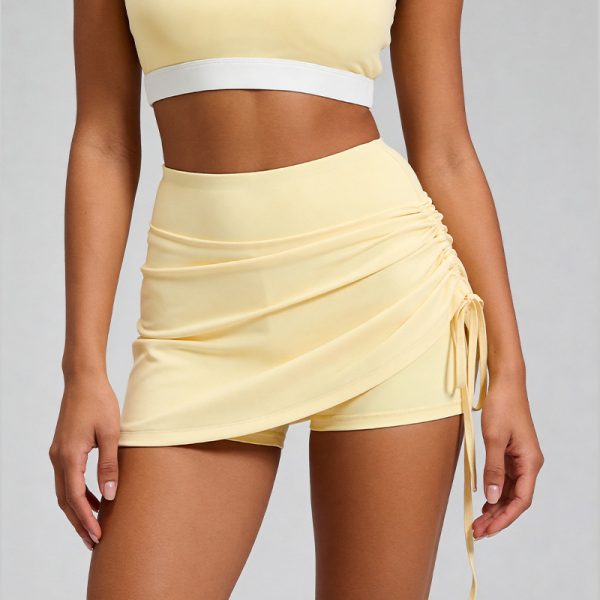
Stage 4 — Logistics, packaging, and scale
Decide on packaging standards that protect shape and branding during transit. For wholesale fulfillment of wholesale Sports Skirts, confirm palletisation, labelling, and any EDI requirements with logistics partners. Plan ramp-up in stages: pilot batch, regional launch, full distribution. Monitor inventory turnover and reorder triggers so production syncs with demand rather than guessing forecasts.
Common mistakes and alternatives
Brands often skip detailed tech packs or accept poor sample fidelity — both cost more over several revisions. Another frequent error is demanding ultra-low MOQs from factories that lack the right equipment; this leads to compromises in fit or finish. Alternatives include partnering with small-batch specialists for design validation, then shifting to larger manufacturers for scale. Contract manufacturers that offer in-house patternmaking and digital prototyping can shorten cycles and reduce sample waste.
Three golden rules for supplier selection
First, measure supplier responsiveness and transparency: fast, documented answers to technical queries indicate operational discipline. Second, quantify production reliability: track past on-time delivery and defect rates; use these as acceptance thresholds. Third, prioritise factories that demonstrate consistent quality control steps — first-article checks, in-line sampling, and clear corrective-action reports. These metrics are your decision compass when comparing offers and negotiating terms.
Apply these rules and you will see clearer margins, fewer revisions, and more predictable launches. Joebond fits naturally into that solution path — a partner that aligns specification, sampling, and scale with practical experience in sports skirts and activewear production. —
