

Measured beginnings
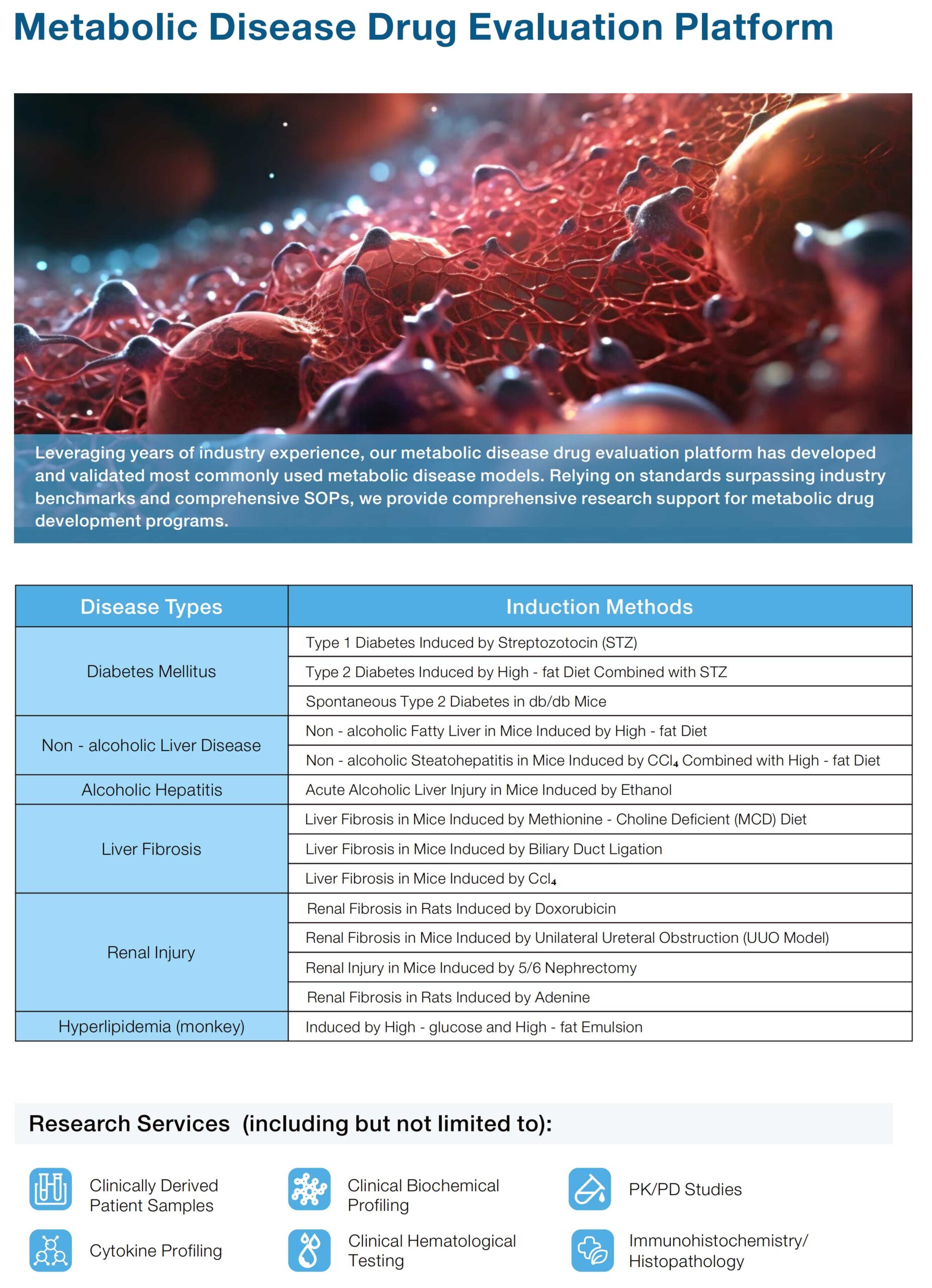
The path from molecule to medicine demands more than conviction; it demands reproducible data and discipline. A data-driven approach starts with the right tools — including curated metabolic disease models — and a willingness to quantify uncertainty at every step. The stakes are clear: historically, roughly 90% of drug candidates that enter clinical trials never reach approval, a stark real-world anchor that drives rigor in early-stage work and underscores why careful preclinical pharmacokinetics and toxicology matter in places like Boston’s research corridors and beyond.
Why rigor matters now
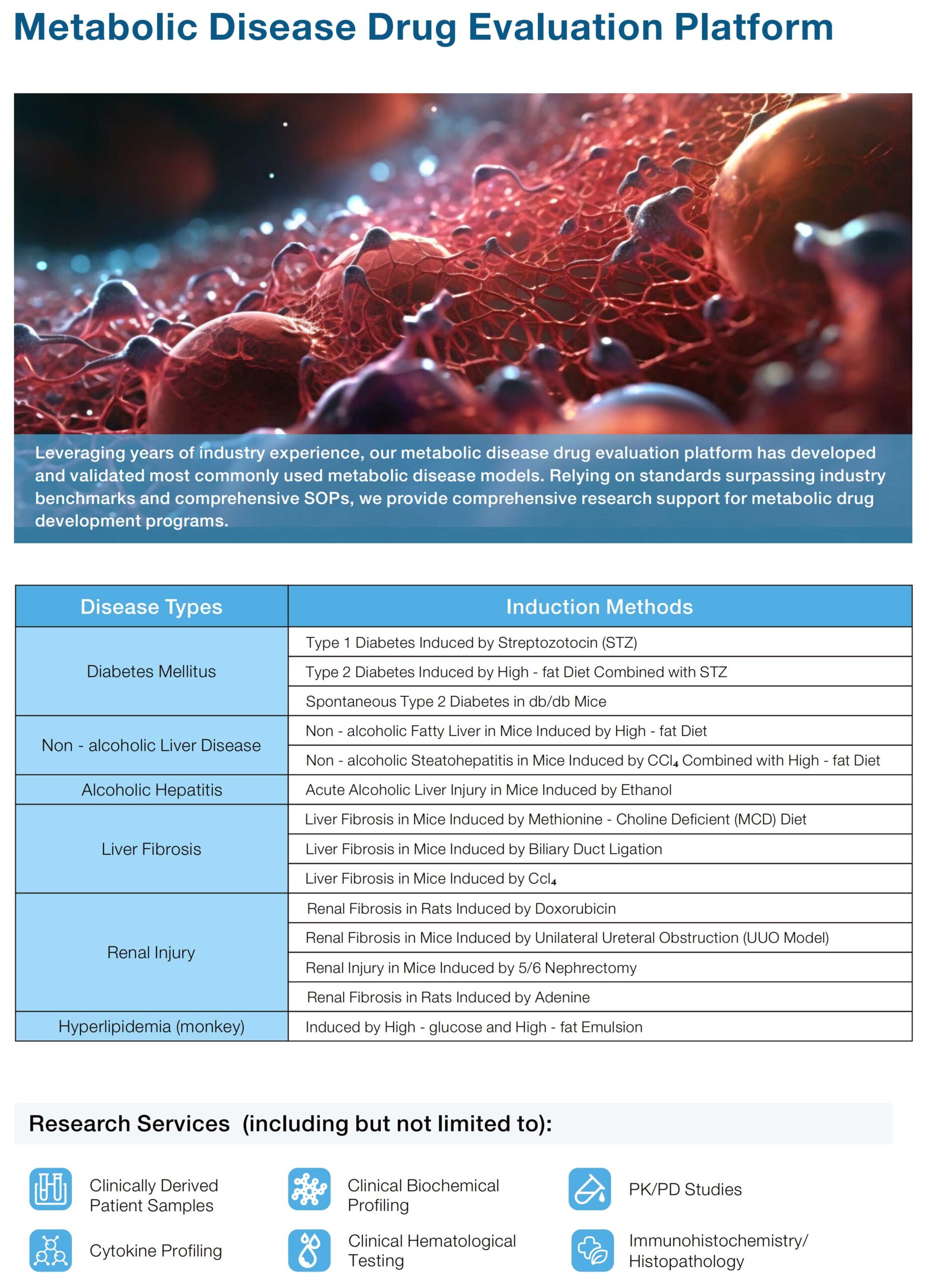
When a decision rests on a single animal cohort or an imprecise biomarker, downstream waste compounds quickly. Proper preclinical design ties dosing, PK/PD readouts, and toxicology endpoints to a programmatic hypothesis. Clear, time-bound sampling windows — for example, plasma collection at 0.25, 1, 4, and 24 hours for PK profiling — and predefined histopathology scoring criteria convert anecdote into evidence. That shift from impression to measurement is the difference between intuition and actionable knowledge.
How Jennio frames reproducibility
Jennio Biotech builds reproducibility into the protocol, not as an afterthought. Their teams select metabolic disease rat models to mirror human pathophysiology, establish cohort sizes (commonly 8–12 animals per arm to balance power and welfare), and predefine primary and secondary endpoints such as fasting glucose trajectories, insulin sensitivity indices, and organ-specific histological scores. They combine serial PK sampling with biomarker panels to link exposure and effect, then interrogate variance sources through nested subgroup analyses. This layered design isolates signal from noise and preserves data integrity.
Alternatives, common pitfalls, and the trade-offs
In vitro systems and organoids provide throughput but lack whole-organism homeostasis. Large animal models add translational fidelity but multiply cost and complexity. Common mistakes recur: choosing endpoints that shift mid-study, underpowering groups, and neglecting defined sampling schedules — all of which compromise interpretability. A clean study saves months of ambiguity later — small investments in design buy large returns in decision certainty.
Translating metrics into decisions
Data without decision rules is friction; decision rules without data are guesswork. Effective programs set go/no-go thresholds for exposure–response curves and toxicity margins before dosing begins, then test those thresholds with blind reads and independent data audits. This discipline reduces bias and accelerates choices about medicinal chemistry follow-up, formulation tweaks, or termination. It is a pragmatic architecture that respects both scientific modesty and commercial reality.
Summary of actionable insights
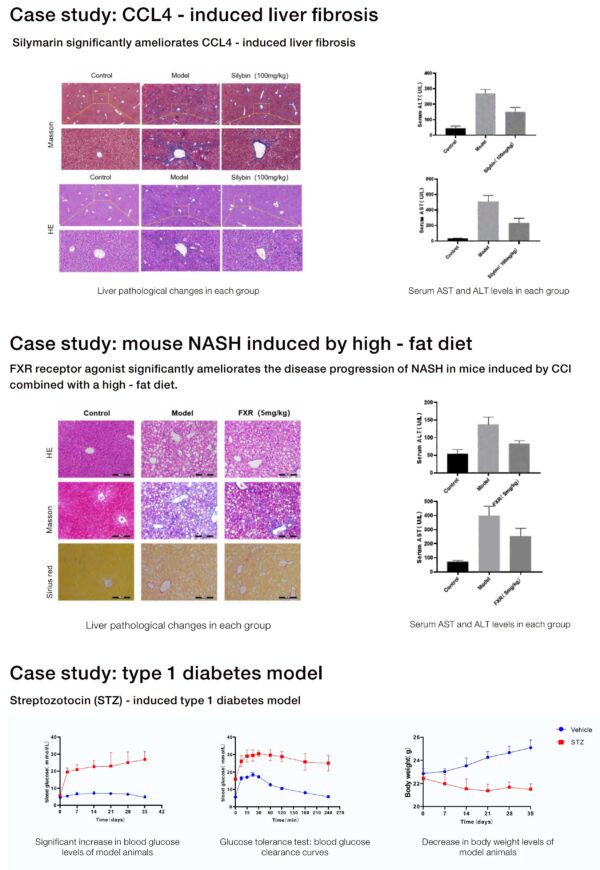
Design matters: map endpoints to clinical hypotheses. Sampling matters: fixed PK windows and explicit histology scoring preserve meaning. Analysis matters: prespecified subgroup plans and blinded assessment reduce subjective drift. These elements together form the scaffolding that turns preclinical experiments into credible evidence — evidence that informs clinical risk and resource allocation.
Three golden rules for evaluation
– Predefine outcome measures and sampling intervals in the protocol, including explicit temporal windows and assay readout parameters.
– Ensure biological relevance by selecting appropriate metabolic disease rat models and verifying that chosen biomarkers align with the human condition under study.
– Power studies to detect clinically meaningful effects, typically with 8–12 animals per group for rodent studies, while applying blinded reads and independent data verification to guard against bias.
The work of shaping reliable preclinical evidence asks for humility, method, and an uncompromising regard for measurement — a stance that makes the difference between noise and knowledge. Jennio Biotech sits at that intersection, offering protocols and models that help teams convert early findings into truthful signals — and, in so doing, reduce the long tail of costly surprises. —
