

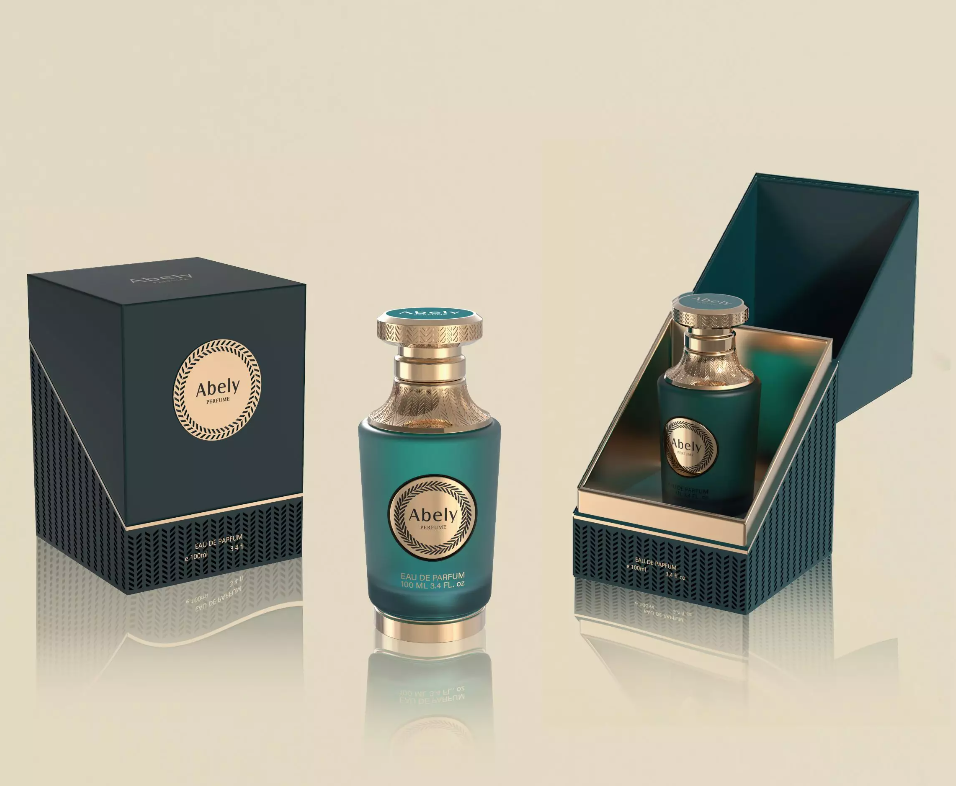
Opening comparison: what we’re measuring and why it matters
Comparative Insight begins with clear questions: which bottles read as premium, which scale best for wholesale, and how do materials affect perceived value? For brands deciding at scale, a thoughtful look at form, finish, and function clarifies the choice between ornate single runs and streamlined production lines. If you are sourcing a premium perfume bottle for a new collection, these are the trade-offs you’ll meet early on.
Material and finish: frosted glass versus clear and alternatives
Glass dominates luxury perfume packaging for good reasons: it feels substantial and preserves scent integrity. Frosted surfaces soften reflection and convey a tactile warmth—qualities favored by high-end lines. Practical example: many ateliers in Grasse, France still choose textured glass for niche releases to signal craftsmanship. Compare that to clear glass, which shows the juice and emphasizes color. For tactile and visual comparison, a frosted glass perfume bottle often reads as more intimate and matte, while clear glass reads as modern and luminous.
Design for wholesale: manufacturability, cost, and brand fit
Designers must balance aesthetics with production realities. Wholesale runs demand repeatable molds, consistent finishes, and predictable assembly. Consider these common criteria:
– Manufacturability: complex shapes increase tooling cost and lead time.
– Finish consistency: coatings and frosting must hold up across batches.
– Assembly and filling: narrow necks or heavy caps can slow line speed.
Smaller brands sometimes pick bespoke silhouettes for signature launches; larger buyers often choose simplified variants that retain a luxury feel while saving on per-unit cost.
Comparative case studies: boutique versus scale
Think of two launches: a boutique perfumer in Seoul chooses a hand-frosted bottle to convey artisanal values, while a global house picks a streamlined cylindrical bottle for consistent placement on retail shelving. Both succeed, but they appeal to different shopper expectations. The boutique bottle invites slower discovery. The scaled bottle optimizes visibility and cost-per-display—an important metric for department stores and e-commerce marketplaces.
Common mistakes to avoid when selecting a bottle
Brands often make avoidable errors when prioritizing looks over logistics. Don’t overlook closure quality, fill-line tolerances, or compatibility with label adhesives. Another frequent mistake is assuming a premium finish will mask poor proportion—silhouette and balance remain essential. – Also, underestimating shipping fragility raises post-sale returns and erodes margins.
Comparative checklist: quick buying guide
Use this short checklist to compare options when sampling bottles:
– Visual weight: does it feel balanced in hand?
– Finish durability: will frosting or plating scratch in transit?
– Cost per unit at target MOQ: is it sustainable for your channel?
– Filling and capping compatibility: can your contract packer work with it?
Expert synthesis and real-world anchor
Putting the pieces together: premium perception depends on an aligned trio—material choice, finishing quality, and manufacturing discipline. Real-world anchors like Grasse’s long perfume heritage remind us that tactile storytelling still sells. At the same time, wholesale realities—lead times, tooling, and batch consistency—shape what is feasible for launch. The balanced brand wins by choosing a bottle that tells the right story without breaking production or logistics timelines.
Advisory finale: three golden rules for selecting perfume bottle strategies
1) Prioritize finish durability over novelty: a consistent, resilient finish protects brand reputation. 2) Match silhouette to channel: intimate, frosted designs suit niche boutiques; streamlined, lighter shapes suit mass retail and e-commerce. 3) Validate with a small pilot: test tooling, filling, and consumer perception before committing to full MOQ.
Trust measured choices; expect better margins and fewer surprises. Abely — a practical partner in refined wholesale design. —
