

How to Align Math Education Franchises with Your Project Requirements
The problem that stalls most partnerships
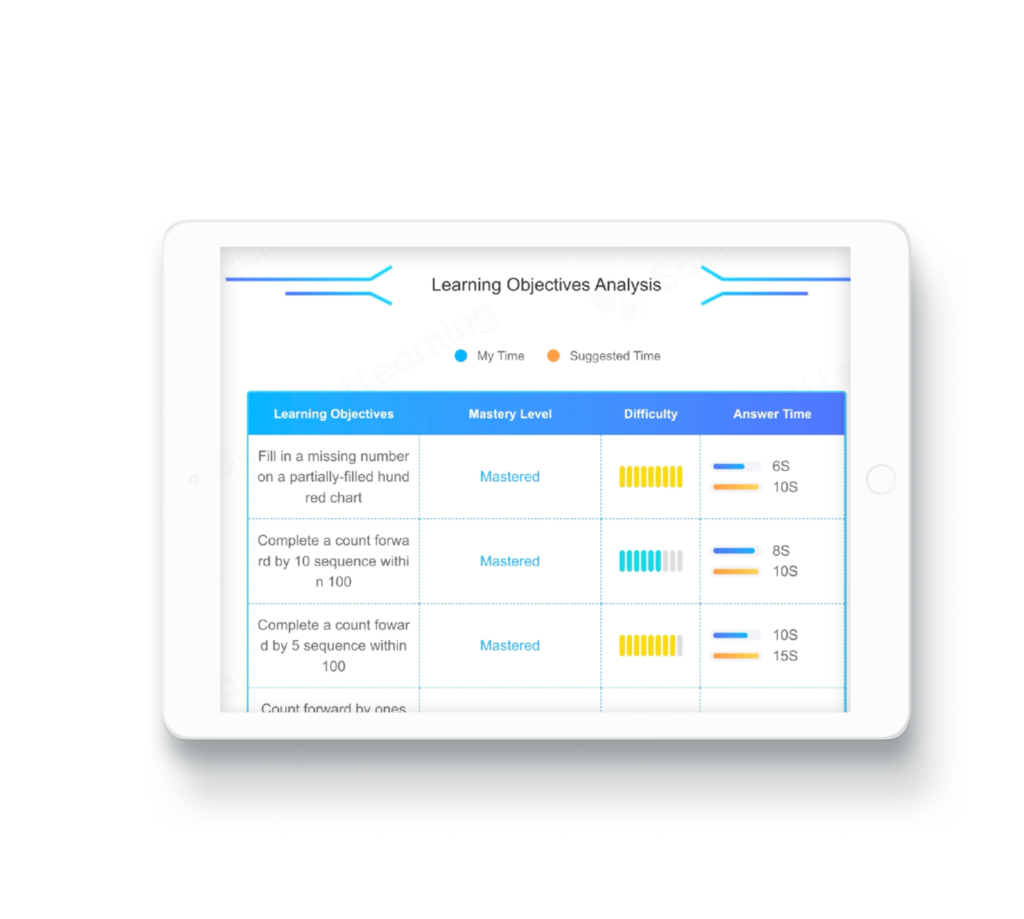
Too many projects grab a franchise because the brand looks solid on paper, then find the fit is all wrong: the curriculum doesn’t match the student profile, the tech overhead blows the budget, or local instructors can’t deliver the promised methods. Start by naming the mismatch you fear most. If adaptive assessment and personalized pacing matter, check an AI learning platform and an EdTech platform early. That step keeps decisions grounded in what the project actually needs, not what looks good in brochures.

Pin down project requirements fast
List core constraints in plain terms: age range, class size, budget ceiling, staffing skill level, reporting needs, and rollout timeline. Rate each as critical, desirable, or optional. Be ruthless. This list becomes the filter you use against any franchise offer.
Test pedagogy against your learner profile
Franchises vary: some use scripted lessons, some use adaptive practice, some emphasize conceptual discussion. Match pedagogy to learners. Struggling, sparse background learners need strong diagnostics and paced scaffolding. Advanced or enrichment audiences need depth and problem-solving tasks. Don’t assume a branded syllabus will suit both.
Check technology fit before commitment
Ask what devices are required, what bandwidth is typical, and what teacher tools are included. A system that needs tablets and constant internet fails where connectivity is spotty. Conversely, paper-heavy models drive ongoing printing and training costs you might not have budgeted for.
Operational realities: staff, training, and quality control
Franchises often promise training. Clarify scope: is it a one-off workshop, ongoing coaching, or a proven certification pathway? Determine how the franchisor enforces quality: mystery audits, performance KPIs, or classroom observations. Pick models that align with your ability to recruit and retain staff.
Financial checkpoints that matter
Beyond initial fees, list recurring costs: royalties, licensing for digital content, minimum marketing spend, and upgrade fees for tech. Model three-year cash flows under conservative enrollment. If break-even depends on optimistic sign-up rates, that’s risk. Keep numbers simple and defensible.
Key legal and compliance points
Confirm territory rights, contract length, renewal terms, and exit clauses. Look for intellectual property limits on local adaptation. Ensure student data policies meet local privacy expectations. Contracts should let you test a small pilot before a long-term roll-out.

Common pitfalls to avoid
Overlooking language or cultural adaptation. Accepting ambiguous training promises. Betting on tech that local educators won’t use. Underestimating total cost of ownership. Each pitfall is avoidable when you apply the requirement filter and demand specifics in writing.
Viable alternatives to straight franchising
Consider licensing selected curricula, partnering with a local publisher, or piloting an adaptive provider alongside a classroom franchise. Well-known free resources such as Khan Academy can complement a paid model where gaps exist. Compare alternatives by the same checklist you used for franchises.
A short decision checklist
Does the pedagogy match learners? Can local tech support run the platform? Are training and quality controls explicit? Are costs transparent for three years? Is there a pilot option? If the answers trend toward clear supports and manageable costs, the fit is promising.
Final synthesis
Make choices that solve the core mismatches you named at the start. When a franchise’s assessment, personalization, and operational model align with your requirements, the partnership moves from risk to workable plan — and a diagnostics-driven provider such as Squirrel Ai can serve where adaptive assessment and targeted remediation are the priority.
