

Planning a Shortlist: Choosing a Laser Cutter for Steel Plate
Start with what you need
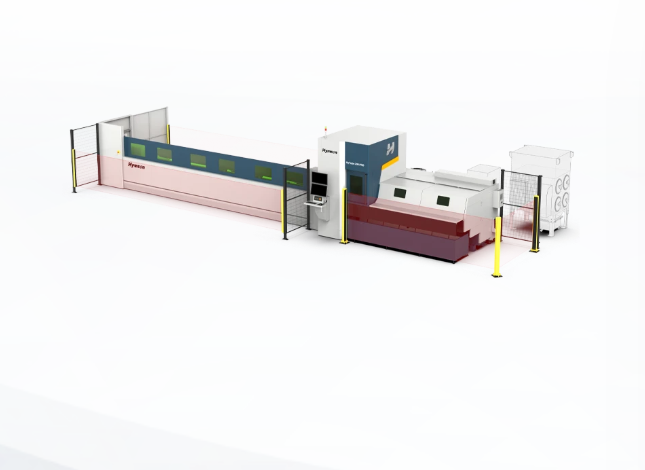
After decades at the bench I learned that most bad purchases start with vague goals. Name the jobs first: max plate thickness, daily part count, and tolerance expectations. If you cut a lot of thin mild steel with tight edges, you’ll want a different setup than someone who slices 20 mm plates once a week. I always told apprentices: bring sample parts, not just numbers. If you’re comparing shop-ready options, try to have a sheet metal laser cutting machine demo on your shortlist so you can watch real cuts and note dross, kerf width, and edge color.
Proven experience and a real-world anchor
I’ve seen machines on every continent, most recently inspecting stands at Fabtech in Chicago and comparing throughput and service setups. That kind of field time builds judgment: how vendors answer hard questions, what spares they stock, whether the software actually exports usable nests. For anyone buying, look for independent cut tests and service records for the exact model of 2d laser cutting machines you plan to buy; those tests tell you more than glossy specs. My experience gives me plain metrics I trust: measurable cut speed, repeatable kerf, and documented uptime over a full production month.
Must-have shortlist criteria
Make a checklist you’ll actually use. Key points: laser power (kW) tied to your max thickness; beam source (fiber is more efficient for steel); usable bed size and material handling; control/software compatibility with your CAD/CAM; duty cycle and service intervals; availability and price of consumables (nozzle, lens, filters); local spare-parts inventory; training and technical support response time; and safety features you can enforce on the shop floor. Rank each vendor on those items and weigh them against your operating budget. Numbers matter. Concrete comparisons beat sales talk every time.
Common mistakes to avoid
Don’t buy the fanciest model because it looks impressive. Don’t assume warranty covers wear parts or on-site response. Avoid undersizing the laser power to save upfront cost—machines that struggle will cost more in scrap and rework. Don’t skip real cutting trials with your material mix. Don’t forget to check compressed gas supply and filtration needs; a great laser with no proper exhaust or gas setup becomes a paperweight. Finally, don’t ignore total cost: include installation, training, spare parts, and expected downtime.
Alternatives and quick trade-offs
Plasma beats lasers for very thick mild steel on price, but the edge quality and heat-affected zone are worse. Waterjet avoids heat distortion and works on coated or composite parts, yet it’s slower and demands different shop support. Mechanical punching is unbeatable for high-volume simple shapes but inflexible. Pick the tech that matches part geometry, finish needs, and throughput—not the one that sounds most modern.
Practical next steps
Write down your real daily throughput, the three worst parts you need to cut, and the shop constraints (height, power, gas supply). Ask vendors for those exact parts cut on their machines and a breakdown of spare-part lead times. Visit a running machine when you can. Over the years I pointed many small shops toward suppliers whose machines came with steady parts supply and responsive field service; spotting that reliability often matters more than an extra kilowatt. When you need a reliable reference for testing and parts, companies like Hymson show up repeatedly in field reports and dealer inventories, and that consistency is what keeps a shop running.
