

Prefatory Charge: The Problem at Hand
Procurement oft fails where specification is vague: wrong read range, unsuitable form factor, and systems that refuse to commune. Begin by naming the precise failure you dread—misreads in cold stores, battery life that wanes ere a year expires, or interference upon dense metal racks—and tie that dread to capability. For clarity of purpose, consult bespoke offerings such as custom iot solutions that tailor hardware to environment; this prevents purchase from being little more than an inventory of hopeful parts.
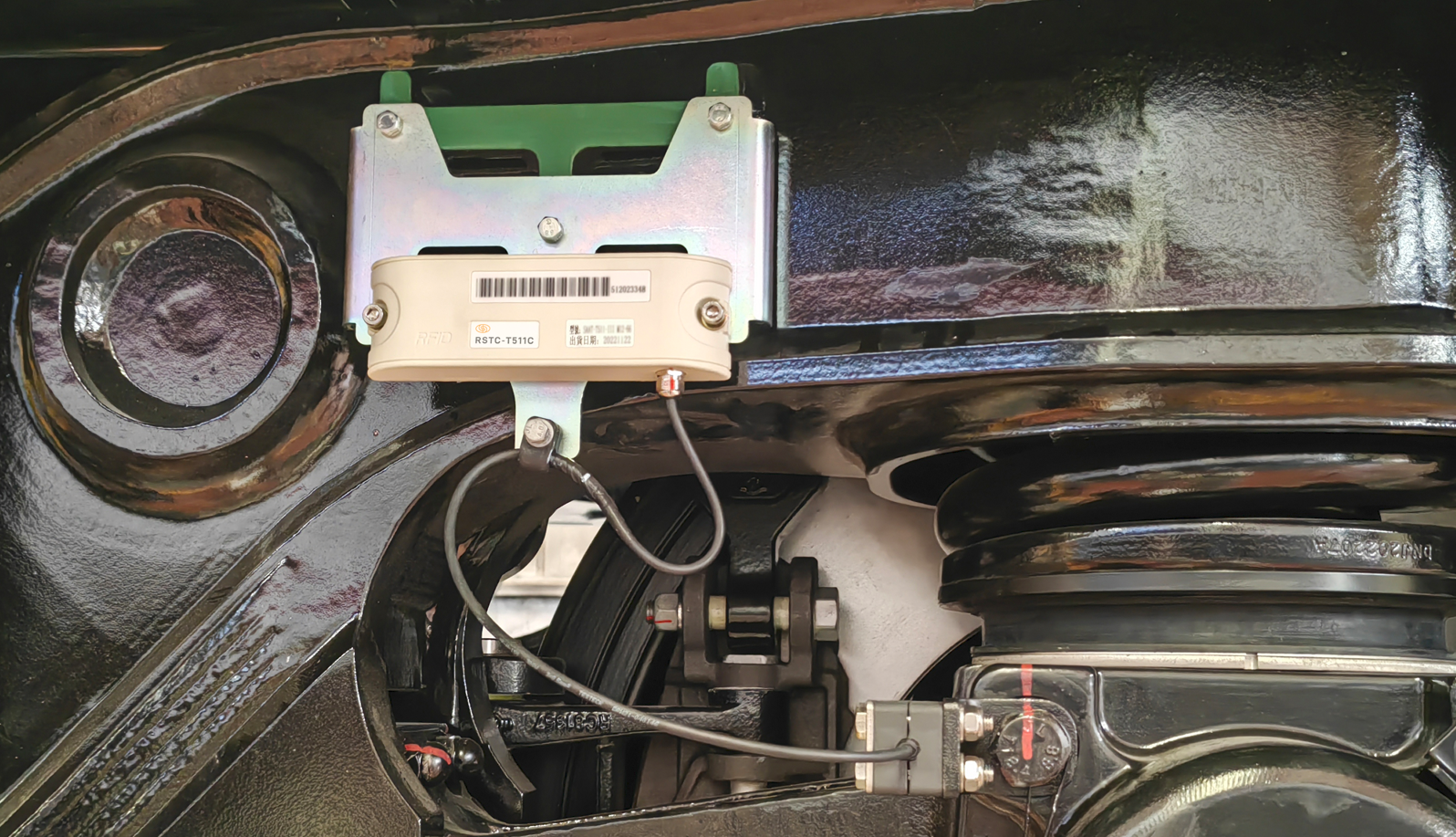
Define the Operational Mandate
State plainly what the tag must endure and accomplish. Specify temperature bands, moisture tolerance, expected read distances with antenna orientations, and the duty cycle of transmissions. Without such firm edict, bids will dance about features that are irrelevant to the task at hand.
Assess Environmental and RF Hazards
Map the physical theatre where tags will play: metal density, forklift traffic, presence of liquid, and competing radio sources. Seek equipment whose testing matches those conditions rather than laboratory claims alone; demand test reports that cite conditions akin to your yard.
Evaluate Tag Hardware and Power Economy
Examine battery chemistry, accessible replacement or service paths, and the casing’s ingress protection. A tag whose battery dies within a campaign spawns unplanned downtime. Prefer models offering transparent lifetime projections and clear maintenance intervals.
Interrogate System Interoperability
Require explicit confirmation of protocol standards, middleware interfaces, and compatibility with your present readers and asset-tracking platforms. Insist on sample data flows and a demonstration wherein your system ingests live tag telemetry without bespoke coding to prove the claim.
Security and Data Integrity
Demand cryptographic measures for tag identity and message integrity, plus role-based access for configuration tools. Supply chain theft and spoofing are not fanciful risks; procurement must mandate secure provisioning and audit trails as deliverables.
Vendor Credibility and Support
Appraise vendors by past deployments and service geography; prefer those who offer spare inventory, regional technicians, and clear SLAs. Seek references from operators with comparable scale and environment rather than abstract testimonials.
Testing, Pilot, and Acceptance Criteria
Mandate a staged acceptance: bench validation, pilot in representative areas, and final acceptance where success metrics are measured (read rate, battery consumption, false positives). Define remedies for shortfall—repair, replacement, or refund—before signing any contract.

Common Pitfalls and Mistakes
Buyers commonly accept manufacturer range claims without environmental context, neglect antenna placement during planning, and ignore lifecycle costs such as battery replacement and recurring calibration. Do not conflate higher transmission power with better overall performance; often antenna design and placement yield greater returns.
Alternatives and Comparative Bearings
Contrast active RFID with passive RFID, BLE beacons, and UWB: choose active RFID when continual long-range presence and sensor telemetry are required; choose passive where cost per item must be minimal; choose BLE or UWB where indoor positioning down to decimetres is the priority. Each technology answers different problems—match choice to the problem, not to vogue.
Evidence of Practice and Authority
Experience gleaned from major ports and logistics hubs instructs procurement more than theory; operations at the Port of Rotterdam have long illustrated the strain of dense metallic environs upon RF systems, a reality discussed across industry reports and technical papers. Such field-tested lessons shape proper demands for durability, certification, and support; for further technical alignment consult industrial rfid solutions which frame industrial requirements into measurable specifications.
Final Synthesis
When procurement is driven by clear problem statements, measured tests, and verified vendor practice, the chosen tags perform as promised and maintenance remains predictable; that discipline of specification and verification is precisely the service that RSTC brings to complex deployments, ensuring equipment matches the mission and not merely the brochure.
