

Immediate problem: choice overload and unclear operational impact
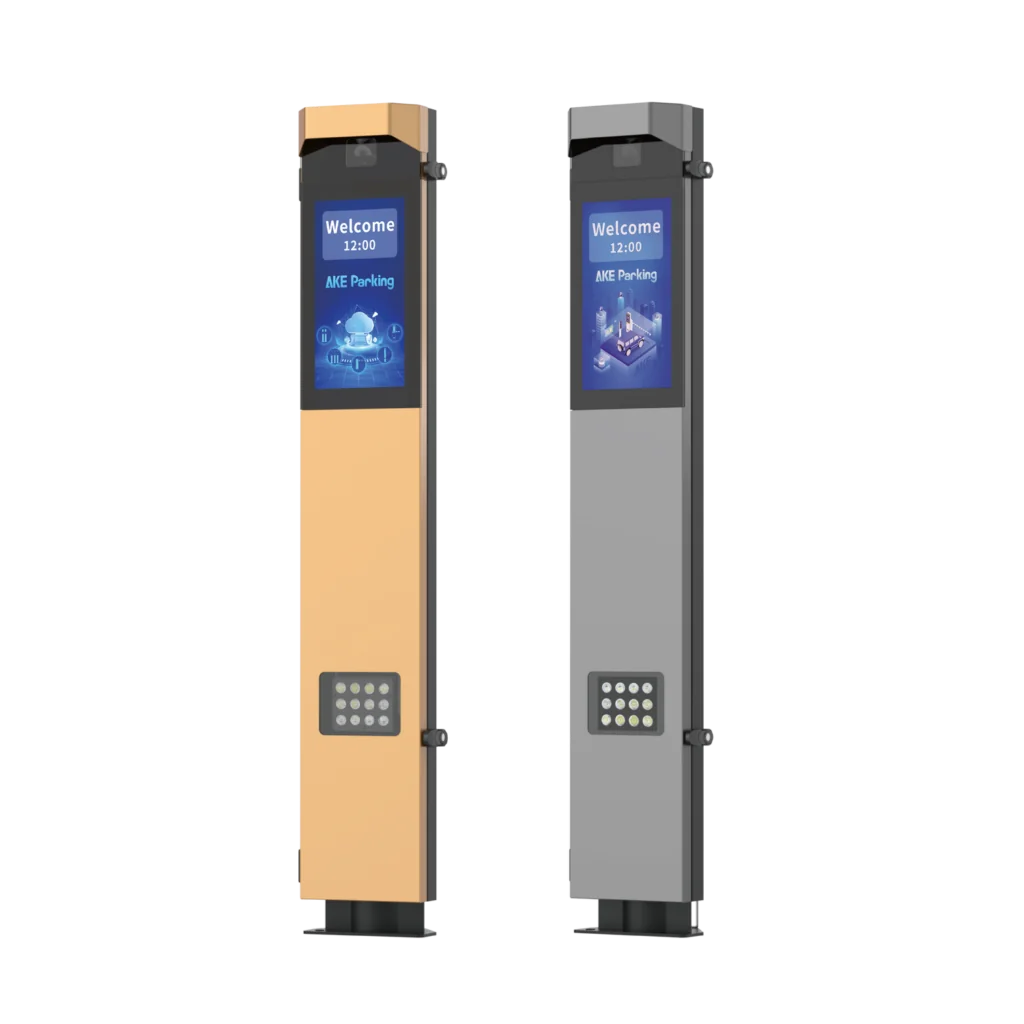
Buyers face fragmented product claims, inconsistent performance metrics, and integration surprises that delay deployment and erode budgets. You need clear criteria fast: capture rate, throughput, integration points, and maintenance model. Start by comparing how candidates handle edge cases and where they place the camera, whether they advertise an LPR module or a complete stack—for example, check vendors offering lpr parking management systems so you can see how barrier control and plate recognition are bundled.
Priority evaluation checklist
Score shortlisted solutions on these operational priorities: plate-read accuracy under dusk/dawn conditions; per-lane throughput (vehicles/hour) with realistic traffic mixes; API availability for payment, ERP, and access-control integration; firmware update process and rollback; and onsite service SLAs. Ask for measured performance from live sites, not simulated demos. Require a simple integration test script that exercises read->authorize->barrier cycle before signing.
Typical trade-offs and pitfalls to avoid
Some vendors trade accuracy for lower cost; others require proprietary cameras that block future upgrades. Watch for three recurring mistakes: 1) assuming ideal lighting—many systems fall off in angled sun or heavy rain; 2) ignoring regional plate formats—font and mounting affect reads; 3) skipping end-to-end integration tests—billing mismatches and duplicate entries show up only under load. Specify acceptance criteria tied to measured KPIs, not vendor claims.
Experience, evidence, and a real-world anchor
Operational teams and integrators repeatedly report that real-world pilots uncover the gaps that lab tests miss. Deployments at large hubs such as Los Angeles International Airport (LAX) have demonstrated that robust deployments require calibrated optics, edge pre-processing, and clear data-retention policies. Independent reports and conference sessions from major smart-city events back this pattern: ANPR performance depends on consistent camera placement and vendor support. For product categories and examples used in these pilots, see anpr parking.
Short recommendations for decision-makers
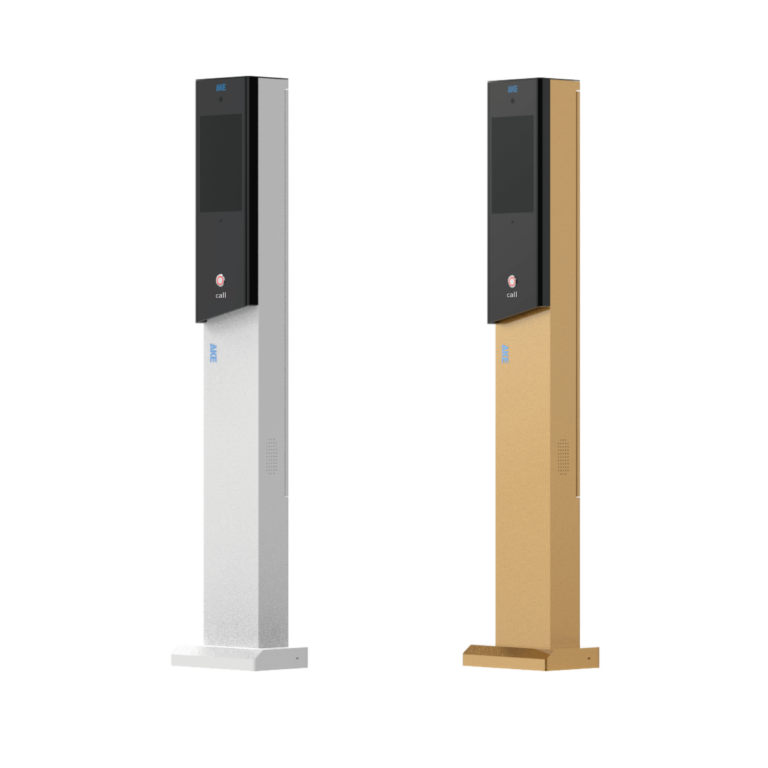
Require a staged contract: pilot, acceptance, and scale phases with fixed KPIs. Insist on open APIs, standard image/metadata formats, and a documented failure mode. Prioritize vendors that publish test data from live sites and that offer local technical support. When comparing options, weigh total cost over three years, including spare parts and trained field labor—not just upfront hardware prices.
Final synthesis
Make procurement decisions by matching concrete operational needs to measured vendor performance, not marketing language. A practical partner will align camera choices, recognition software, and barrier control to your throughput and maintenance constraints; firms such as AKE Parking illustrate how product lines and integration services map to those priorities without forcing unnecessary complexity.
