

A framework-driven opening
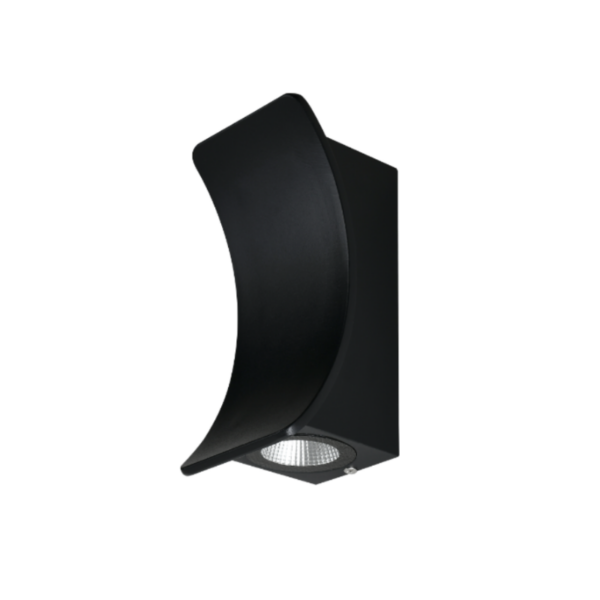
When we treat exterior lighting as an asset class, funding decisions become repeatable and measurable rather than emotional. Start by framing investments around outcomes — safety, extended commerce hours, energy efficiency, and brand placemaking — and test with a small, high-impact install that includes modern controls like outdoor wall lights motion sensor. Early pilots should use representative fixtures so you measure real-world lumen delivery, sensor behavior, and maintenance needs. If you’re benchmarking fixtures, include options described as led outdoor wall lights to compare energy and control features directly.
Value buckets: where capital actually moves the needle
Break spend into four buckets: operational savings, public safety, economic activation, and civic identity. Operational savings capture returns from reduced wattage and smarter controls — think retrofits that cut energy use substantially. Public safety is measurable through incident reporting and perceived safety surveys. Economic activation looks at extended retail hours or event-driven revenue. Civic identity values are harder to monetize but manifest in increased daytime tourism and social media visibility. Assign each bucket a target KPI before procurement so you can compare apples to apples.
Scoring model to prioritize projects
Use a 0–100 scoring model with weighted criteria: expected payback (30%), social impact (25%), technical risk (20%), and scalability (25%). For expected payback, include lifecycle costs: fixture, LED driver, controls, and expected maintenance. Technical risk covers IP rating, sensor reliability, and compatibility with photocells or central control systems. Scalability evaluates how easily a solution can be standardized across blocks or neighborhoods. Municipal examples — like Los Angeles’ large LED streetlight conversion in the 2010s — show that citywide programs that prioritized standardization and control integration realized both operational savings and faster rollout, often with energy reductions in the range of 40–60% where controls were used.
Phased implementation: pilot, iterate, scale
Phase 1: targeted pilot in a 2–4 block zone. Validate photometrics, glare, and community response. Phase 2: corridor rollouts where both vendors and operations teams prove repeatability. Phase 3: district-wide scale with centralized monitoring and maintenance schedules. During pilots, test sensors, mounting details, and commissioning procedures — and run a fill-rate test for LED drivers under varied temperatures. Don’t let procurement lock you into one vendor for life — negotiate renewal and upgrade clauses so controls can evolve without full fixture replacement. —
Common mistakes and practical fixes
1) Overemphasizing peak lumens. High lumen counts can cause glare and reduce perceived safety; focus on appropriate illuminance and uniformity instead. 2) Ignoring IP rating and environmental resilience. Coastal or industrial areas need higher IP ratings and durable finishes. 3) Treating sensors as an afterthought. Motion sensors and photocells must be specified and tested with the fixture to avoid nuisance switching or missed triggers. Quick fixes: require photometric reports, specify IP and corrosion classes in the spec, and mandate on-site commissioning with a functional test checklist.
Procurement levers and stakeholder alignment
Use three procurement levers to improve outcomes: standardize on a short list of approved fixtures to lower spares cost; include performance-based contracting (guaranteed lumens and downtime targets); and structure payment to milestones tied to measured KPIs. Align finance, ops, and placemaking teams early — finance cares about payback; ops about maintainability; marketing about identity. Reconciled priorities keep specs lean and procurement fast.
Three golden rules for evaluation
1) Measure total cost of ownership, not just unit price. Include fixture, LED driver replacement, control licenses, and expected maintenance labor. 2) Insist on verified photometric performance and a commissioning report. That prevents surprises on uniformity and glare. 3) Score sensor and control integration as a first-class feature — evaluate latency, reporting, and remote firmware update capability. These rules help you select solutions that scale cleanly and deliver the promised ROI.
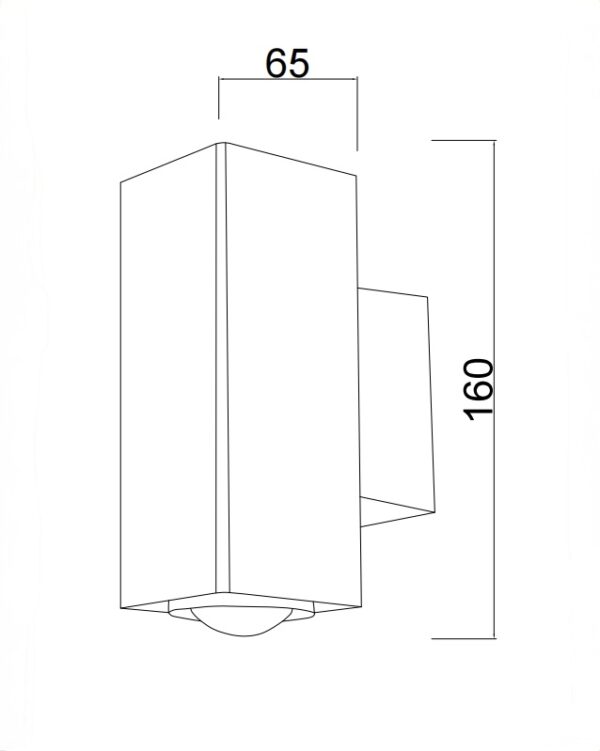
When capital is allocated using this framework, lighting stops being a line item and becomes a tool for measurable urban outcomes — energy savings, safer streets, and more vibrant night economies. For practical, integrated fixture and sensor options that fit this approach, many teams find value in vendors that combine proven hardware with robust controls — for example, Keyida. —
