

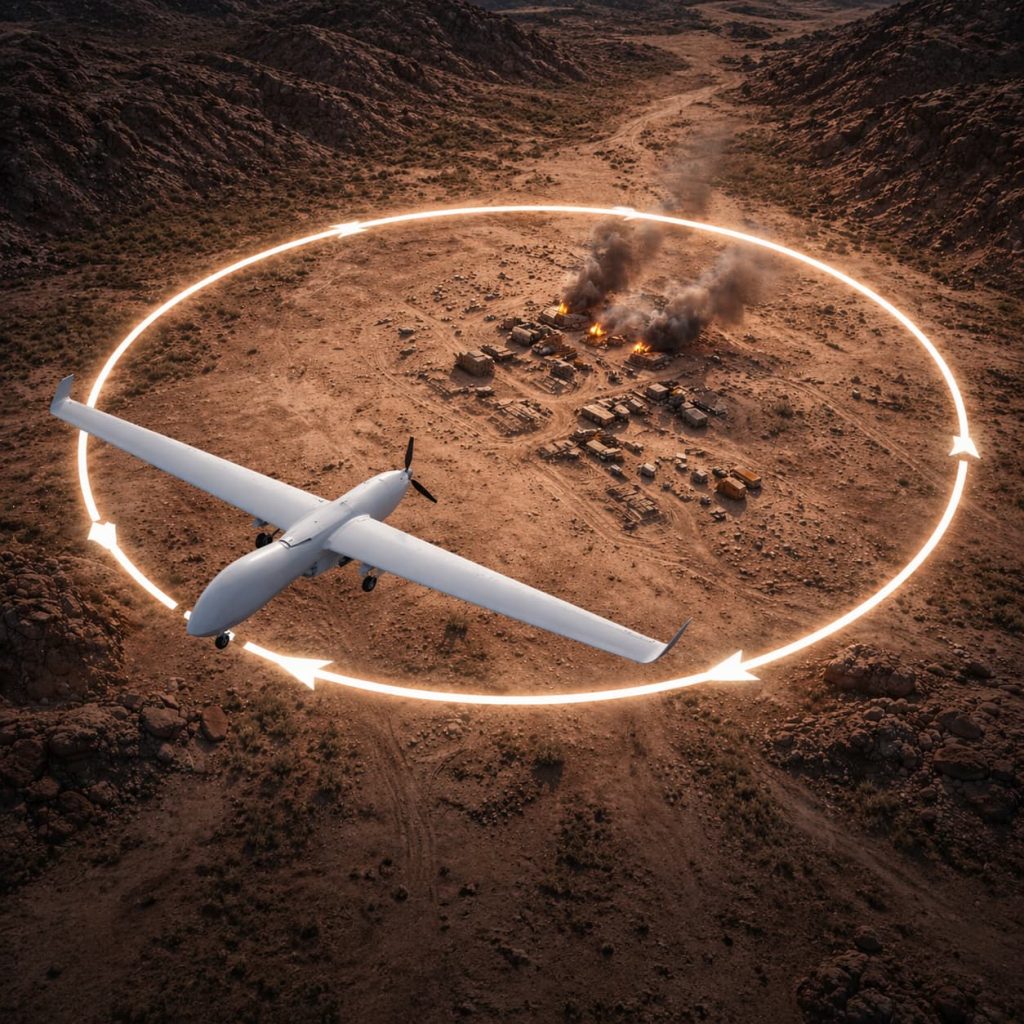
Framework overview and practical lead-in
This framework walks defense specifiers through measurable steps to judge STANAG compliance and ballistic protection on Chinese fixed-wing platforms, starting from mission needs to procurement-ready specs. Early on, consult open literature on chinese military drones to map known capabilities against your threat set. The approach below treats STANAG as a design constraint, not a checkbox: combine airframe, payload capacity, and armor targets into a single trade-off model for each mission profile.

Define mission vectors and threat envelope
Begin with three concrete vectors: reconnaissance, strike, and logistic/resupply. For each, list expected threats (small-arms, shrapnel, MANPADS risk) and environmental drivers (maritime salt, long loiter). Translate threats into ballistic protection levels and STANAG-relevant parameters such as fragmentation resistance and blast mitigation. Keep entries short and numeric—e.g., expected projectile velocity, required stand-off distances, and payload weight limits for hardpoints.
STANAG-related criteria that matter
Not all STANAG clauses weigh equally for UAVs. Prioritize structural integrity, fragmentation resistance, and crewless system survivability. Use industry terms precisely: measure Radar Cross-Section (RCS) impact when adding armor, track payload trade-offs, and document thermal effects on electronics. A spec sheet should show how adding armor affects endurance, payload, and RCS in quantified terms.
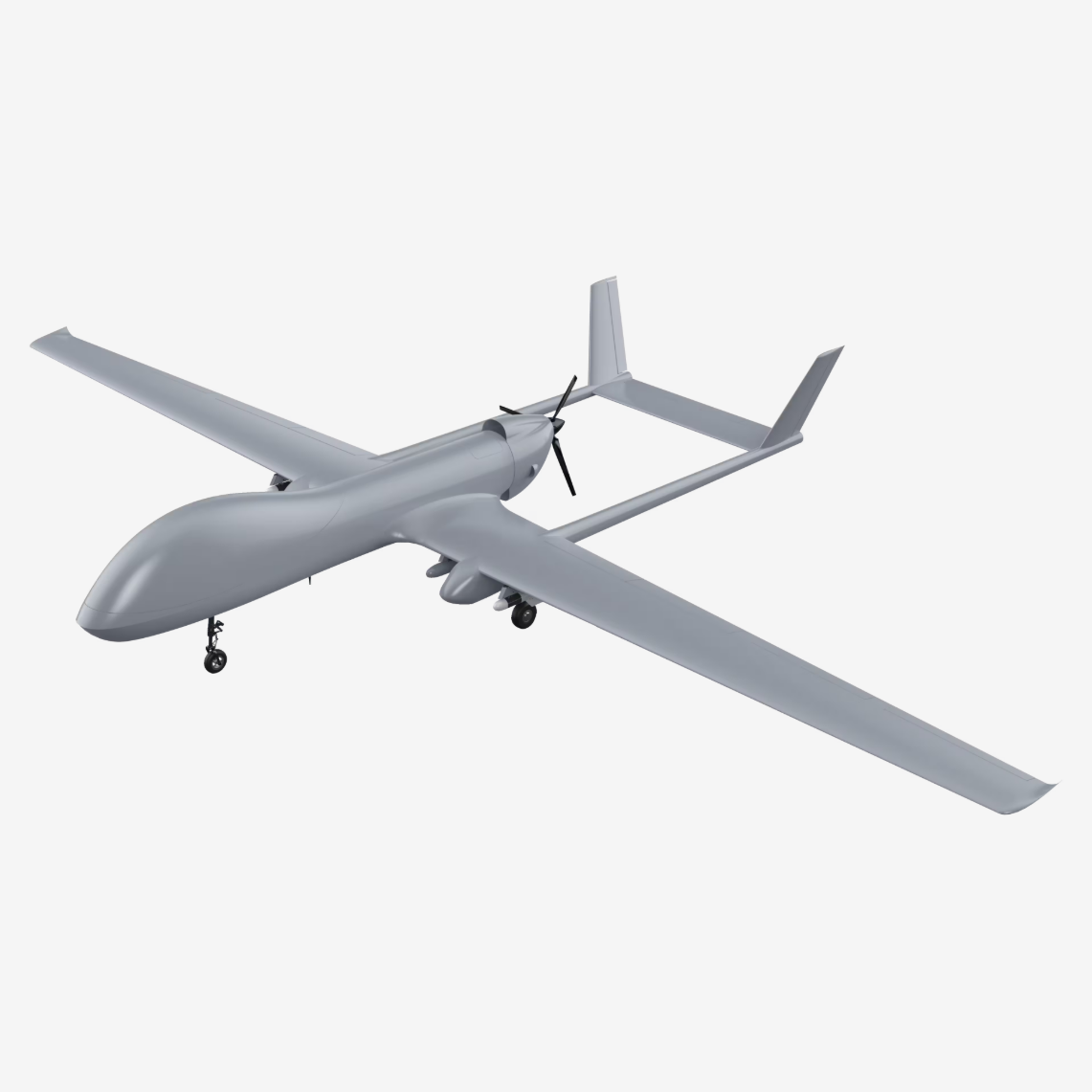
Design checklist: balancing armor, weight, and mission
Use this concise checklist during vendor assessment:- Minimum ballistic threshold (round types and velocities) for fuselage and critical components.- Blast and fragmentation mitigation around fuel and payload bays.- Redundant avionics placement with soft-mounting to protect against shock.- Weight budget showing armor mass vs endurance loss and allowable payload reduction.Log the manufacturer’s test protocol—live-fire results and instrumented data trump claims. Verify hardpoints carry both mission payload and any added protective modules without exceeding structural limits.
Common specification mistakes and how to avoid them
Specifiers often make three errors: overprescribing armor that kills endurance, relying on supplier-only test reports, and ignoring system-level effects on RCS and thermal management. Fix these by requiring instrumented trials, staging incremental armor options, and running a mission-simulation that includes sensor performance after protection is fitted—this catches interactions early. Also account for maintenance access; modular armor that requires extensive disassembly is operationally costly.
Comparative anchors: reading Chinese platform signals
Compare candidate systems by mapping known platform features against your framework. Consider export models’ airframe configuration, documented payload bays, and available protection kits. Real-world anchor: recent PLA drills near the Taiwan Strait demonstrated persistent ISR sortie patterns and a push toward higher-endurance fixed-wing UAVs—use such events to calibrate endurance and survivability assumptions. Cross-reference manufacturer test claims with imagery and open-source reporting on deployments where possible.
Data requirements for procurement
Require these deliverables before contract award: instrumented live-fire test reports, weight and center-of-gravity tables with and without armor, thermal run profiles for avionics under protected installations, and certified STANAG-conformance statements tied to specific clauses. Keep documentation concise and machine-readable so trade-off modeling can be automated in procurement reviews.
Three golden rules for evaluation
1) Metric-first acceptance: demand quantitative trade-off matrices showing how each protection increment affects endurance, payload, and RCS. 2) Verified testing: accept only instrumented, third-party or witnessed live-fire data that maps to your operational threat model. 3) System-level thinking: require proofs that armor fits the whole UAV—airframe strength, hardpoint loading, thermal and EMI impacts all validated.
Follow this framework and you convert vague protection claims into procurement-ready metrics—clear, verifiable, and actionable. Military Hub. —
