

Problem definition
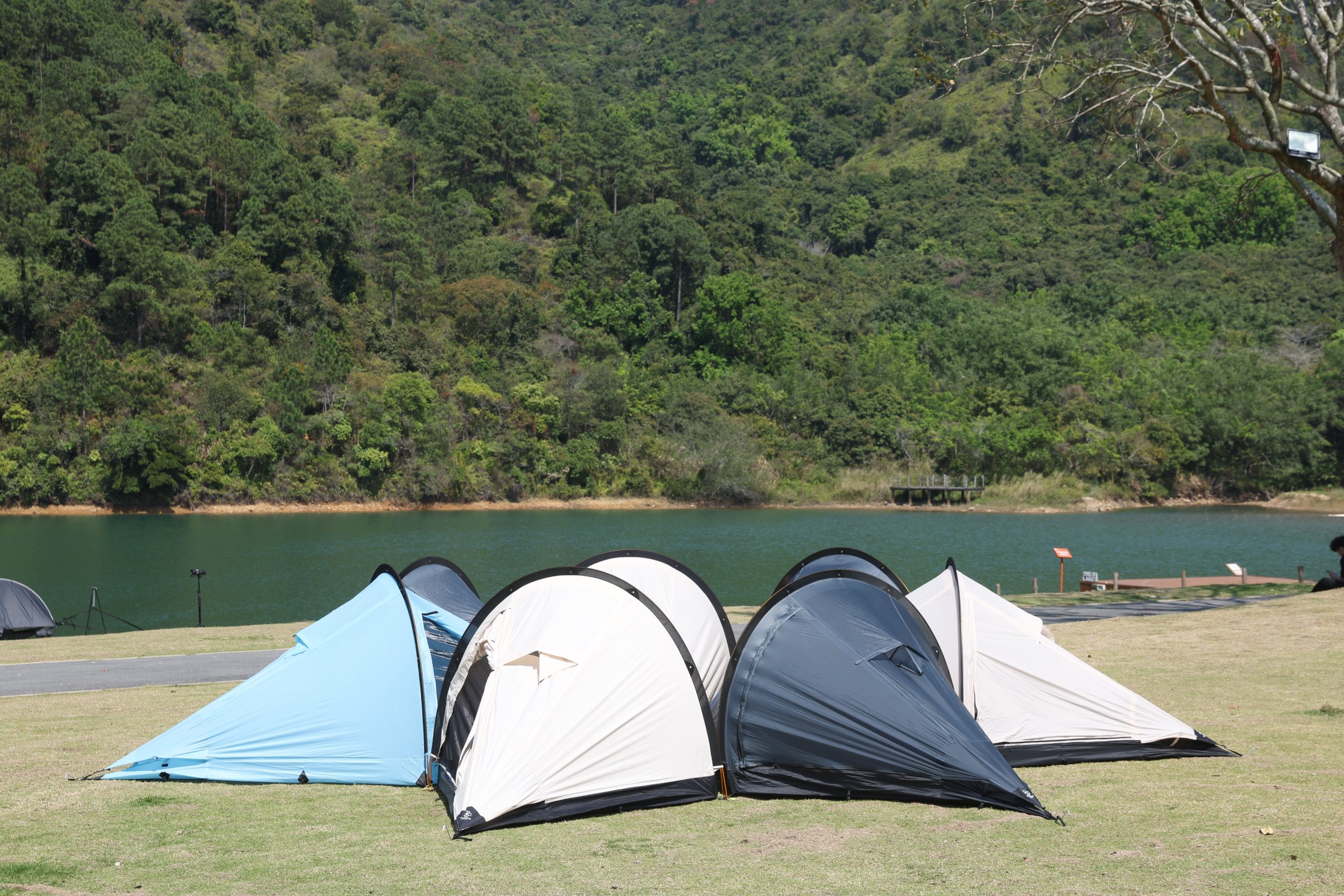
I treat the selection of ultralight one-person tents as a diagnostic problem: symptoms present as low advertised weight, but the underlying pathology can be poor shelter performance or unsafe compromises. Buyers often fixate on grams and miss functional endpoints. Evaluate weight alongside waterproofing, structural integrity, and user ergonomics; a compact reference model like a car extended tent can clarify how added volume changes utility without large mass penalties.

Primary criteria: materials and waterproofing
Assess the following objectively. Fabric denier and PU or silicone coatings determine tensile strength and abrasion resistance; list the fabric spec (e.g., 7D silpoly, 15D nylon) for comparison. Hydrostatic head remains the quantitative measure for waterproofing—seek clarified values from manufacturer and prefer taped seams over raw-stitched seams. Evaluate seam construction visually and by feel: double-taped seams with edge-finishing reduce capillary wicking. Zippers with weather flaps and robust sliders rate higher for reliability under abrasive, cold, or sandy conditions.
Structural integrity and load path
Examine pole material, joint design, and anchor points. Aluminum DAC-style poles balance stiffness and weight; carbon poles lower mass but introduce brittle-failure risk under point loads. Check pole-to-fly interface and reinforced webbing at stake points—failure here is catastrophic. Guyline geometry should distribute wind load; short, multiple attachment points lower dynamic stress. Verify that the vestibule attachment and stake channels maintain tension without deforming the inner space.
Thermal control, ventilation, and condensation management
Condensation is intrinsic to enclosed shelters. Prefer dual-wall designs that separate the user space from the outer rainfly, with measured vent placement that promotes cross-ventilation when pitched taut. Mesh area should be sufficient for respiratory moisture exchange yet fine enough to exclude insects. Examine whether vents can remain open with rain exposure—flaps that direct airflow while shedding moisture denote competent design.
Human factors: ergonomics and sleep-system compatibility
Sleep comfort depends on interior length, shoulder width, and vestibule configuration. Use anthropometric fit: ensure internal length exceeds your sleeping pad length plus 10–15 cm for gear stow. Check door placement for easy egress with minimal tent disturbance. Vestibule volume must accommodate food and kit while permitting wet storage to avoid contaminating the sleep area; suboptimal vestibules force users to leave gear exposed or to sleep in cramped postures.
Weight versus durability trade-offs
Quantify acceptable risk. Reducing denier and hardware reduces grams but shortens service life or increases failure probability in high-wind or abrasive terrain. Define a mission profile: ultralight alpine fastpacking tolerates lower abrasion resistance if resupply and shelter redundancy exist; remote multi-day treks require higher durability. Carrying a marginally heavier tent that survives adverse conditions is often the safer clinical choice.

Common procurement errors and field-mistakes
Buyers frequently make predictable mistakes: relying solely on advertised weight, neglecting vestibule and ventilation specs, and not checking repairability (supply of patch kits, availability of replacement poles). Another recurrent error is under-staking in mixed substrates—poor stake choice or omission of guylines transforms an otherwise competent tent into a collapse risk. Test-assemble at home to verify pole alignment and seam integrity before committing to remote use.
Field validation and practitioner experience
My guidance is grounded in repeated field trials and structured observations across seasons: controlled shelter evaluations and comparative pitching under wind and precipitation. Practical expertise includes multi-night deployments in alpine tree-line terrain and iterative repairs on site. I’ve also observed shelter performance in large-scale tailgate environments where exposure and user load vary widely; studies of communal setups such as college football events reveal how rapid pitching and abrasion affect fabrics—this real-world context of tailgate tent camping highlights the same points you’ll see on trail, namely seam stress and vestibule wear. These field observations inform objective checklists you can apply pre-purchase and during first-use validation.
Alternatives and brief comparative insight
If a one-person ultralight tent shows structural compromises, consider these viable alternatives: a tarp with z-pitch provides extreme weight savings but requires advanced pitching skill and favourable shelter; a bivy sac reduces pack volume but increases condensation risk and offers limited ventilation; hammock systems eliminate ground-site constraints but demand suitable trees and differ in insulation needs. Compare each option against your physiological tolerance thresholds and planned environments.
Synthesis and practical decision rule
Prioritize waterproofing specification, seam quality, and reliable stake/guylines, then balance fabric denier and pole materials against your tolerance for repair and replacement. Apply a simple decision rule: verify fit (sleep system compatibility), confirm quantified waterproofing and taped seams, inspect load-path reinforcements, and validate ventilation under simulated night conditions. That clinical checklist resolves typical procurement errors and points to shelters that perform across use-cases—observations and standardized checks that guide my recommendations at THECATAL without overstating benefits.
