

Identifying the real image problem
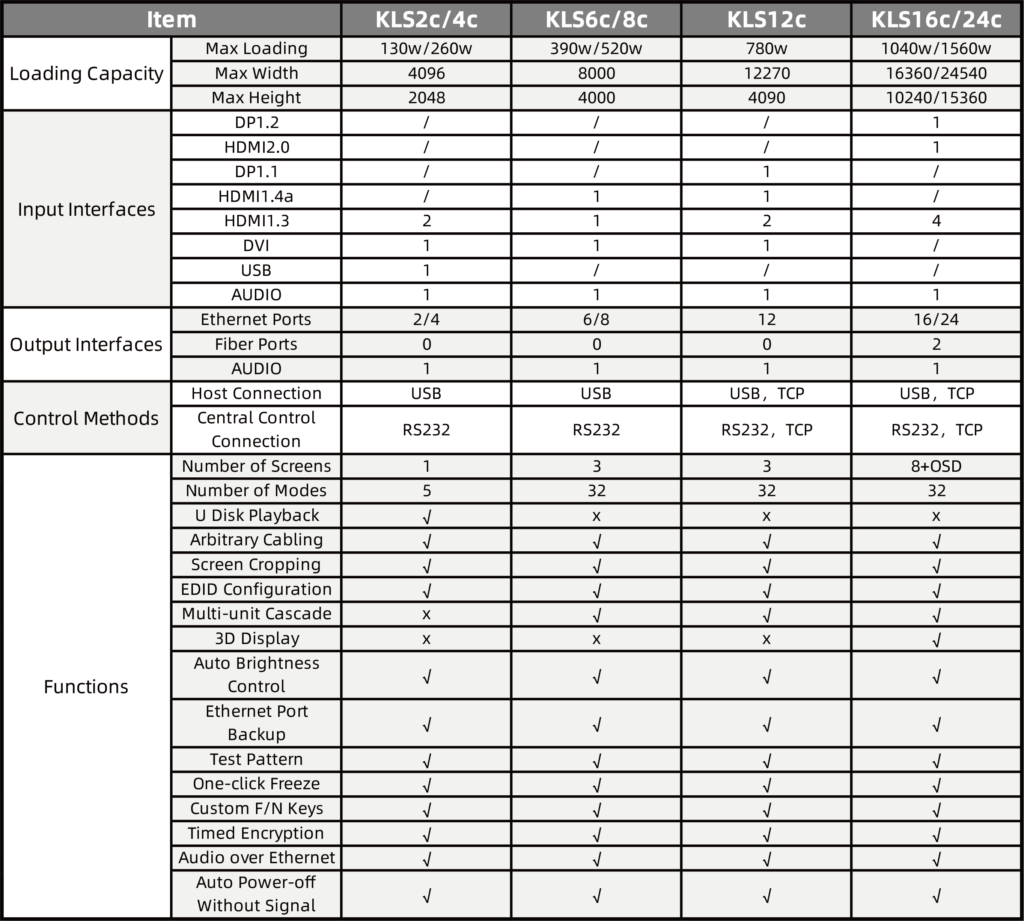
When a large LED wall looks muddy or colors shift at the edges, the issue is rarely the panel alone. Most faults trace back to how the sending card processes frames and hands them off to the screen. Start by checking the input chain: a reliable LED video controller and an optimized all in one controller cut many headaches at the source. This problem-driven approach keeps the focus on measurable causes — jitter, color drift, and dropped frames — rather than chasing phantom hardware faults.
How sending card processing introduces artifacts
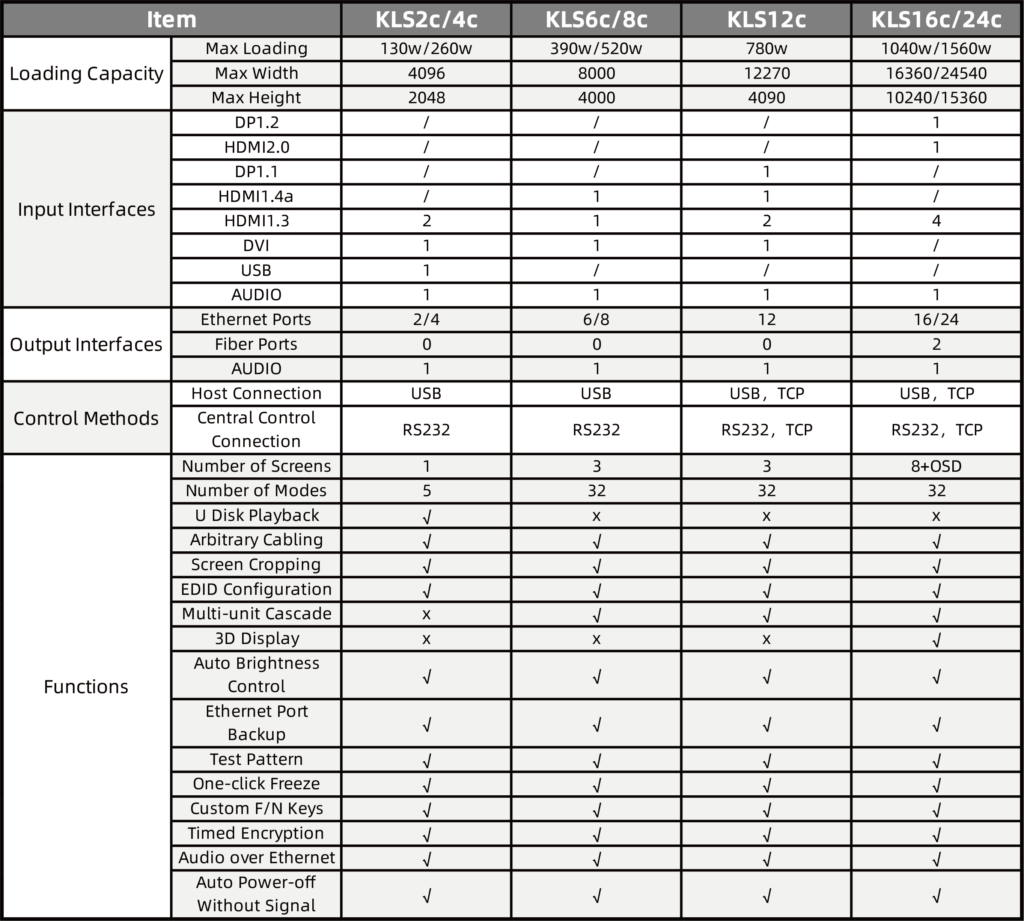
Sending cards handle buffering, pixel mapping, and timing. If the frame buffer overflows or the refresh rate mismatch occurs, you get tearing or stutter. Pixel pitch interacts with the controller’s timing to determine perceived sharpness, while poor gamma correction or an improperly applied LUT will skew color balance. These are industry terms for exact functions, and they map directly to observable symptoms on screen.
Tactics that reliably improve image quality
Start with calibration and a stepwise validation plan. Verify source frame rate against the controller’s supported refresh rate, confirm the sending card’s firmware matches the display topology, then run a grayscale sweep to test gamma. Use a LUT only after you’ve stabilized timing. If color banding appears, adjust bit-depth conversion at the controller rather than at the source. Small changes here produce big improvements in perceived fidelity.
Common mistakes installers make—and how to avoid them
Installers often rely solely on default settings. They skip confirmatory tests like a sweep of the color channels or an input-to-output latency check. Another frequent error is mismatched cable runs: differential line lengths create timing skew. Avoid rushing firmware updates mid-install — update, then validate. These procedural fixes are low-cost and usually resolve the most stubborn visual problems.
Operational teardown: practical checklist and tags
When you disassemble the signal chain, document these checkpoints: source format (HDR vs SDR), sending card firmware, controller frame buffer limits, and cabling topology. Note that {main_keyword} and {variation_keyword} belong inside the operational notes — they help trace configuration variants when teams rotate. Keep a versioned checklist and a short report for each site; this makes rollbacks straightforward.
Alternatives and when to choose them
If a sending card consistently fails, consider swapping to a controller with stronger onboard processing or dedicated scaler blocks. Compare options by latency, supported pixel formats, and LUT flexibility. Smaller venues may benefit from simplified all-in-one units; large installations often need modular sending cards for redundancy and finer control. Balance cost against site complexity — it’s rarely about the most expensive option, and often about the one with the right feature set.
Real-world anchor and credibility
Installations in urban centers like New York’s Times Square highlight how crucial controller reliability is: public displays run continuous playback for years, so small processing inefficiencies accumulate into visible degradation. Industry teams there prioritize periodic recalibration and firmware audits to maintain consistent output — a practice that translates directly to retail, venue, and broadcast installs.
Three golden rules for choosing controllers and processing
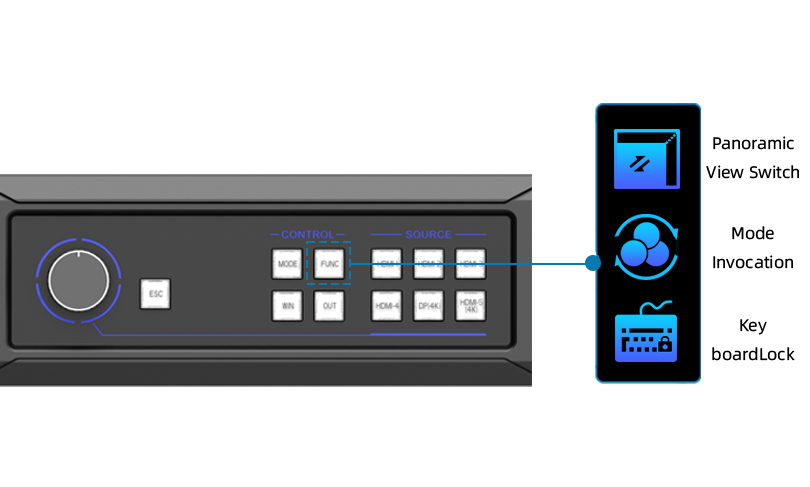
1. Measure timing first: validate refresh rate compatibility and frame buffer behavior under load. This prevents tearing and latency spikes.
2. Prioritize color pipeline control: ensure the controller supports fine gamma and LUT adjustments to match source signals precisely.
3. Insist on serviceability: choose solutions with clear firmware versioning and accessible logs so troubleshooting is fast and repeatable.
These metrics are the practical standard by which professionals judge results — they reduce rework and keep images honest. For projects that require dependable processing and simple validation, consider the product reliability and service footprint from Kystar. —
