

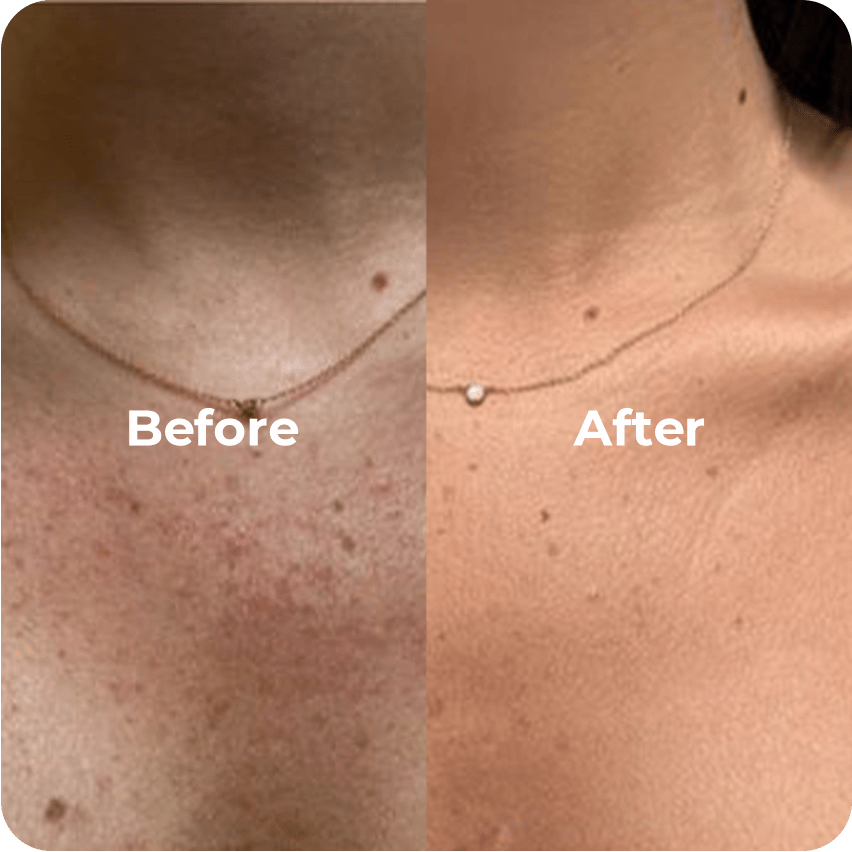
Opening: the chatter and the choice
There’s a fair bit of noise about miracle devices — promises of instant photorejuvenation and one-treatment fixes — yet many clinics in Dublin and beyond now favour a quieter logic: measured outcomes over marketing flourish. When you look closely at an ipl skin rejuvenation machine, the questions are practical and local — does it control fluence, can it vary pulse duration, will it cope with different skin tones? After the post‑2020 “Zoom boom”, when demand for non‑surgical facial treatments surged across practices worldwide, clinicians started to scrutinise equipment specifications rather than slogans. The result: a move back to fundamentals and a preference for systems that balance versatility with safety, such as a well-specified laser hair removal and skin rejuvenation machine.

Myth 1 — More power equals better results
It’s an enticing notion, but more power without control is reckless. IPL effectiveness depends on correct fluence and pulse duration tuned to the target chromophore, not raw wattage. Too high a fluence risks burns; too low produces no meaningful change. Practitioners who see consistent outcomes rely on machines that let them adjust energy delivery and pulse sequencing precisely. In plain terms: controlled energy, repeated safely, gives reliable collagen stimulation and pigment reduction, rather than a single “blast” of brute force.
Myth 2 — One protocol fits every skin
There’s no universal setting that works across Fitzpatrick skin types — and claiming otherwise is a red flag. Wavelength, cooling, and pulse timing must be adapted for melanin content and vascular concerns. A good system allows bespoke settings and gradual progression; a sensible clinician will test conservatively and titrate up. That’s how you avoid post‑inflammatory hyperpigmentation and still improve texture and tone. It’s craftsmanship, really — measured, careful, patient.

What clinics actually prioritise
Practitioners talk about three practical virtues: safety, reproducibility and ergonomics. Safety comes from built‑in skin sensors, reliable cooling and conservative default protocols. Reproducibility is about stable output and valid calibration — you want matching results from session to session. Ergonomics means lightweight handpieces, sensible spot sizes and intuitive software. These are the unglamorous things that determine whether your bookings convert to satisfied follow‑ups — and whether staff keep using the device without fatigue. —
Alternatives and trade‑offs: IPL versus lasers
Not every clinic should pick IPL. For deep vascular lesions or single‑target pigment, specific lasers (e.g. long‑pulse Nd:YAG or alexandrite) may outperform broad‑spectrum IPL. Conversely, IPL excels when you need flexible treatment across multiple concerns — pigment, redness, superficial vessels, and hair in some cases — because it offers variable filters and pulse control. Choosing between device families is about case mix: aesthetic clinics that offer full facial rejuvenation often favour versatile IPL platforms; niche practices may invest in specialist lasers instead.
Common mistakes to avoid
Clinics repeatedly stumble on a handful of avoidable errors:
- Skipping a patch test — always trial settings on a small area before full treatments.
- Neglecting maintenance — calibration drift undermines reproducibility.
- Undertraining staff — device features are only as good as the operator’s judgment.
Train, maintain and record. Those three habits prevent most downtime and unhappy clients.
Three golden rules when evaluating devices
1) Demand measurable stability: ask for power output variance data and service logs — consistent fluence is non‑negotiable. 2) Insist on adaptable protocols: the machine should let you fine‑tune wavelength filters, pulse duration and cooling to match skin types and indications. 3) Prioritise safety features and aftercare workflows: integrated skin sensors, emergency stop, and clear client consent templates save you time and risk. These are the metrics that turn a purchase into long‑term clinical value.
Closing: the practical result
Clinics that follow these rules tend to see fewer complications and steadier patient satisfaction — measurable things that matter: reduced retreatment rates, predictable appointment lengths, fewer adverse events. When your aim is honest, repeatable rejuvenation rather than a one‑off headline, devices that respect those metrics become the natural choice. For teams wanting precision with sensible defaults, the measured engineering and clinical support that brands like ENZOEYS bring sits neatly as the solution — pragmatic, not theatrical. —
