

First impression that matters
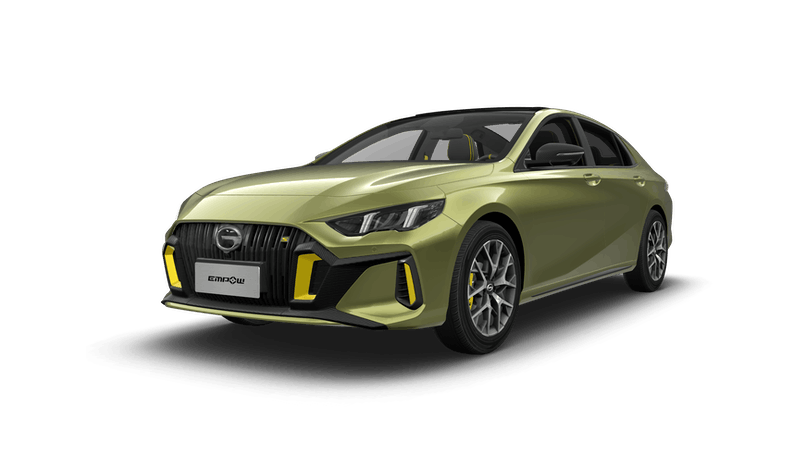
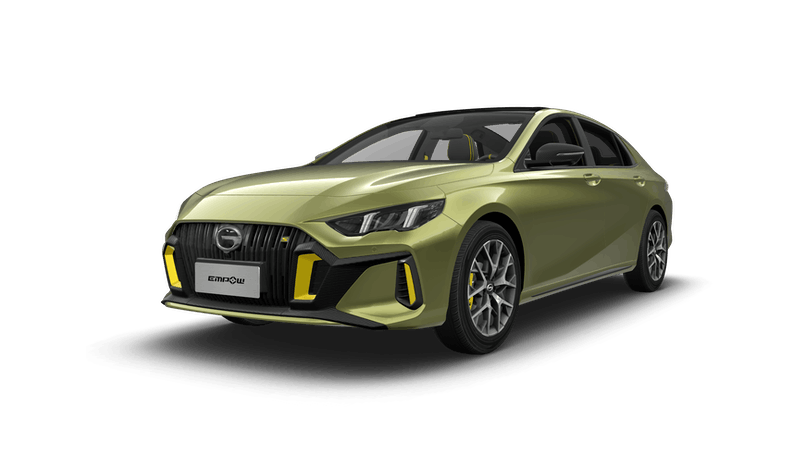
You’re picturing a car before you touch it: the hush of electric motors, the matte of paint under noon light, the faint scent of new upholstery. If your decision starts with that quiet promise, then you might already be leaning toward an AION model — and if you want to buy aion auto, this guide will help you translate those impressions into practical choices. Think like someone picking ingredients for a recipe: texture, balance, finish. I write these notes for people who need a match for daily life, not a brochure quote.
What you feel in daily use
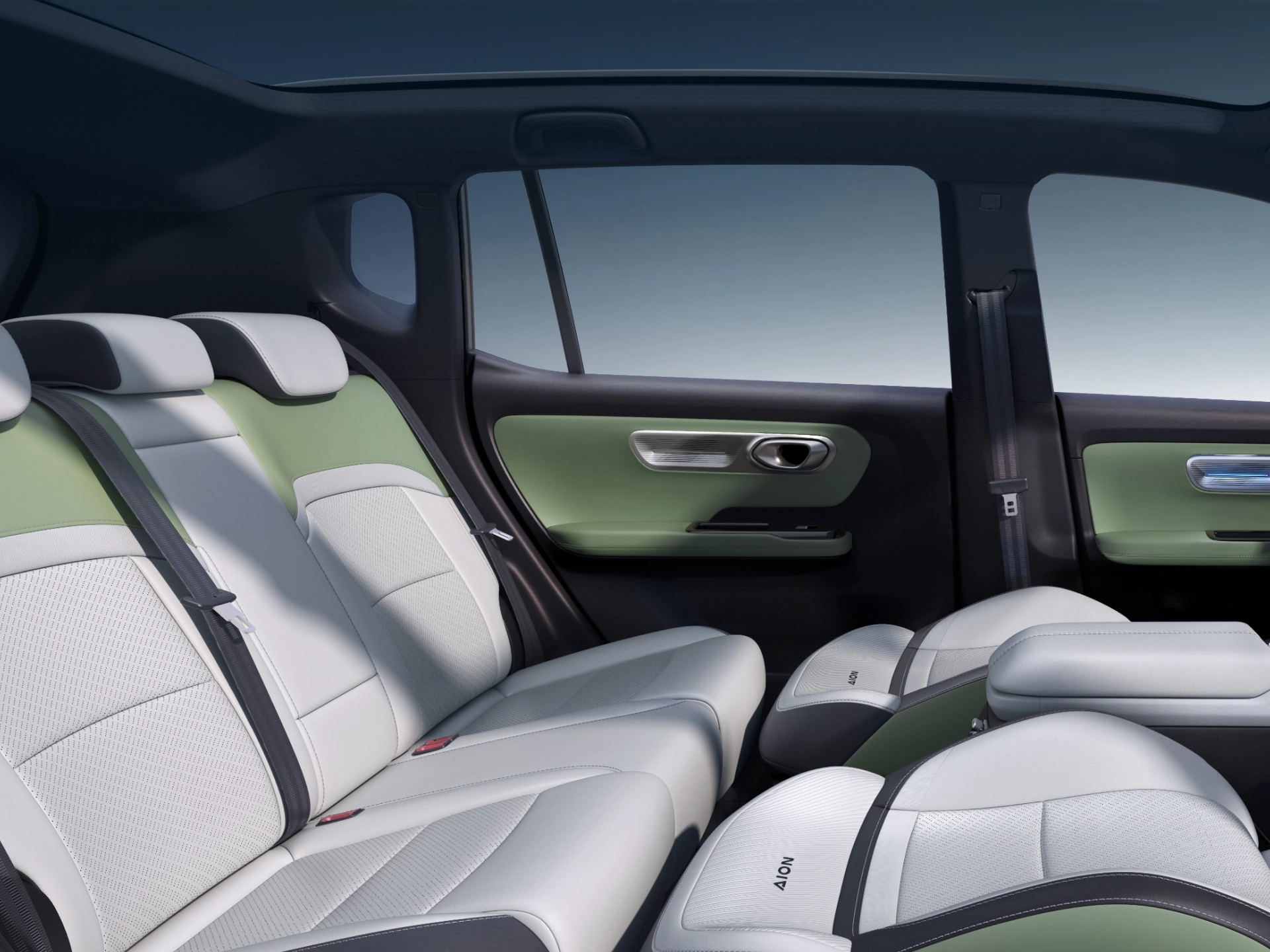
Focus on touchpoints: seat cushioning that holds you through traffic; steering feedback that tells you the road’s story; cabin noise levels that let conversation survive. Ask yourself three sensory questions when you sit in a demo: does the steering feel direct or numb; does the seat support your posture after 30 minutes; can you hear spoken directions without raising your voice. Answering those reveals whether the car fits you or you’ll keep tuning the radio to cover flaws.
Practical checklist for decision-making
Prioritize these user-centered criteria, ranked by how they affect day-to-day life: range reliability — how often you’ll plug in; cabin comfort — long commutes demand it; cargo flexibility — groceries, sports gear, whatever you haul; tech ergonomics — screens that don’t distract; running costs — anticipated maintenance and charging. Treat them like recipe ratios: a slight change in one demands rebalancing another. If range is non-negotiable, accept compromises in cabin flair; if comfort is your top priority, expect a small penalty in cargo volume.
Battery, charging, and what the specs hide
Numbers report potential; usage tells truth. Look beyond headline range: consider realistic range in local driving patterns, charging infrastructure availability, and climate effects. I inspected AION displays at the Guangzhou Auto Show and noted how manufacturers emphasize thermal management—important for preserving usable range in heat. Ask reps for expected winter or hot-season range percentages, and plan charging stops against how you actually drive, not the optimistic cycle on the brochure.
Common buyer mistakes to avoid
Don’t choose by badge alone; don’t assume the longest range is the best fit; don’t ignore real ergonomics for glossy materials. Overemphasizing a single spec — top-range figure, fastest 0–100 km/h time — leads to mismatch. Buyers often skip a 20-minute test route and later regret a seat or sightline they thought they’d tolerate. Try the car in conditions you live in: rush-hour crawl, narrow garages, steep inclines. If you live in a place with frequent stops, prioritize regen feel and ease of one-pedal driving.
Viable alternatives and quick comparisons
If you need a reality check, compare vehicles by role rather than brand. For urban runs: small EV with agile turning radius and quick charging. For family duties: an SUV with flexible seats and predictable range. For mixed use: a mid-range battery with strong thermal control. Match the vehicle’s strengths to how you spend most miles. That keeps choices honest and reduces buyer’s remorse.
Synthesis for a decision you’ll appreciate
Decide by living with the sensations you care about: comfort, quiet, predictable range, and how the car adapts to your routine. When those sensory impressions line up with practical metrics — charging rhythm, cabin ergonomics, cargo needs — you’ve found the right fit. For many buyers who prioritize a composed cabin and sensible electric range, aion auto can be the kind of balanced choice that turns first impressions into reliable daily satisfaction.
