

Plain, Practical Start
Folks, start where you live — at home and with simple needs. If you need steady breathing help without a hospital bed, look at how the machine sits on a kitchen table, how loud it is, and whether the controls make sense. A reliable cpap device can ease nights for people who wake gasping or for those with chronic lung trouble, but the right fit often means more than brand alone. Terms like CPAP and BiPAP matter — but so does whether the mask interface seals without pinching.
Real-world Anchor: Why it matters
Worldwide, chronic respiratory disease touches hundreds of millions — a high-level fact from the World Health Organization that keeps this choice rooted in real need. At-home ventilation grew after health systems began treating more patients outside hospitals; families in small towns had to choose machines they could actually use. That shift made usability and reliable humidification real deciding factors, not just the sticker price.
What users actually want
People want three honest things: a breathable mask that doesn’t leave bruises, pressure support that matches their breathing, and controls simple enough for a spouse or caregiver. Devices that report clear data help, too — like usage hours and leak rates. Look beyond fancy apps. If the menu needs a manual to read, it’s a poor match for everyday use.
Comparing Byond to plain alternatives
Put Byond against a typical home BiPAP or a consumer CPAP and you’ll spot differences in setup and service. BiPAP machines handle variable breathing better, offering two pressure levels for inhale and exhale. A hospital ventilator gives more control but ties you to clinical care. For home users, choose the match between clinical need and daily life — portability, easy filters, and quiet blowers often win the day.
Common mistakes people make — and how to avoid them
Buyers often chase specs and forget real use. They buy lightweight models with poor humidification or choose masks that leak when they roll in sleep. Another slip: assuming every provider will offer fast support. — Ask about spare parts and local service before you commit. A good device should come with clear instructions for cleaning the mask interface and replacing filters on a known schedule.
What technicians watch for
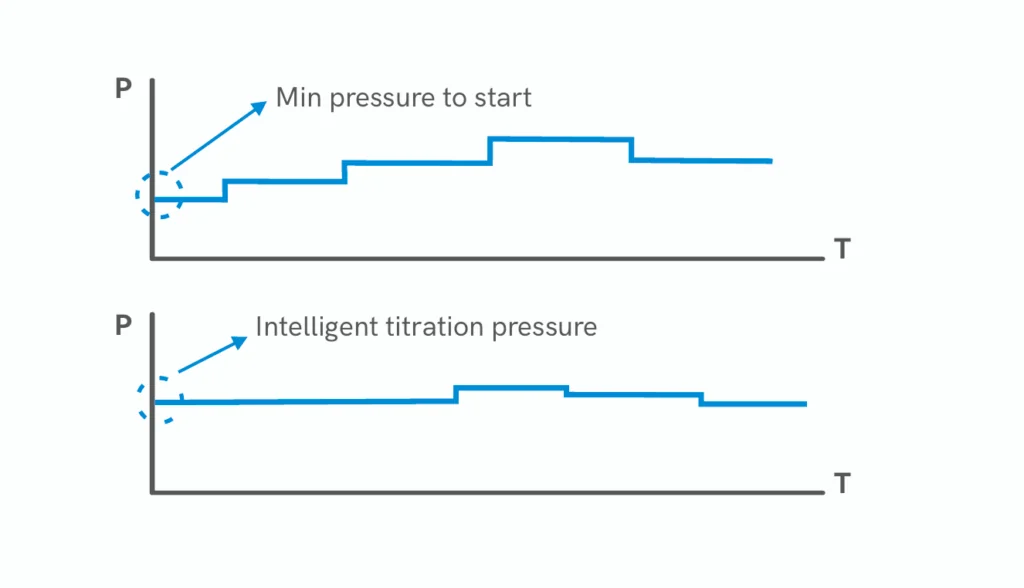
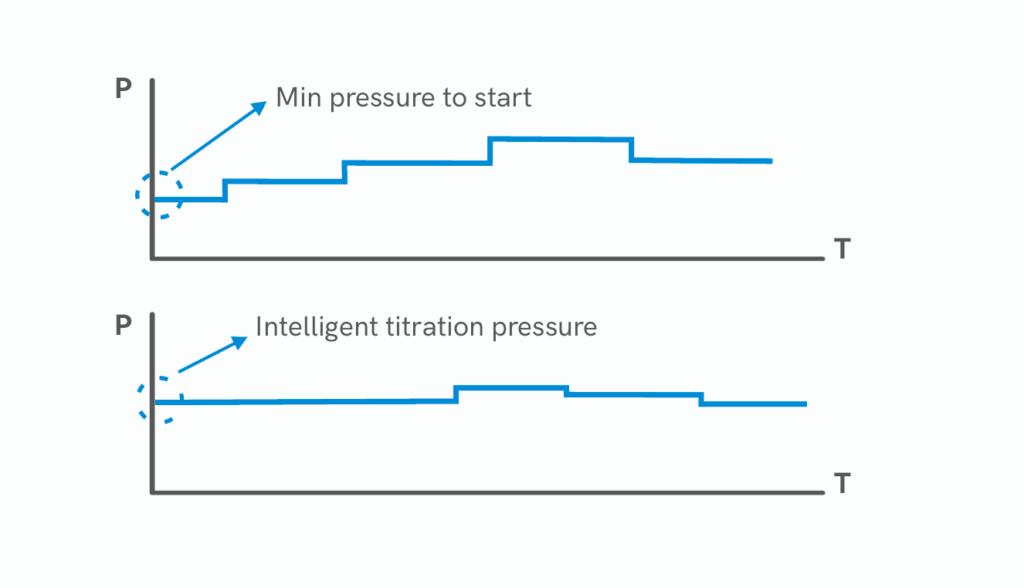
Respiratory pros check three things: leak rate, pressure stability, and ease of titration. Leak rate measures how well the mask seals. Pressure stability means the machine holds set pressures under changing breaths. Titration is the ability to adjust settings so therapy matches the patient’s needs. For most home settings, these are the practical checks that matter more than flashy displays.
Where a bipap medical device fits
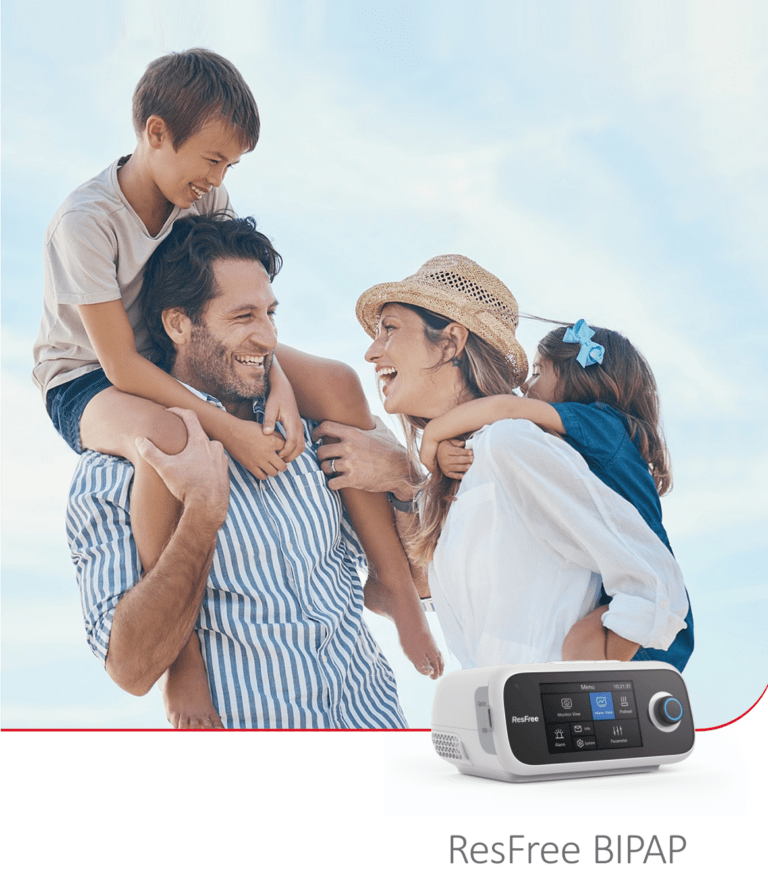
For folks who need more than fixed pressure, a bipap medical device gives comfort by lowering expiratory pressure and raising inspiratory support. That can reduce work of breathing for someone with weak respiratory muscles. But pairing that device with the right mask and humidification is the whole point — don’t skip testing the fit in real sleep conditions.
Three golden rules for choosing home ventilation
1) Confirm clinical match: ensure the device supports the pressure support your clinician prescribes and can record usage metrics you can share. 2) Test the mask interface: spend a night or two with the mask you’ll actually use; comfort trumps specs. 3) Verify local support: parts, filter replacements, and timely service are non-negotiable for daily therapy.
Make the checklists, test the kit, and trust hands-on results — they tell you more than any spec sheet. Byond fits that practical approach by focusing on easy setup, clear pressure control, and service paths that work where people actually live. — Simple, honest gear wins in the long run.
