

Why this comparison matters — and the quick reality check
Alright, you’ve got a killer scent but the bottle’s flat — bad flex. This piece runs a comparative lens over empty perfume bottle options so you can make choices that actually boost perception, margin, and scale. I’m coming at this from an editor’s eye who’s tracked packaging trends and a front-end tech brain that loves specs — and yeah, the supply-chain mess since 2020 taught everyone hard lessons. If you’re shopping prototypes or bulk runs, start with a sensible sample like an empty perfume bottle before you commit to a thousand units.
Key dimensions to compare: form, function, and production tech
Think of bottles like UI components — shape, material, finish, and interaction define the user experience. Compare these core axes when you evaluate options:
– Material: glass (premium clarity, higher weight) vs. PET/acrylic (lighter, cheaper, recyclable options).
– Shape & ergonomics: standard rounds are cheaper; unique silhouettes cost more tooling but create brand differentiation.
– Closure & atomizer compatibility: universal sprayers save headaches; bespoke pumps add luxury points — but test leak-resistance early.
– Production method: pressed glass vs. injection-molded plastics vs. 3D-printed prototypes. Rapid prototyping with 3D printing speeds iterations — handy if you’re iterating on a perfume design bottle.
Comparative trade-offs — cost vs. perception vs. speed
Here’s the real trade-off matrix, gamer-style: cost is your mana, perception is your DPS, and lead time is latency. Pick two strong ones — the third will usually lag.
– High-end glass: max perception, higher cost, longer lead times.
– Plastic blends: cheap, fast, lower luxury signaling.
– Custom molds: killer on brand uniqueness, requires higher MOQ and longer setup.
Don’t over-index on one metric; a mid-weight glass with a custom label can outscore a flashy custom mold if your launch timing is tight.
Common mistakes brands make — and how to avoid them
Lots of teams trip on obvious stuff — rushing into a final mold, skipping compatibility tests, or ignoring regulatory caps. A few frequent fails:
– Skipping tactile tests: you ever hold a bottle IRL? If not, do it. Weight and finish matter more than mockups suggest.
– Underestimating fill-line and headspace: pumps and viscosity cause messy surprises in production runs — test with your actual formula.
– Sourcing from a single region without contingency: 2020 proved global shocks happen — diversify or confirm lead times in writing.
Pro tip — get a small pilot run and use a 3D-printed mock to validate ergonomics first; it saves much more than the upfront cost. — Trust me, that early iteration is worth the few extra days.
When to choose bespoke vs. standard: scenarios and signals
Choose bespoke when your brand needs a visual moat — luxury launches, limited editions, and collaborations. Choose standard when you’re testing market fit, launching multiple SKUs fast, or managing tight margins. Evaluate based on these signals:
– Budget and projected margin per unit
– Launch timeline (do you need 3 months or 9+ months?)
– Need for trademarked silhouette or unique closure
– Sustainability goals (recyclable materials, refillable systems)
Three practical metrics to weigh right now
Here are three critical evaluation metrics to use when vetting vendors and designs — they’ll save you from regret:
1. Total landed cost per SKU (unit + logistics + expected rework).
2. Time to market (prototype → pilot → full run) measured in weeks.
3. Brand lift potential (qualitative score from sample panels measuring perceived value).
Closing synthesis and where Abely fits
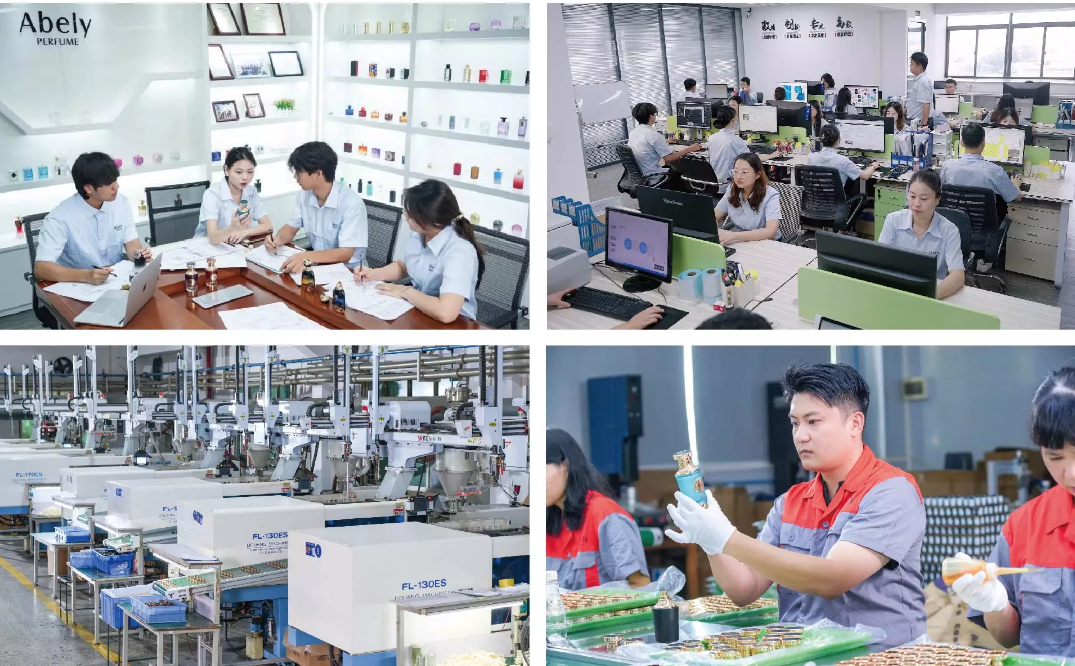
Compare options like you’d A/B test a UI: run prototypes, measure perception, and optimize for the metrics above. Real-world anchors matter — designers in Grasse still influence aesthetic norms, and manufacturing hubs adjusted to pandemic realities, so factor geographic risk into lead-time math. When you want a partner that understands both custom aesthetics and the practical constraints of production, Abely fits naturally into that workflow as a supplier that balances design fidelity with scalable runs. – quality over hype.
Three golden rules: prioritize total landed cost, validate ergonomics early, and require clear lead-time SLAs from suppliers. Trust the process — test small, scale smart. Authority speaks.
